

- Network architecture is the design of systems and protocols that enable device communication. It ensures efficient, secure, and scalable connectivity
- Key components include devices, links, protocols, routers, switches, and security measures, each playing a role in reliable communication
In today’s digital age, the need for efficient and reliable network communication is more important than ever. Whether you’re a business owner, an IT professional, or just someone interested in technology, understanding network architecture is essential. This blog post will break down the basics of network architecture, its key components, and why it plays such a vital role in modern networking.
Also read: 5 key components of cloud architecture
Also read: What is a ring network topology?
What is network architecture?
Network architecture is the design and structure of a network, including hardware and software components for data flow. It involves setting up components like routers, switches, and servers to enable smooth communication. Like building architecture connects rooms and floors, network architecture links devices and systems.
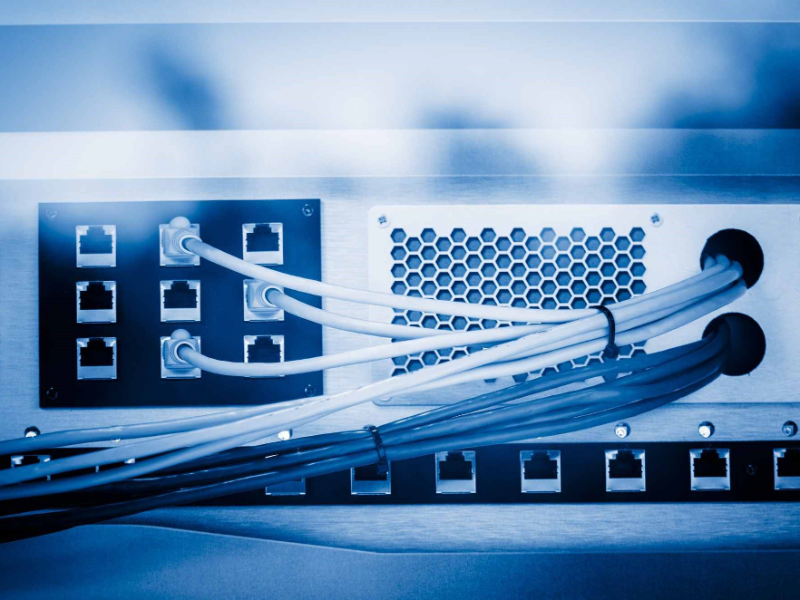
- Devices: The devices connected to the network, such as computers, printers, servers, and smartphones, are the building blocks of any network. These devices rely on the network to communicate and share information.
- Network Links: Network links are the physical connections that connect devices to one another. These can include cables, fiber-optic connections, wireless signals, and more. The strength and speed of these links play a huge role in determining how well the network performs.
- Protocols: Protocols are the rules that govern how data is transmitted across the network. Common protocols include TCP/IP (Transmission Control Protocol/Internet Protocol), which ensures that data is sent and received accurately across different types of networks.
- Routers and Switches: Routers are devices that forward data between different networks, while switches connect devices within a single network. Both are critical in ensuring that data travels efficiently from source to destination.
- Firewalls and Security Devices: Security is a major concern in network architecture, and firewalls and other security devices help protect the network from unauthorized access and cyber threats. They monitor and filter incoming and outgoing network traffic to safeguard sensitive data.
- Servers: Servers are powerful computers that store and manage resources such as files, applications, and databases. They provide services to devices and users within the network and are crucial for centralized management.
Types of network architecture
There are various types of network architectures, each designed to meet specific needs. Some of the most common types include:
- Client-Server Architecture: In this model, devices (clients) request services from a central server. This type of architecture is typically used in businesses where a centralized server stores data and applications for clients to access.
- Peer-to-Peer Architecture: In a peer-to-peer (P2P) network, all devices act as equals, sharing resources and data directly with one another without a central server. This is commonly used in home networks or small offices.
- Cloud Network Architecture: With the rise of cloud computing, cloud network architecture has become increasingly popular. It allows businesses and individuals to store and access data on remote servers over the internet, offering flexibility and scalability.

Why is network architecture important?
- Efficiency: A well-designed network architecture ensures that data is transmitted efficiently between devices, minimizing delays and optimizing performance.
- Scalability: As businesses grow, their network needs evolve. A flexible network architecture allows for easy expansion, whether it’s adding more devices, increasing bandwidth, or incorporating new technologies like cloud computing or IoT.
- Security: Security is a top priority in any network. A robust network architecture can incorporate security measures like firewalls, encryption, and access control to protect sensitive data from cyber threats.
- Reliability: A good network architecture ensures that the network remains up and running even in the event of hardware failure or unexpected traffic spikes. Redundancy and backup systems are often included to maintain uptime.
- Cost-Effectiveness: Effective network design can reduce operational costs by minimizing the need for additional hardware or IT support. It also allows businesses to better manage their resources and bandwidth.