
- A cyberattack on Tata Electronics exposed confidential Apple supplier information as India investigates the breach
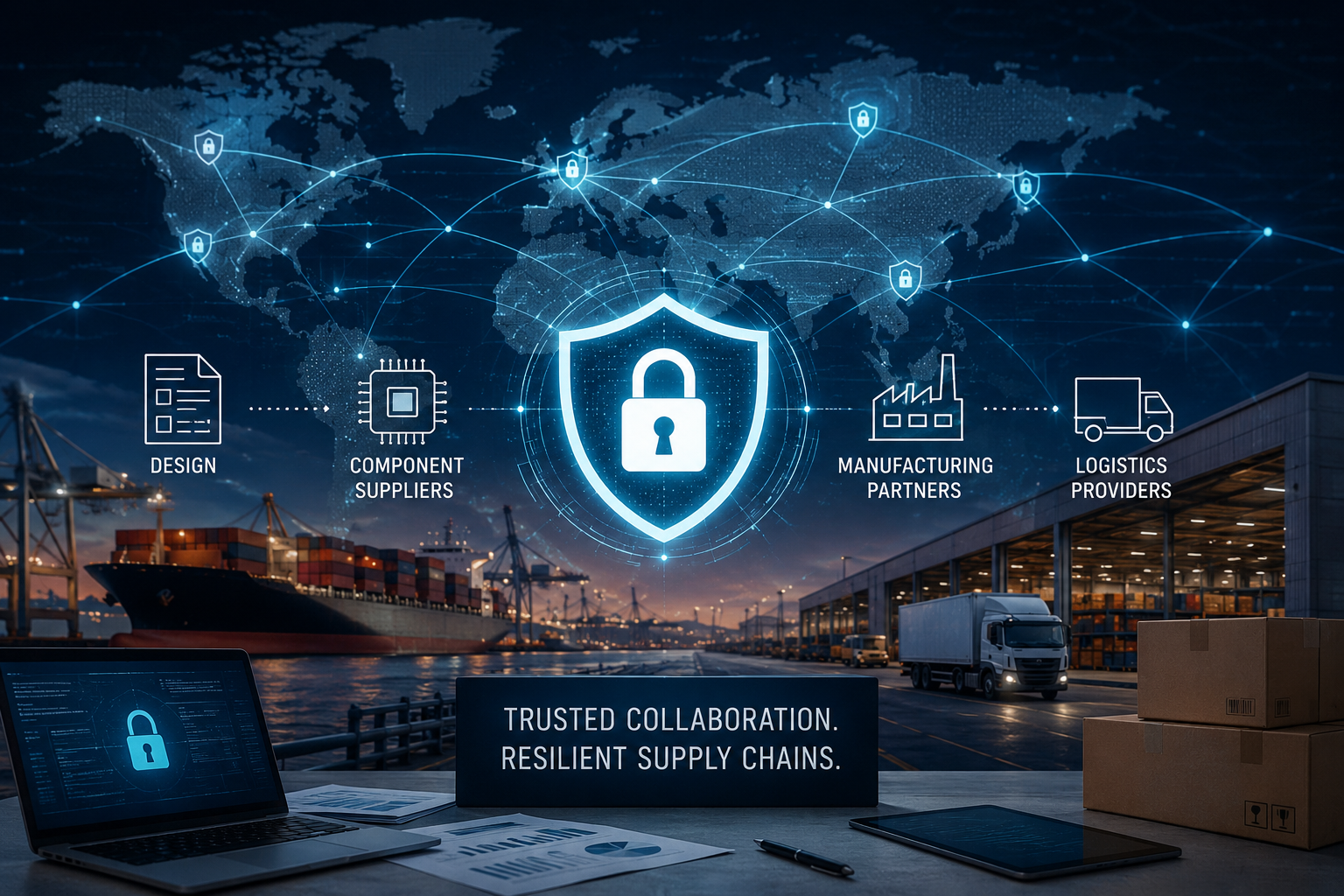
- The incident shows supply chain security is becoming a strategic requirement as global technology manufacturing grows more distributed
The fact
India's government is investigating a cyberattack on Tata Electronics after confidential Apple documents were leaked online following a ransomware attack. The exposed files reportedly included supplier information, component details and engineering documents relating to Apple's unreleased iPhone 18 Pro. India's Computer Emergency Response Team (CERT-In) has opened an investigation, while Tata launched a forensic audit and strengthened internal security measures.
The breach comes as Tata assumes a larger role in Apple's global manufacturing strategy. India is expected to produce around 26% of the world's iPhones in 2026, compared with about 6% four years ago, reflecting Apple's continued effort to diversify production beyond China. Tata now manufactures and assembles a significant share of Apple's Indian iPhone output.
The incident also reflects a broader rise in cyberattacks targeting industrial supply chains, where confidential engineering data, supplier relationships and production information have become valuable targets alongside customer data.
The Assessment
Modern electronics manufacturing depends on thousands of suppliers sharing confidential engineering, production, and procurement data across multiple countries. As production networks become more distributed, protecting that information is becoming a strategic requirement rather than simply a cybersecurity objective.
The Tata breach shows that industrial cyberattacks increasingly expose how products are designed, sourced and manufactured rather than just stealing intellectual property. Supplier relationships and production workflows reveal competitive dependencies that companies have traditionally treated as confidential. As manufacturing ecosystems expand, safeguarding these operational relationships is becoming an essential part of supply chain resilience.
For BTW readers, supply chain security is evolving into a competitive capability rather than a standalone IT function. Companies that secure supplier collaboration and protect confidential production data will be better positioned to support increasingly distributed manufacturing networks. As global production becomes more interconnected, the ability to collaborate securely across trusted partners is becoming as important as manufacturing capacity itself.
What to watch
Watch for the findings of India's investigation and Tata's forensic audit, which will indicate whether the breach exposed broader weaknesses in manufacturing cybersecurity. Also monitor whether global technology companies introduce stricter cybersecurity requirements for suppliers as distributed production networks continue to expand.