Summary
- RFC 2476, December 1998, records the change in what SMTP was being asked to do: "SMTP was defined as a message transfer protocol", and transfer agents "are not supposed to alter the message text, except to add 'Received', 'Return-Path', and other header fields" — yet SMTP was "now also widely used as a message submission protocol" by mail clients.
- The memo reserved port 587 for submissions and made the accepting server, called a submission agent, finish what the client could not: ensure every domain is fully qualified, reject rather than guess, accept a null return path, and determine who the sender is. RFC 6409 restates the split in 2011: relay stays on port 25, submission normally on 587.
The rule that made peers leave the text alone
The interesting thing about RFC 2476 is how much of it is a description of what a mail server must not do. The original division of labour made the network's relays careful: they route and deliver finished messages, add the trace headers, and otherwise keep their hands off the text.
That rule has a reason, and the memo states it: a message passing several administrative domains should look the same at the end as it did at the start, apart from the trace. If every relay felt free to tidy a missing date or a half-qualified domain, the finished message would be a composite of everyone's local conventions, and nobody could say which server made a given change.
Then people started dialling in
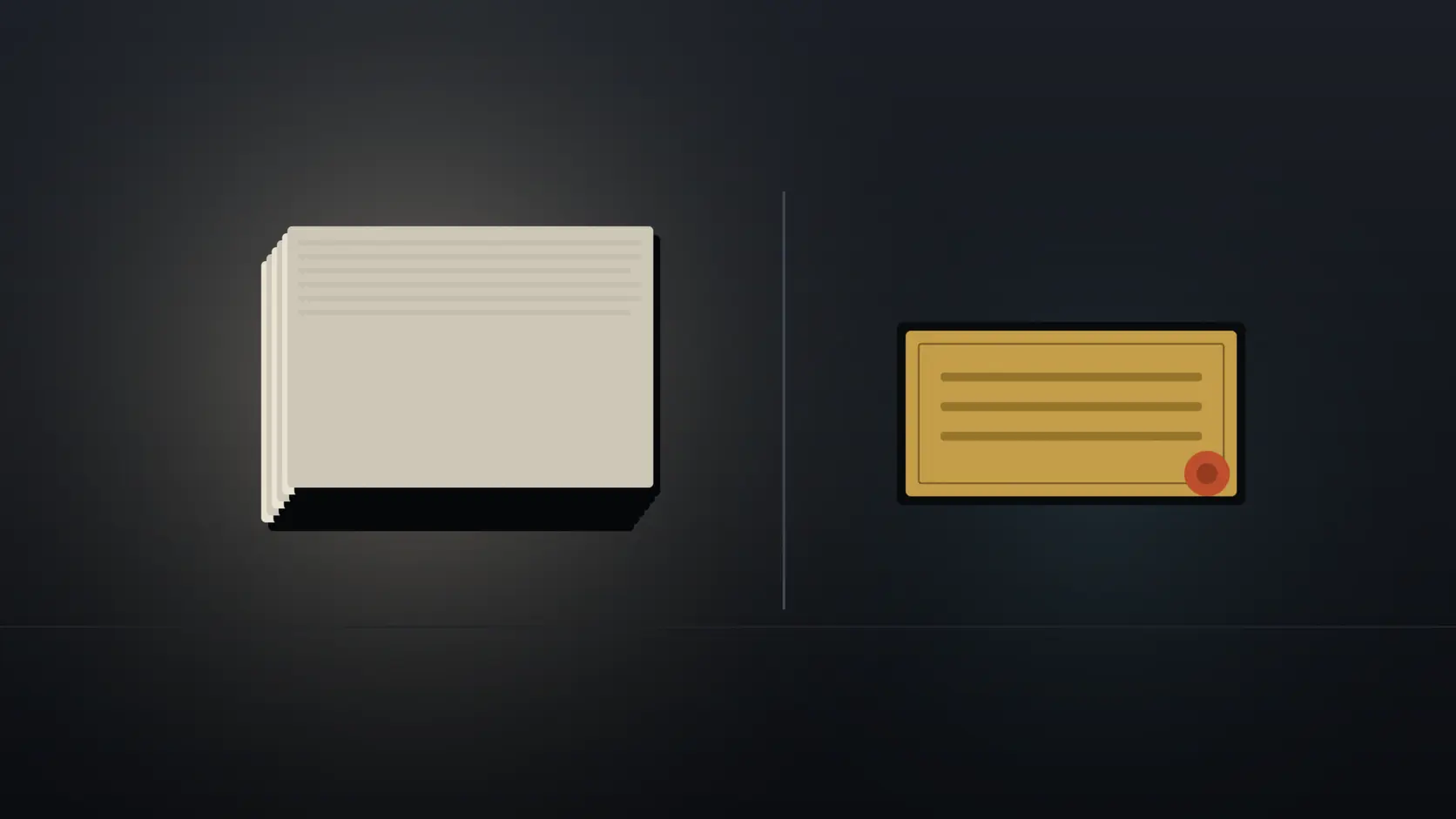
By the late 1990s, SMTP was no longer only how servers talked to servers. It was also how a mail client handed a new message to its own provider. The memo's account of the traffic is blunt: submitted messages are "in some cases finished ... and in other cases ... unfinished", the message "may lack a proper 'Date' header field, and domains might not be fully qualified", and "the MUA may be unable to generate finished messages (for example, it might not know its time zone)".
So the first server had a job it had never been given: make the message fit to travel. And it had to do that job itself, because the memo records that such completions or modifications "have been shown to cause harm" when performed by downstream MTAs — that is, by any server after the first hop — and are "in general considered to be outside the province of standardized MTA functionality".
The fix was a port and a title. Port 587 is "reserved for email message submission"; anything arriving there "is defined to be" a submission; the accepting process is a Message Submission Agent, and it must do what a relay must not: qualify every domain in the envelope, and, if it touches the text at all, qualify the address headers too. Local habits that accept a bare single-level domain should reject an incomplete multi-level one rather than expand it, "since such expansion is particularly risky".
Rejection becomes a feature
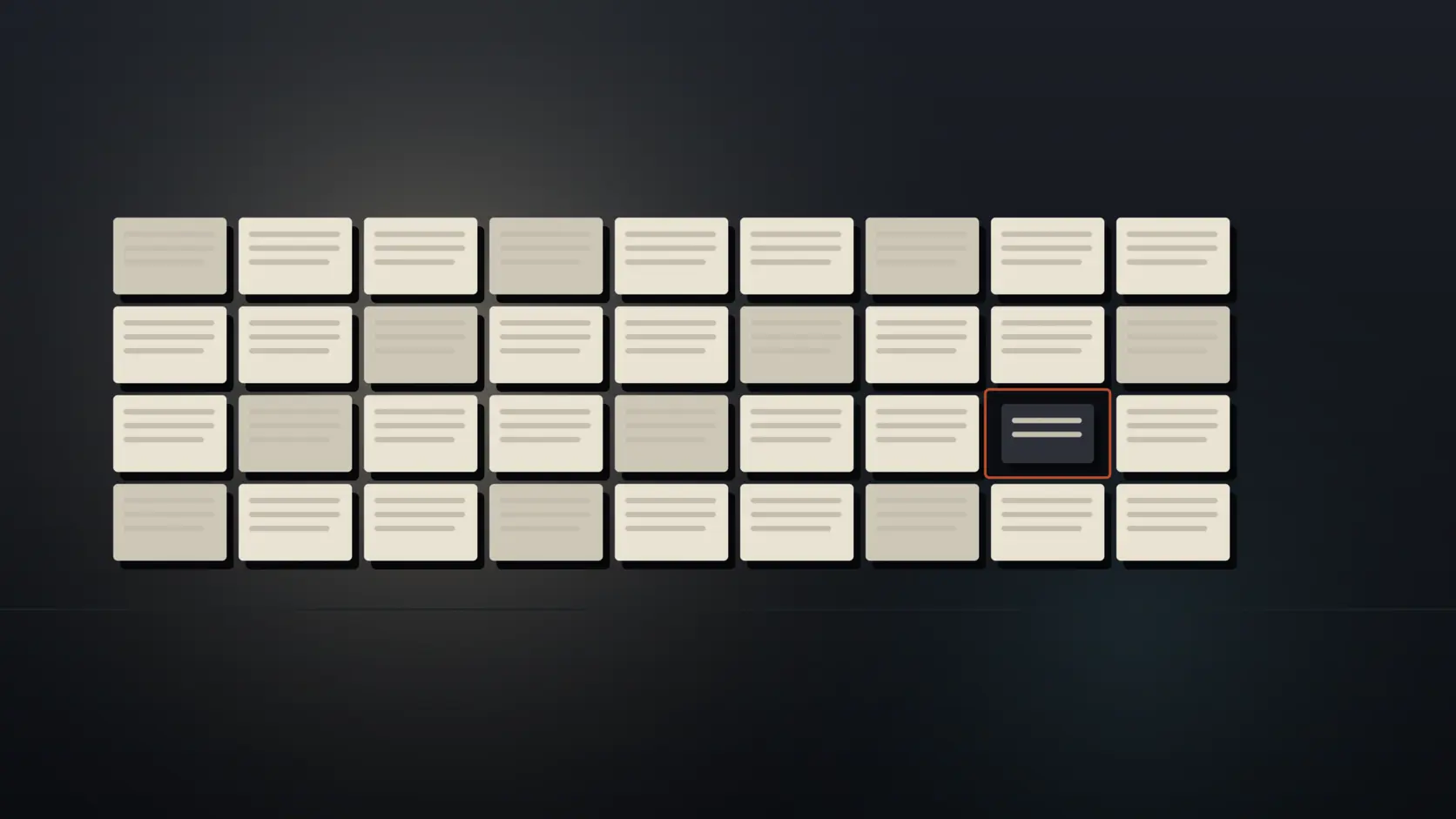
Section 3.2 contains the most practical sentence in the memo. Because the sender is a person with a screen in front of them, an immediate rejection "gives the user and MUA direct feedback", and the memo prefers it. The alternative — accept now, bounce later — pushes work onto the client, which then "must maintain a queue of messages it has submitted, and match bounces to them".
That is a design statement about where an error should appear. On the transfer path an error can only be reported to another server, so the network grew bounces, delay queues and retry timers. On the submission path a server can simply say no to the person who typed the address, and the memo tells it to say no while the person is still looking.
One instruction cuts the other way. A null return path, MAIL FROM:<>, "is permitted and MUST be accepted", because clients need to send messages that should never produce a bounce — delivery notifications among them. The submission door rejects on suspicion and accepts on request at the same time.
The door needed a name on it
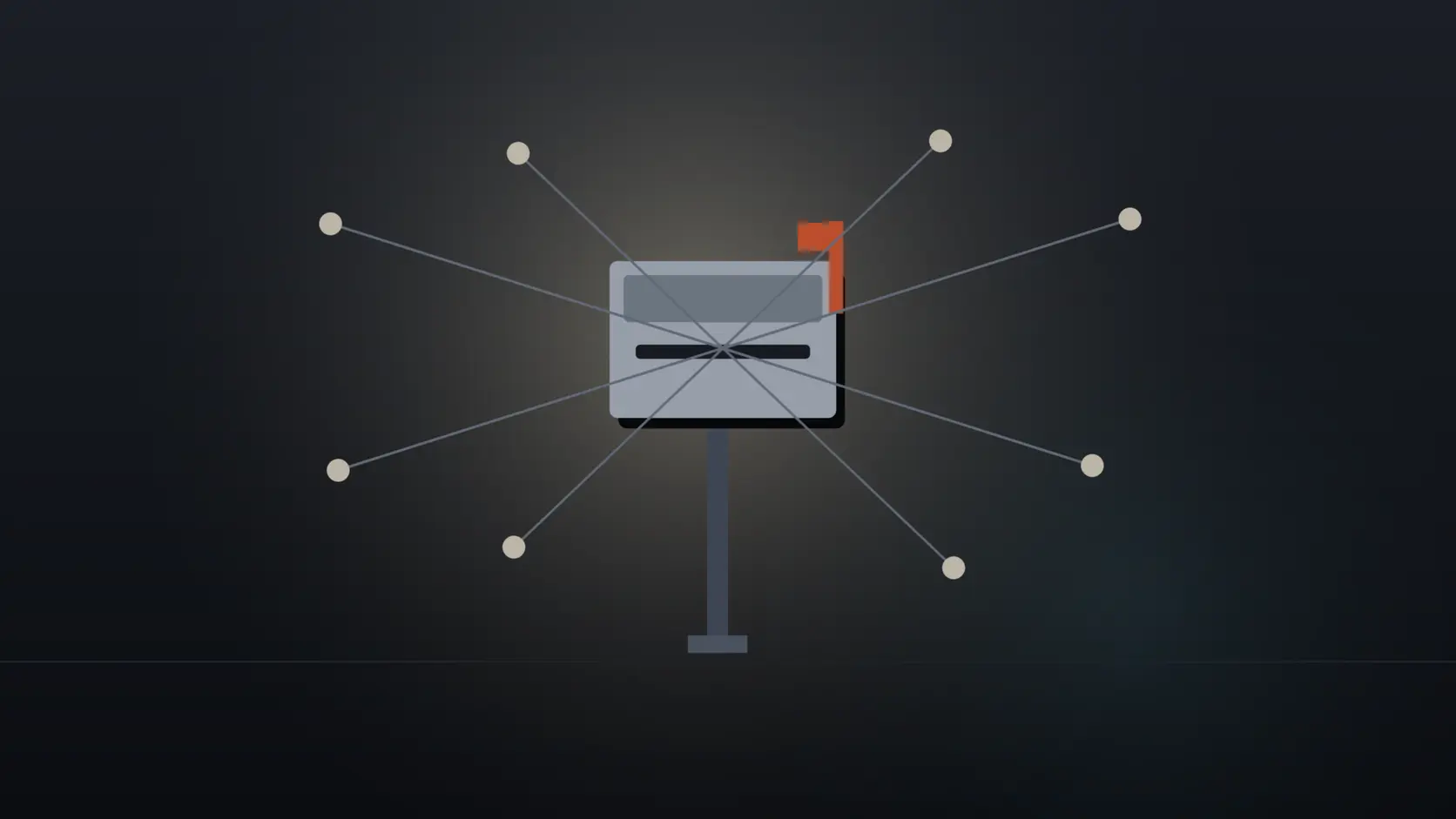
A peer-to-peer protocol did not need to know who was speaking; the network had reached it from somewhere, and the envelope did the rest. A door for people needs to know, because anyone can find it. Section 3.3 lists what sites were doing in 1998 and rates each one.
Authenticated SMTP "has been proposed" — four months later RFC 2554 published it, with an AUTH command, a SASL mechanism name, a 235 for success and a 535 for refusal, and an AUTH parameter on MAIL FROM. IP address restrictions are "very widely implemented, but do not allow for travellers and similar situations, and can be spoofed". Secure IP works and adds protection against eavesdropping. Requiring a POP login from the same address within, say, twenty minutes was also used, at the cost of coordinating two servers and of "a window during which an unauthorized user can submit messages and appear to be a prior authorized user".
That list is the modern mail-security argument, written before the argument happened. The complaint about travellers is why authenticated submission mattered; the complaint about spoofable addresses is why the address alone was never enough; and the window left by POP-before-SMTP is the same gap that later work on submission credentials went after.
A second door, and the same protocol behind it
RFC 6409, from 2011, keeps the arrangement and states it plainly: message relay "is unaffected, and continues to use SMTP over port 25", while submission "uses the protocol specified here, normally over port 587". The separation exists so each service can operate under its own rules for security and policy.
Nothing in the protocol changed to make that possible. The commands are the same ESMTP commands; the difference is which door they arrived at. A port number became the warrant for a stricter set of duties: finish the message, qualify the names, verify the sender, and say no while the person is still watching.
That is a strange kind of authority, and a useful one to notice. The internet's mail system never wrote a different protocol for humans. It wrote a different entrance, and reassigned the responsibilities at the threshold.
Member Briefing
Read the full trend briefing
Members read the full briefing with the source notes behind every finding.
Strategic Circle
A daily briefing in your language, built from changes we have verified.
Join for USD 20/monthCancel anytime.
Members also get the full research library, a daily briefing on the networks they follow and the private forum.