- Philippine National Bank (PNB) ranked first in the Philippines on Forbes’ World’s Best Banks 2024 list, up from second place a year earlier.
- PNB President Florido P. Casuela tied the result to the bank’s mission of promoting financial prosperity for Filipinos and their businesses at home and abroad.
- The ranking landed alongside a record Php18.0 billion net income in 2023, up 55% year on year, with return on equity rising to 10% from 7%.
Forbes’ World’s Best Banks 2024 ranking is a customer-trust survey, not a credit rating—but PNB’s No. 1 finish in the Philippines carries more weight because it arrives next to a 55% jump in net income. The Philippine National Bank moved up from second place, topping a Forbes list built on feedback from more than 49,000 banking customers across 33 countries.
PNB’s Forbes No. 1: customer trust with a profit kicker
PNB President Florido P. Casuela did not treat the result as a plaque for the lobby. He framed it as proof of direction: “This time around, we rose to become number one. It is a great honour for PNB to be recognised by Forbes as the best bank in the Philippines. We are truly grateful for the continued trust and confidence of our customers. This recognition validates that we are on track in pursuing our vision of being among the top banks in terms of customer growth and satisfaction. We have made it our mission to promote financial prosperity for all Filipinos and their businesses – locally and internationally – and to empower them to help build a competitive, inclusive, and sustainable economy.”
The survey, run with market research firm Statista, covered 403 top-performing banks and was conducted in 17 languages. Customers scored banks on trustworthiness, terms and conditions including fees and rates, customer service such as wait times and helpfulness, digital services such as website and app ease, and quality of financial advice. Forbes detailed the results in its article, “Meet the World’s Best Banks 2024”.
What the Forbes ranking actually measures—and what it doesn’t
This is a reputational asset, not a capital buffer. It does not pay a liquidity bill or underwrite a loan. But in retail banking, reputation is a customer-acquisition channel that does not require a branch lease—and that is why a No. 1 ranking can matter more than its trophy-shop optics suggest.
Forbes highlighted a broader shift in customer behaviour: “consumer expectations of banking have evolved from ‘do it for me’ to ‘do it with me’.” PNB has leaned into that language with its rebranding campaign, “Every Step Together,” which positions the bank around supporting customers through life stages wherever they are in the world.
We have made it our mission to promote financial prosperity for all Filipinos and their businesses – locally and internationally – and to empower them to help build a competitive, inclusive, and sustainable economy.
Florido P. Casuela, PNB President
PNB’s 2023 numbers: the balance sheet behind the trophy
The financial backdrop is stronger than the average award-cycle press release. PNB reported consolidated net income of Php18.0 billion for 2023, a 55% increase from the previous year. Net core banking income, excluding gains from the sale of acquired properties, surged 156% year on year. Return on equity improved to 10% from 7%.
That is the part investors will read twice. A trust survey can lift a brand; a 156% surge in core banking income and a 300-basis-point improvement in ROE are harder to Photoshop. The Forbes ranking gives PNB a global marketing hook, but the operating story is the one that gives the hook something to hang on.
Why the ranking matters for PNB’s next leg
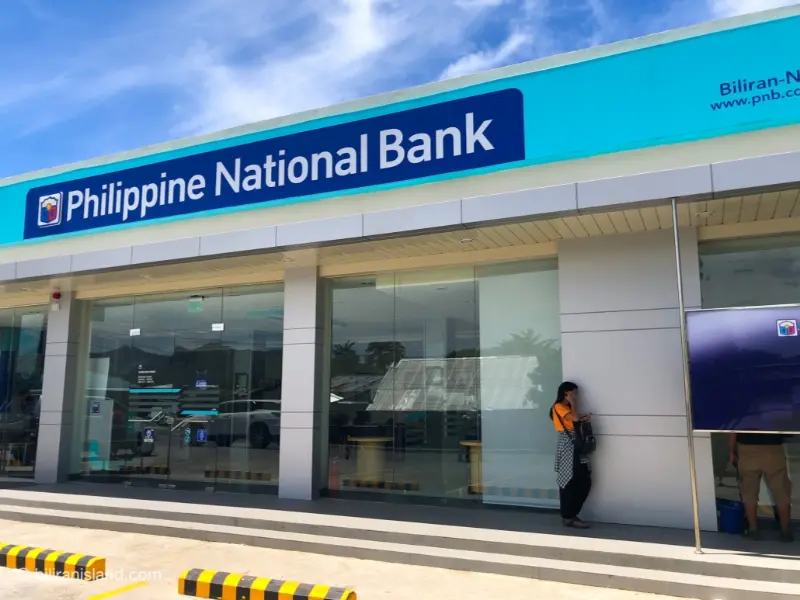
PNB is one of the oldest and largest banks in the Philippines, established in 1916, with a long history of serving millions of Filipinos locally and internationally. The Forbes accolade gives it a fresh global calling card. The strategic question is whether PNB can convert that trust into lower acquisition costs, deeper wallet share, and durable fee income—rather than a one-quarter spike in goodwill.
The bank’s rebranding and digital-service scores will be tested where every bank is tested: at the counter, on the phone, and inside the app. Forbes’ survey says customers want a partner, not a counter clerk. PNB’s next set of numbers will say whether the slogan became an operating model.
For PNB, the Forbes No. 1 is a useful lagging indicator: it confirms trust earned in the past. The next test is whether the 55% profit jump and the “Every Step Together” rebrand turn that trust into repeatable, low-cost growth. Trophies are nice. Retention is better.
About Philippine National Bank
The Philippine National Bank (PNB) is one of the oldest and largest banks in the Philippines, known for a broad range of financial services and a strong customer-satisfaction focus. Established in 1916, PNB has built a long record of innovation and resilience, serving millions of Filipinos both locally and internationally. With a vision built around financial prosperity and inclusivity, PNB continues to compete through financial performance, digital solutions, and customer support across every stage of the financial journey.