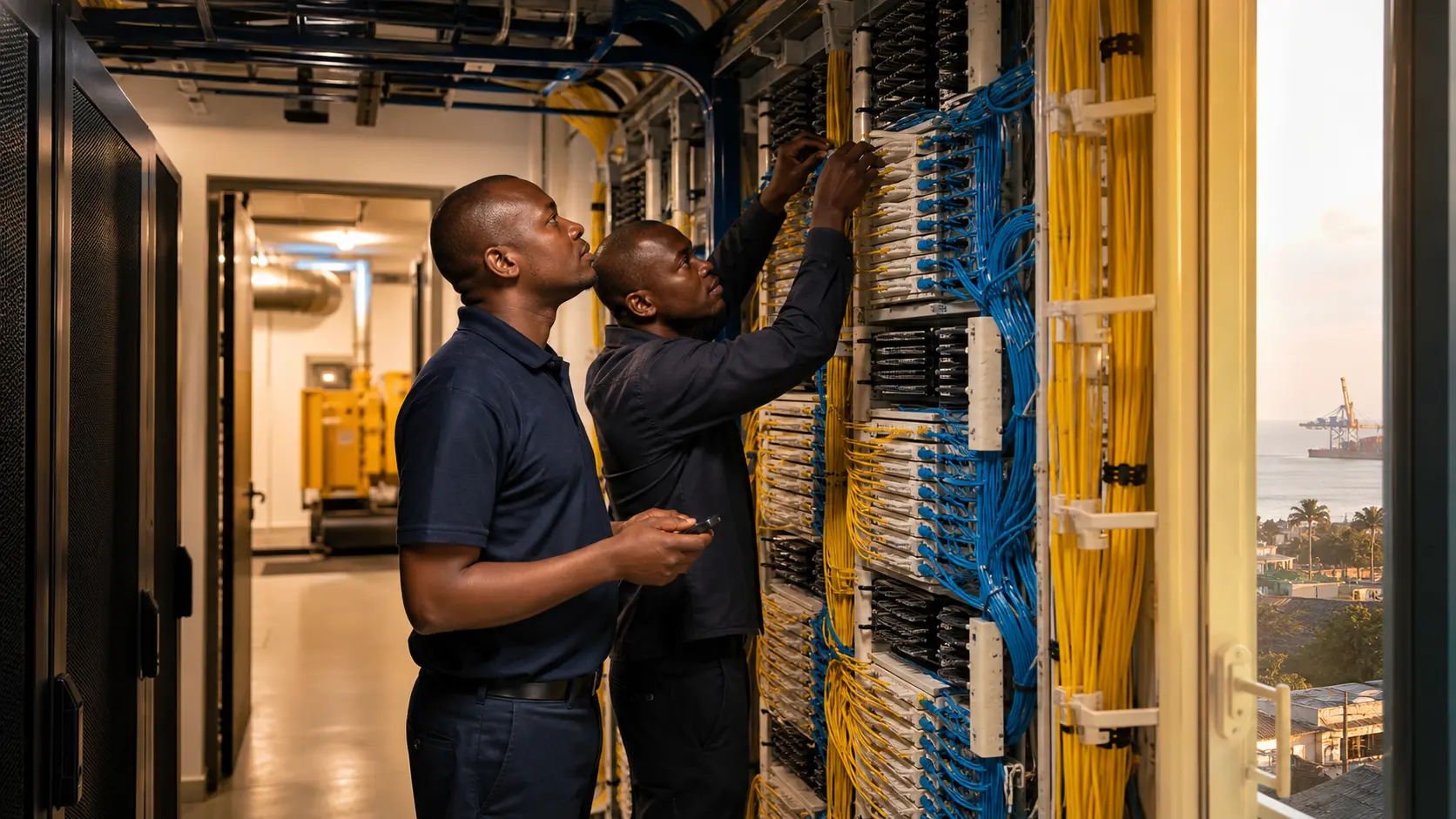
- Panduit is a global leader in network and electrical infrastructure, offering high-performance cabling, power, and data centre solutions.
- The company supports innovation and sustainability with smart energy systems, offshore wind technology, and workforce development in APAC.
Panduit: Global leader in infrastructure solutions
Panduit, founded in 1955 and based in Illinois, is a high-capacity developer of electrical, network connectivity, AV, and data center infrastructure solutions. Privately held, it serves over 90% of Fortune 100 companies, with more than 5,000 employees and over US$1 billion in annual revenue.
Also read: Telstra and Nokia partner to open network APIs for developers
Also read: Paratus, PowerTel launch $570M fibre network in Zimbabwe
Panduit: Comprehensive infrastructure portfolio
The company offers unified physical infrastructure solutions that span data centres, enterprise networks, industrial wiring, audio-visual systems, renewable energy, and electrical safety. Its flagship offerings include high-density fibre and copper cabling (e.g. QuickNet and HD Flex), wire basket cable trays, UPS systems, intelligent PDUs, and DCIM platforms.
Panduit: Innovation for data centres and edge deployments
Panduit continues to push infrastructure design boundaries. Their next-generation wire basket cabling simplifies installations and boosts reliability through improved strength-to-weight ratios. Their QuickNet pre-terminated copper and HD-Flex fibre systems accelerate deployment and ensure high-density performance.
Panduit: Sustainability and smart energy initiatives
The company recently acquired subsea cable protection technology from DongWon EN-Tec®, enhancing offerings for offshore wind and subsea energy markets in the Asia-Pacific region. It also collaborates with Cisco to advance data centre sustainability and renewable infrastructure adoption.
Panduit: Commitment to skills and community
Panduit invests in skills development through its #SkillsChangeLives campaign. It partners with vocational schools and technical institutes—especially in APAC—to equip students with hands-on training in network infrastructure and cabling technologies.