OpenAI improves AI safety through U.S.
- OpenAI CEO Sam Altman has announced that the company is working with the AI Safety Institute to give the organisation early access to its next major generative AI model for security testing.
- OpenAI has committed to eliminating restrictive non-disparagement clauses, creating a safety committee, and dedicating 20% of its computing resources to safety research.
OUR TAKE
OpenAI has agreed to let the US AI Safety Institute kick the tires on its next frontier model before the rest of us get the keys. Pair that with a standing safety committee, the quiet death of its non-disparagement clauses, and a pledge to spend a fifth of its compute on safety research, and you have the most concrete safety package the company has ever signed in public. It is also, conveniently, the sharpest lobbying strategy in Washington: write the rules by volunteering to be measured against them.
-Rae Li, BTW reporter
What OpenAI actually agreed to
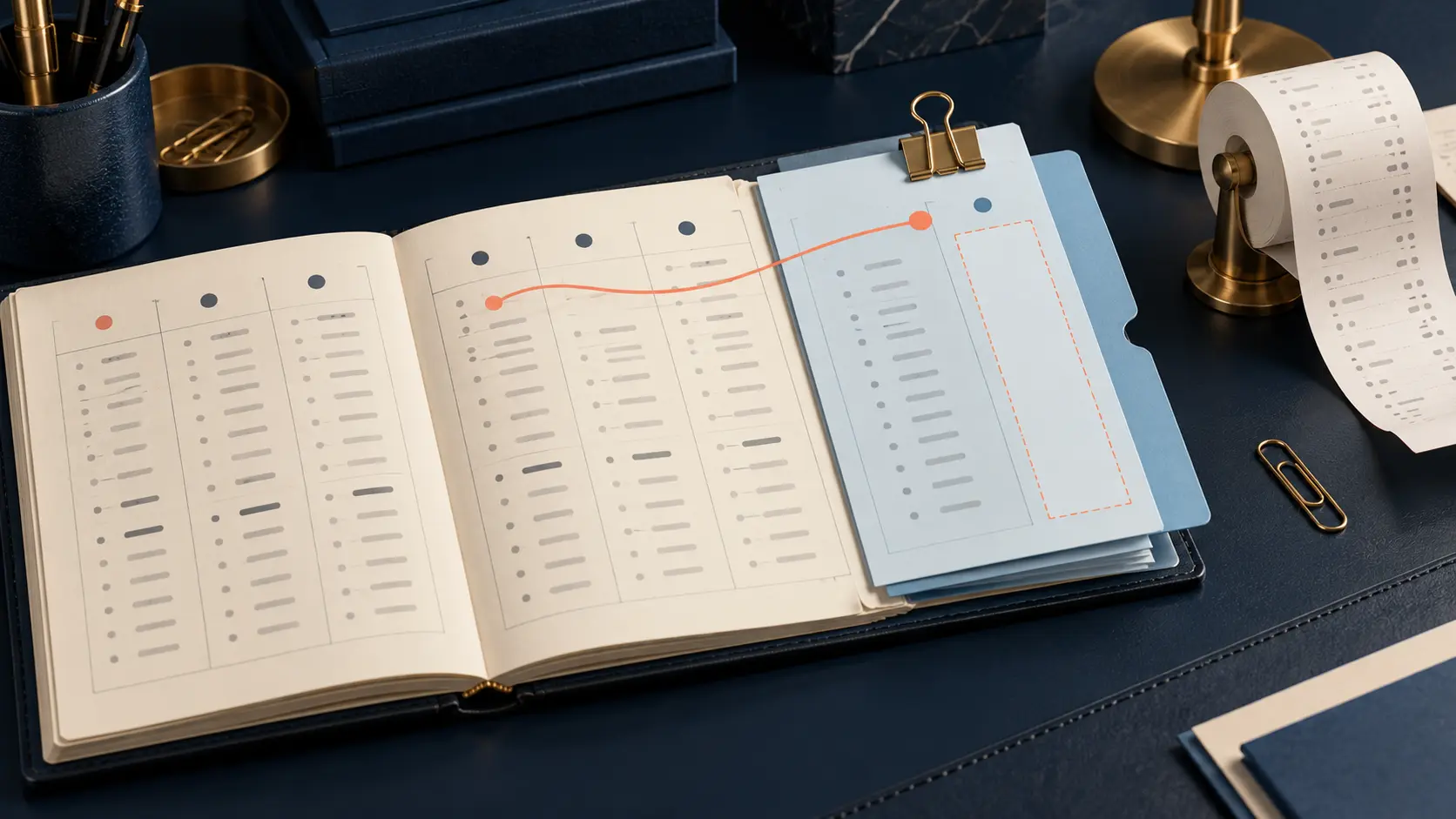
Sam Altman, OpenAI's CEO, says the company is working with the AI Safety Institute — the NIST-housed body built to test frontier models — to hand over early access to its next major generative model for deep security testing. Read that plainly: the government's testers get the model before the customers do. For a company that spent two years being told it was sprinting toward capability while dragging safety behind it, letting an outside referee into the room first is a different kind of announcement.
The access deal does not travel alone. OpenAI has committed to scrapping its restrictive non-disparagement clauses, standing up a dedicated safety committee, and routing 20% of its computing resources into safety research. Meanwhile Jason Kwon, OpenAI's chief strategy officer, answered the five senators' questions on company policy, walking them through the security protocols applied at every stage of development — the written form of "we take this seriously," except this time with a signature attached.
Why the 20% compute number is the real story
Compute is the only currency an AI lab genuinely spends. Headcount is a rounding error; press releases are free. When a lab carves out a fifth of its silicon for safety work, it has converted a value statement into a budget line — and budget lines can be audited, compared year over year, and held against the next model launch. That is the difference between a safety culture and a safety slide.
Also read: Coinbase adds three board members, including OpenAI executive
Also read: OpenAI's SearchGPT: Challenging Google's search dominance
Why it matters: pre-deployment testing becomes the industry norm
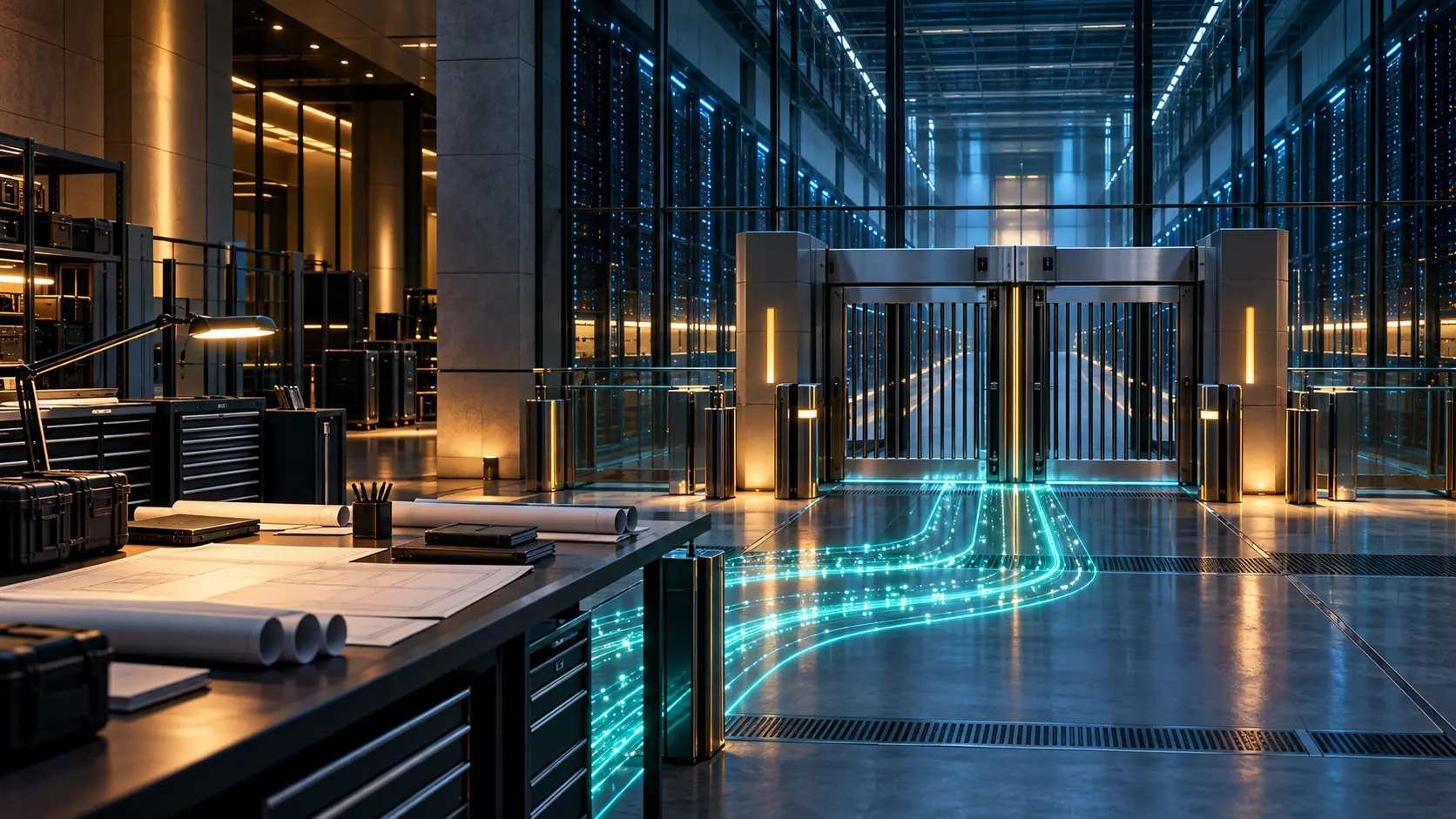
An outside body stress-testing a model before release is worth more than any internal safety deck, because it produces something a lab cannot quietly edit: a second opinion with a timestamp. If the AI Safety Institute becomes the default checkpoint for frontier models, safety stops being a marketing differentiator and becomes a gate — and every lab that wants to ship at the frontier will have to budget for the queue.
There is a second, less romantic engine under the hood. OpenAI's federal lobbying spend climbed sharply this year, and a company that volunteers for testing is a company with a seat at the table where the testing rules get written. Altman is not merely submitting to scrutiny; he is helping define what scrutiny looks like, which is a far better position than having it defined for him by five senators with questions.
Voluntary commitments are cheap right up until the moment they are audited. The measure of OpenAI's safety era will not be the announcement that launched it, or the committee that governs it, or the percentage printed in the deck. It will be the day the AI Safety Institute finds something uncomfortable — and OpenAI publishes the finding anyway.
Member Briefing
Read the full trend briefing
Members read the full briefing with the source notes behind every finding.
Strategic Circle
A daily briefing in your language, built from changes we have verified.
Join for USD 20/monthCancel anytime.
Members also get the full research library, a daily briefing on the networks they follow and the private forum.