
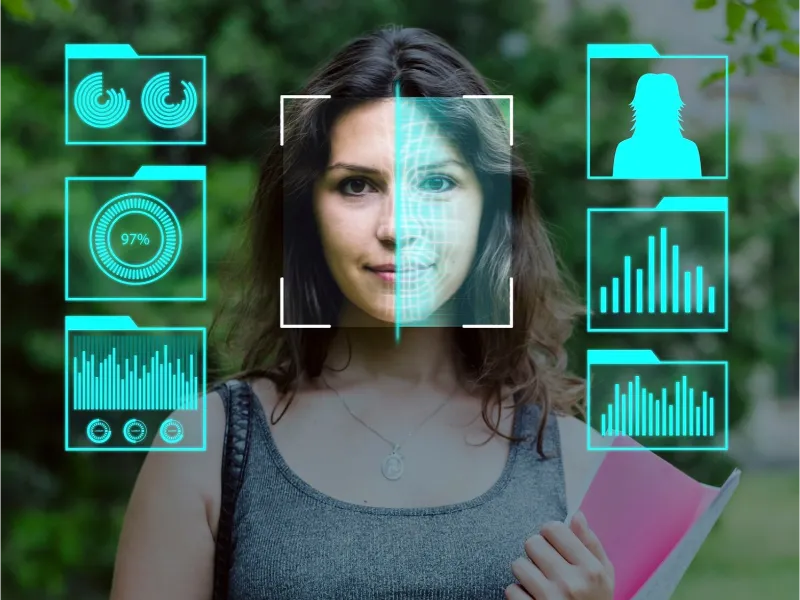
- OpenAI is launching a tool capable of identifying images created by its DALL-E 3 text-to-image generator, with internal testing showing a 98% accuracy rate even with common alterations like compression or cropping.
- In addition to image detection, OpenAI plans to implement tamper-resistant watermarking to embed signals into digital content, making it harder to manipulate or remove.
- OpenAI is collaborating with Microsoft, Google, and Adobe to establish standards for tracing the origins of AI-generated media, aiming to address concerns about AI’s impact on global elections.
OpenAI is developing a tool to detect images generated by AI, addressing concerns about the impact of AI-generated content on global elections this year.
The new tool can identify images created by DALL-E3
OpenAI is set to launch a tool capable of identifying images produced by its text-to-image generator, DALL-E 3. The startup, backed by Microsoft, announced this development on Tuesday. Internal testing indicates that the tool accurately recognises DALL-E 3-generated images around 98% of the time, even accommodating common alterations like compression, cropping, and saturation adjustments with minimal impact.
Also read: Opera’s AI assistant can now summarise web pages on Android
In addition to image detection, OpenAI intends to implement tamper-resistant watermarking. This feature will embed a signal into digital content such as photos or audio, making it challenging to remove. As part of these initiatives, OpenAI has joined forces with an industry group comprising Google, Microsoft and Adobe who aim to establish a standard for tracing the origins of various media types.
Also read: Who is Fei Fei Li? AI pioneer just started a ‘spatial intelligence’ startup
AI-generated contents have potential impact on global elections
Concerns are mounting over the impact of AI-generated content on this year’s global elections, spurred by recent incidents. In April, amid India’s ongoing general election, fake videos featuring two Bollywood actors criticising Prime Minister Narendra Modi went viral online. The proliferation of AI-generated content and deepfakes is becoming more prevalent not only in India but also in elections worldwide, including the United States, Pakistan, and Indonesia.
To address these challenges, OpenAI announced its collaboration with Microsoft in launching a $2 million “societal resilience” fund aimed at supporting AI education initiatives.