
Institution Profiling / Internet infrastructure institution

Old rules, new world: ICP-2 criteria for new RIR

Old rules, new world: ICP-2 criteria for new RIR is tracked as a internet infrastructure institution within the internet infrastructure ecosystem.

Old rules, new world: ICP-2 criteria for new RIR
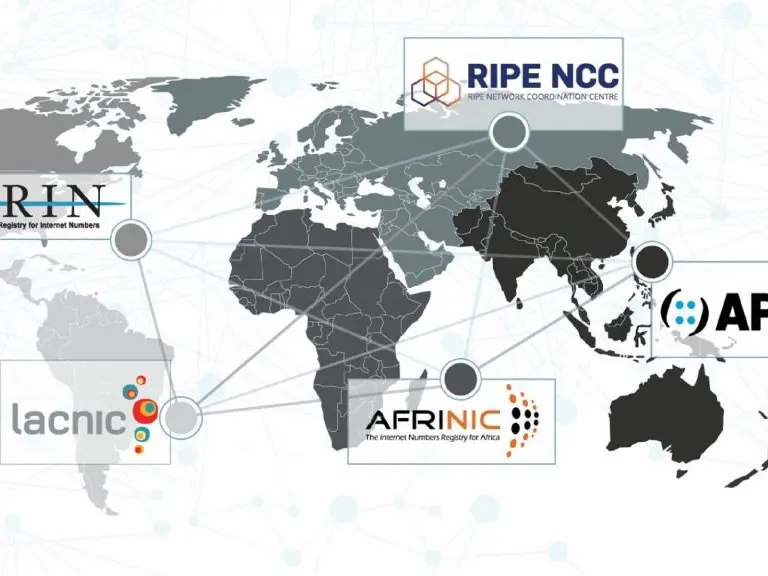
Caption: Old rules, new world: ICP-2 criteria for new RIR visual context for BTW intelligence coverage. · Source context: Existing article media was retained or restored as the subject-specific visual basis. · Relevance reason: Old rules, new world: ICP-2 criteria for new RIR is the primary subject or event subject; the image supports the article's governance reading. · Image provenance: Existing curated article image retained because it is subject- or event-specific and not a generic pool placeholder.

Sources

Public references used for this article.

CategoryInstitution

Old rules, new world: ICP-2 criteria for new RIR is tracked as a internet infrastructure institution within the internet infrastructure ecosystem.

RegionAfrica

Old rules, new world: ICP-2 criteria for new RIR has public-source relevance to network operations, governance, dependency mapping, or market structure.

Signal FocusInternet infrastructure institution

Old rules, new world: ICP-2 criteria for new RIR has public-source relevance to network operations, governance, dependency mapping, or market structure.

Content TypeProfile

Old rules, new world: ICP-2 criteria for new RIR is tracked as a internet infrastructure institution within the internet infrastructure ecosystem.

Primary DomainGovernance

Public-source signals support medium-impact monitoring for infrastructure visibility and dependency analysis.

TopicInternet infrastructure institution

Old rules, new world: ICP-2 criteria for new RIR is profiled by BTW Media because published evidence links it to internet infrastructure, governance, operational dependencies, or market visibility.

ImpactMedium

Public-source signals support medium-impact monitoring for infrastructure visibility and dependency analysis.

Confidence?Confidence Grade
0.90–1.00AHigh — direct sources
0.75–0.89A/BStrong
0.55–0.74B/CMedium
0.35–0.54C/DWeak–medium
0.10–0.34DWeak signal
0.00–0.09DInternal monitoring
Limited confidence (80%)

Several public sources

Old rules, new world: ICP-2 criteria for new RIR is profiled by BTW Media because published evidence links it to internet infrastructure, governance, operational dependencies, or market visibility.

  • ICANN’s ICP-2 policy enforces ten strict requirements for any new Regional Internet Registry
  • Concerns remain about whether these criteria adapt well to emerging regions and evolving internet models

ICANN’s criteria for new RIRs

In a document titled ICP-2: Criteria for Establishment of New Regional Internet Registries, the Internet Corporation for Assigned Names and Numbers (ICANN) outlines ten foundational requirements that any aspiring Regional Internet Registry (RIR) must meet in order to gain official recognition.

First adopted by the ICANN Board in 2001 following consultation with the Address Supporting Organisation (ASO), the policy sets out extensive standards covering geographical scope, community support, governance structure, neutrality, technical capability, and funding.

Among the key principles: a new RIR must cover a region of roughly continental size; demonstrate broad support from Internet Service Providers (ISPs) and Local Internet Registries (LIRs); have transparent policy-making processes; and show readiness for long-term financial independence. It must also adhere to globally accepted principles for IP address conservation and aggregation, and maintain English-language records to ensure audibility across the global registry system.The framework was developed jointly by RIPE NCC, ARIN, and APNIC — the original RIRs — and was intended to support fair, decentralised IP resource management.

Also read: RIPE 90 closes with calls for ICP-2 update improvements and number portability
Also read:
LACNIC proposes update to ICP-2 principles for RIR governance

Why it’s important

RIRs are critical to the internet’s infrastructure, ensuring IP addresses are allocated fairly and efficiently. With only five RIRs currently managing global resources, new entrants could address regional disparities, as seen with the recognition of LACNIC in 2002 and AFRINIC in 2005. However, the stringent criteria raise questions about accessibility for under-resourced regions. Can smaller economies meet the technical and financial demands, or will these rules entrench existing power imbalances? The proposed derecognition process also sparks debate: while it aims to ensure accountability, could it destabilise regions reliant on a single RIR?

As the internet evolves, balancing global standards with regional autonomy remains contentious. Critics argue ICANN’s framework may prioritise established players, potentially stifling innovation in emerging markets. The ongoing consultation, including a session at ICANN81, will shape these policies, but their long-term impact on digital equity remains uncertain.

At A Glance

  • Name: Old rules, new world: ICP-2 criteria for new RIR
  • Type: Internet infrastructure institution
  • Base: Africa
  • Profile focus: Institution

What It Does

  • Public records support monitoring of its role, services, and key relationships.

Why It Matters

  • Public-source signals support medium-impact monitoring for infrastructure visibility and dependency analysis.
  • Operational criticality: Medium
  • Time horizon: Next quarter

What To Watch

  • Monitoring focuses on verified service continuity, governance changes, and relationship signals.
NowMedium priority

Track verified source updates, role changes, and current public evidence.

QuarterMedium policy sensitivity

Public-source signals support medium-impact monitoring for infrastructure visibility and dependency analysis.

YearNext quarter outlook

Longer-term relevance depends on verified operating, policy, and relationship changes.

Member Briefing

Deeper Profile Context

Login is required to unlock the full profile briefing and source notes.

Only for Strategy Circle

Strategic Circle Access

Open to all readers. Unlock profile briefings after joining and logging in.

Join Strategic Circle

Only for Leadership Alliance

Leadership Alliance Access

For owners and management of IP-holding companies. Login required to unlock.

Join Leadership Alliance
← BackAll Companies