
Intelligence
Latest Articles
Latest intelligence on infrastructure operators, policy decisions, market moves, and digital power shifts.

Story
AFRINIC called the ASN amendment implemented before it became global policy
AFRINIC called the ASN amendment implemented before it became global policy intelligence summary explains the development, the public evidence available to readers, the organisations involved, the regional context, market exposure, and the infrastructure consequences that may…

Story
AFRINIC’s docket shows a live policy challenge—not a court-validated ratification
AFRINIC’s public case list separates three Skyconnect proceedings: a 9 March plaint challenging the Board’s ratification of the inter-RIR transfer policy, an interim-order application marked declined and not served, and an appeal filed on 7 April. All three entries are labelled…
Global Cloud Services
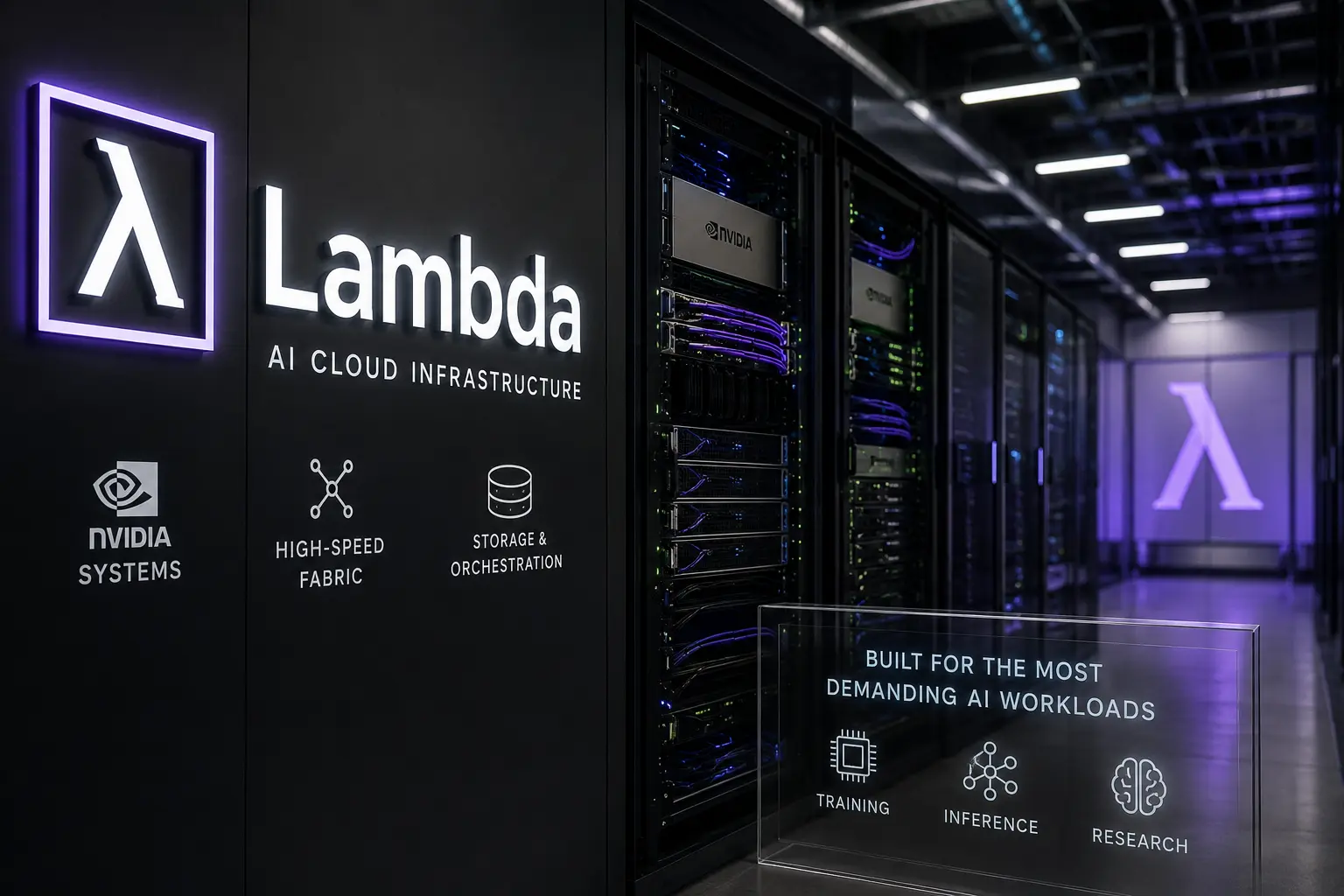
LAMBDA's Integrated AI Cloud Is Also a Financing Test
LAMBDA has raised and borrowed billions of dollars, attempting to combine NVIDIA systems, high-speed fabrics, storage, schedulers and data centre capacity into a managed AI infrastructure. Taking on the integration work for customers is a strength, but the more layers it adds…

Academics
Nick Feamster Created Tools to Explain Networks — and Exposed Their Limits
In 2005, a co-authored verifier reported over 1,000 previously undetected faults in 17 autonomous systems. The same effort to make hidden infrastructure legible later extended to spam, broadband, censorship, connected homes, and machine learning — and repeatedly showed that an…

Story
AFRINIC's 2009 accounts showed only USD 14,157 of surplus after a foreign-exchange loss
AFRINIC's registry services produced a positive operating result in 2009, yet almost nine tenths of it disappeared through the net effect of foreign exchange and interest. The arithmetic is unusually clear; the authority and treasury trail behind it is not.

Story
AFRINIC-11 sent Soft Landing back a second time
On 27 November 2009 in Dakar, a substantially revised IPv4 Soft Landing proposal failed to reach consensus for the second public meeting, leaving evidence consistent with a dispute that had moved beyond drafting detail to the limits of what a private registry should decide when…

Story
AFRINIC-11's ASN consensus met its real test in compatibility
AFRINIC-11's ASN consensus met its real test in compatibility intelligence summary explains the development, the public evidence available to readers, the organisations involved, the regional context, market exposure, and the infrastructure consequences that may follow. The Story…

Story
After the Withdrawal: AFRINIC-11 and the Missing Fiscal Handoff Ledger
In Dakar, a technical policy proposal was withdrawn and its affordability problem was handed to an author, staff and a private Board; the enduring question is not whether that boundary was sensible, but whether the alternative ever became visible enough to audit.

Story
AFRINIC-10's 59% mailing-list finding—and the participation it could not prove
At AFRINIC-10 in Cairo, a small survey finding exposed a large governance problem: opening a channel is not the same as carrying people across it. The meeting report said 59 percent were subscribed to an unspecified AFRINIC mailing list, but supplied neither the item count nor…

Academics
Nick Feamster built tools to explain networks and showed their limits
In 2005, a checking tool he co‑authored reported over 1,000 previously undetected faults from the configurations of 17 autonomous systems. The same effort to make invisible infrastructure legible later extended to spam, broadband, censorship, smart homes, and machine learning…

Global Regional ISP Trends
PacketExchange and the Record of Network Continuity
Network identity is easy to mistake for network performance. PacketExchange provides a useful, bounded example of how legal records, interconnection directories, number-resource data and company service descriptions can identify an operator without proving what its network is…

Story
AFRINIC published a 106-34 vote—but not the electorate behind the extra year
Both candidates won AFRINIC’s two community seats on the NRO NC / ASO AC without opposition. A separate vote then gave Musa Stephen Honlue a term through 2029 and Nitin Kelawon Sookun a term through 2028. AFRINIC’s meeting minutes disclose the 106-34 tally and a five-to-two…

Academics
Nick Feamster designed tools to explain networks – and revealed their limits
In 2005, a tool he co-wrote flagged over 1,000 previously undetected faults in the configurations of 17 autonomous systems. The same drive to make hidden infrastructure legible was later applied to spam, broadband, censorship, connected homes and machine learning – while showing…

Story
Seventeen Proxies and the Chain AFRINIC-10 Did Not Show
At Cairo’s AFRINIC-10 meeting, a called bundle of seventeen proxy votes plus one associated vote was counted, questioned and counted again. The surviving record confirms that signed proxies carried real ballot weight on 21 May 2009, but it does not let an outside reader…

Story
The AFRINIC-10 election committee promised a process-review report after ballot disputes
AFRINIC’s own account of its May 2009 meeting records a specific promise: gather the election criticisms, report them to the Board and return appropriate recommendations to the community. The enduring governance question is not whether later election work occurred, but whether…

Story
The AFRINIC-10 election used green, double-stamped ballots as its authenticity control
On 21 May 2009, the AFRINIC-10 election committee gave voters a test they could perform with their own eyes: a valid ballot was green and bore an AFRINIC stamp on both its front and its back. That modest paper rule matters because it reveals both the value and the limit of…

Academics
Nick Feamster created tools to explain networks and revealed their limits
In 2005, a checker he co-authored detected over 1,000 previously unidentified faults in configurations of 17 autonomous systems. The same effort to make hidden infrastructure legible later extended to spam, broadband, censorship, connected homes and machine learning, repeatedly…

Story
The Rule AFRINIC Had Not Changed
At AFRINIC's 21 May 2009 meeting, a dispute over whether a candidate could vote became a precise test of institutional authority: a new bylaw could empower the Board to change an election regulation, counsel said, but neither expectation nor practice could perform the Board's…

Story
AFRINIC-10's useful survey—and the denominator that limits its claims
AFRINIC's post-meeting report preserved something more valuable than an uncomplicated satisfaction story: enough arithmetic to show both what 42 respondents could teach the registry and what they could never authorise on behalf of 135 event entities, a membership, or a continent.

Asia-Pacific Cloud Services Trends
Daniel Pearson and the Operating Choices Behind PingCo
Daniel Pearson’s contribution to PingCo is best understood as a set of operating choices, not a single growth claim. Public records identify him as the company’s founder and chief executive. Partner and company accounts describe two connected moves: placing managed infrastructure…