
Intelligence
Latest Articles
Latest intelligence on infrastructure operators, policy decisions, market moves, and digital power shifts.

Story
The Rulebook That Worked Before Its Machinery Was Ready
At its first meeting under AFPUB-2010-GEN-005, AFRINIC enforced a new safeguard against late policy text and improvised the selection of the people meant to administer it. That contrast reveals both the value and the unfinished limits of a private registry’s redesigned control…

Number Resource Society
NIX at the University of Oslo: Reading AS44997 and AS203515 as Separate Network Records
NIX at the University of Oslo: Reading AS44997 and AS203515 as Separate Network Records intelligence summary explains the development, the public evidence available to readers, the organisations involved, the regional context, market exposure, and the infrastructure consequences…

Africa Institutional
UbuntuNet's 10 Gbps Core Still Relies on Campus Networks
UbuntuNet's 2023 report notes upgrades to 10 Gbps core links and added PoPs and peering. Whether these regional improvements reach researchers depends on national networks, campus facilities, commercial carriers, and the sustained operational funding that must continue after each…

Africa Institutional
UbuntuNet’s 10 Gbit/s Core Still Depends on Campus Networks
UbuntuNet's 2023 report describes core links upgraded from about 2.5 to 10 Gbit/s, with new points of presence and peering. This regional progress only reaches researchers if national networks, campus systems, operators, and recurrent funding extend it beyond each AfricaConnect…

Africa Institutional
UbuntuNet's 10 Gbps core still depends on the campus edge
UbuntuNet's 2023 report described expanded backbone links from around 2.5 to 10 Gbps, along with new points of presence and peering. That regional advance only reaches researchers when national networks, campus systems, operators, and recurring funding can sustain it beyond each…
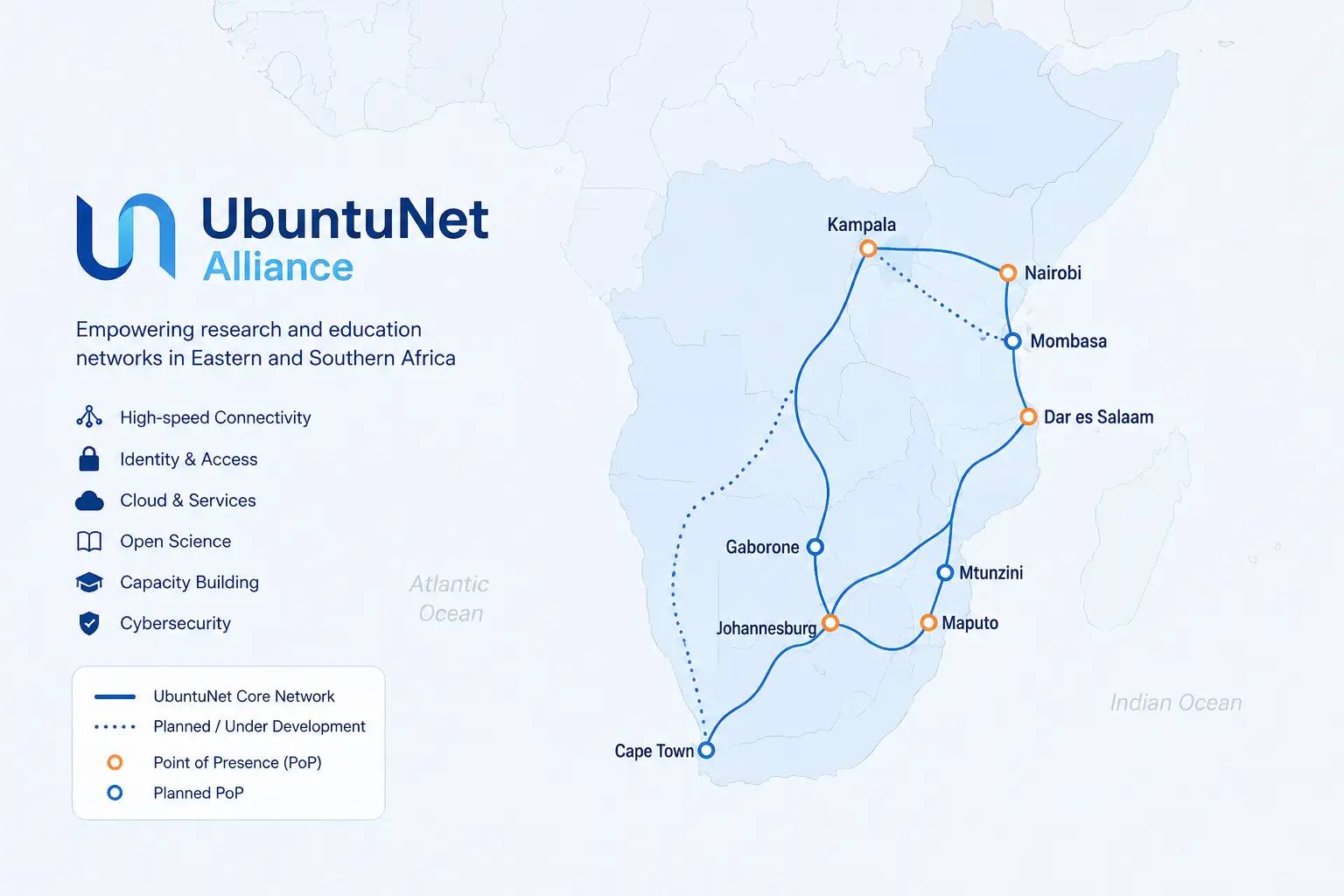
Africa Institutional
UbuntuNet’s 10 Gbit/s core still depends on campus networks
UbuntuNet’s 2023 report describes core links upgraded from around 2.5 to 10 Gbit/s, complemented by new Points of Presence and peering. This regional progress reaches researchers only if national networks, campus infrastructure, carriers and recurring funding carry it beyond each…

Africa Institutional
UbuntuNet’s 10 Gbps backbone still depends on university networks
The 2023 UbuntuNet report described upgrading core links from around 2.5 to 10 Gbps, with new points of presence and peering. Yet this regional improvement reaches researchers only if national networks, campus systems, carriers and recurring funding can carry it past each…

Story
AFRINIC's 2010 infrastructure reinvestment jumped to USD 346,203—but the office took most of it
AFRINIC's own presentations show a Board-authorised capital programme whose largest disclosed result was a new office, not a documented technical transformation. The useful question is not whether premises can count as infrastructure, but whether each capital decision can be…
Africa Institutional
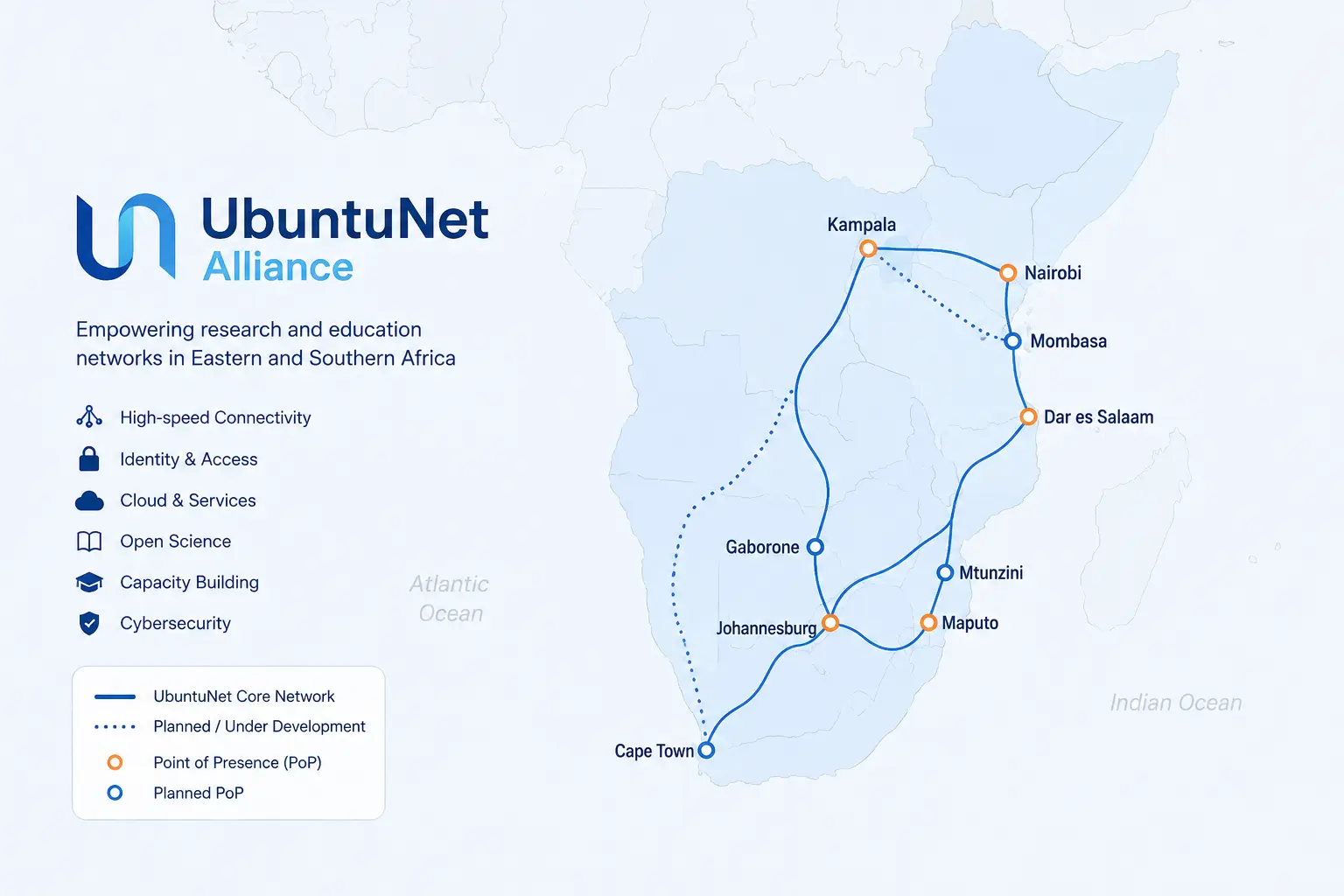
UbuntuNet’s 10 Gbps core still depends on the campus edge
UbuntuNet’s 2023 report described core links upgraded from about 2.5 Gbps to 10 Gbps, with new points of presence and peering. That regional gain reaches researchers only when national networks, campus systems, carriers and recurring finance can carry it beyond each AfricaConnect…

Story
The objections that reversed AFRINIC's Soft Landing last call
On 14 July 2010, a short procedural conclusion stopped a numerically consequential IPv4 proposal from moving toward ratification. The significance lies neither in the volume of mailing-list traffic nor in a claim that private entities spoke for Africa. It lies in the specific…

Story
The Policy AFRINIC Called Implemented Before the World Could Use It
On 11 November 2010 AFRINIC’s policy archive says that a plan for recovered IPv4 space was “Implemented”. The word sounds conclusive. The instrument was not. Its operative global machinery depended on a common text, ICANN Board ratification and action by IANA; the common proposal…

Academics
Nick Feamster: making networks explain themselves, and exposing the limits of measurement
In 2005, a checker he co-developed reported over 1,000 previously undetected faults in 17 autonomous systems. Since then, his effort to make hidden infrastructure explainable has extended to spam, broadband, censorship, smart homes, and machine learning, repeatedly showing that…
Story
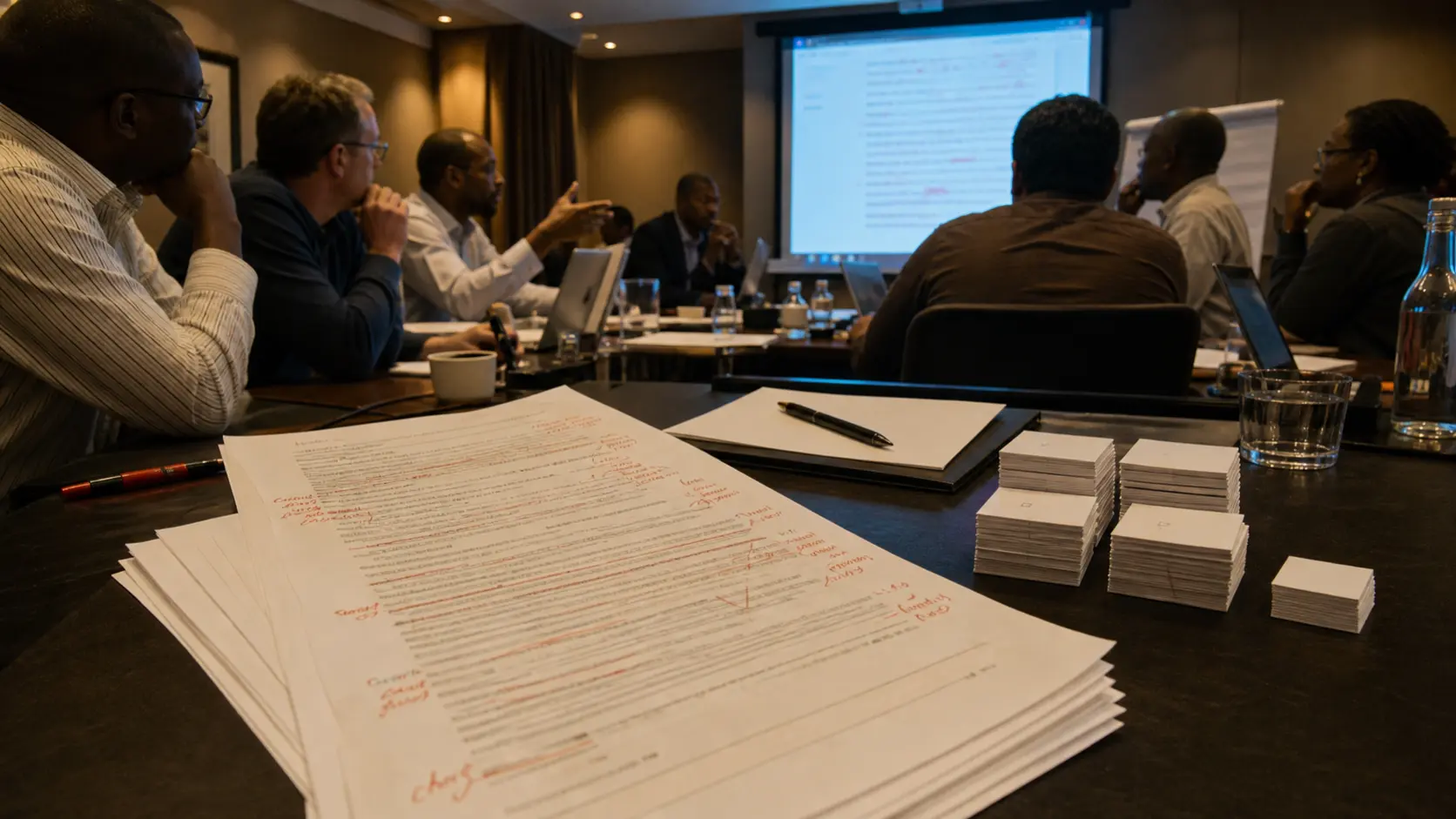
The Mandate in the Margin: What AFRINIC-13 Actually Agreed on Soft Landing
On 25 November 2010, AFRINIC’s public-policy meeting did not approve a finished Soft Landing policy. It agreed to move an identifiable proposal to Last Call while assigning three changes to be incorporated afterward and deliberately leaving a disputed /27 minimum unchanged. That…

Leaders
Pim van Pelt and the Decision to Sunset SixXS
Many infrastructure stories celebrate the moment a system starts. Pim van Pelt's more instructive story turns on the moment he and fellow operator Jeroen Massar decided that SixXS should stop. The service had helped people reach IPv6 when their providers did not offer it…
Story
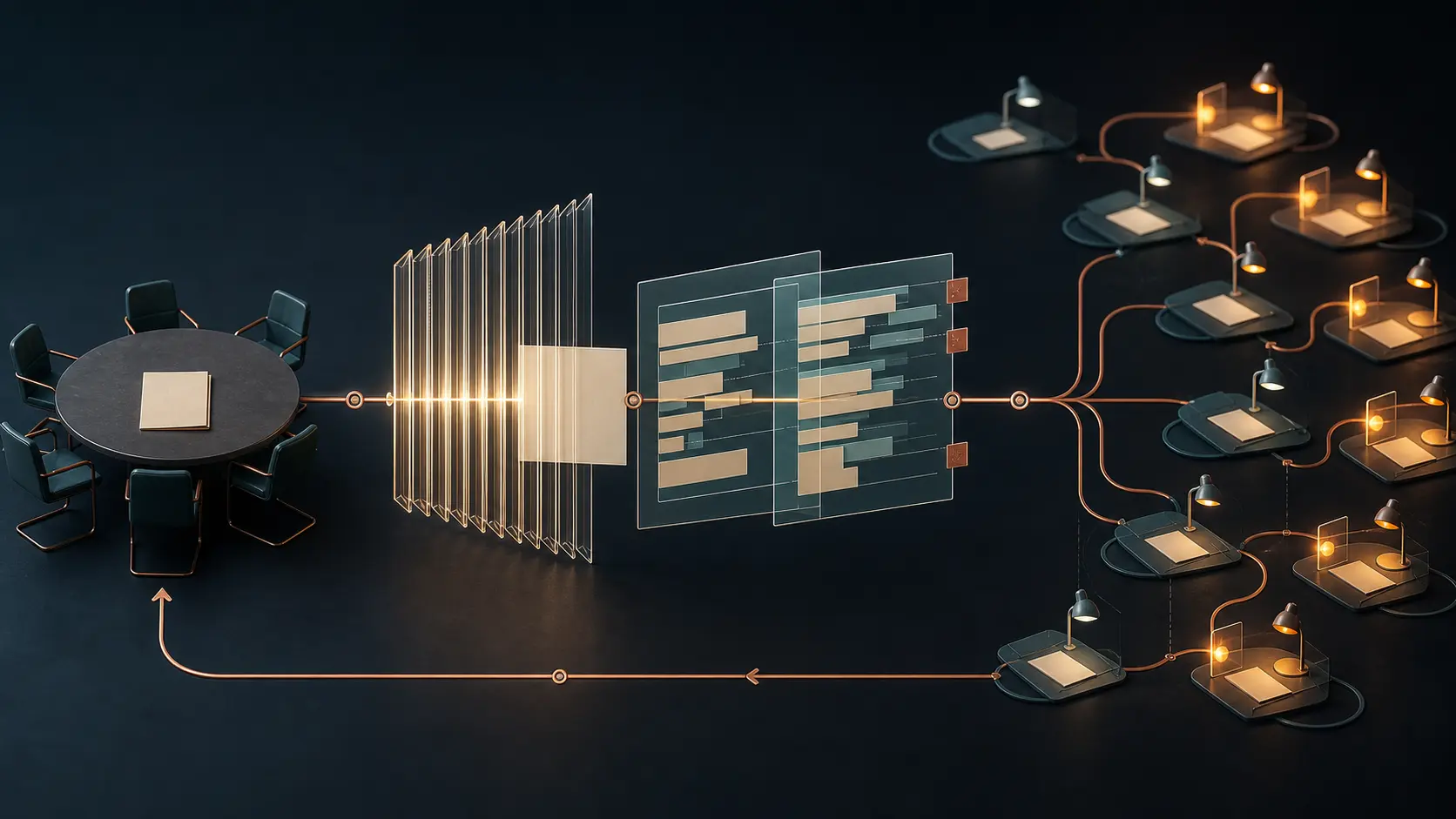
The Notice Was Part of the Soft Landing Decision
The decisive entity in June 2010 was not only a proposal about scarce IPv4 space. It was the notice that told people which proposal they were being asked to examine. By carrying a complete draft into a dated review window, then allowing corrections and objections to change the…

Story
AFRINIC changed Soft Landing's reference and left the redline to readers
On 12 May 2010, a materially revised scarcity proposal acquired a new documentary identity in AFRINIC's later history, but the message that carried the text did not carry the identifier. That mismatch shows both the value of version numbers and their limit: metadata can locate a…

Story
The rulebook that audited itself: what GEN-004 admitted about AFRINIC’s 2008 PDP
AFRINIC’s 2010 replacement policy did more than propose new procedure. It recorded the faults of the procedure it was meant to replace—and a later implementation note revealed how much discretion survived the repair.

Story
The text that consensus had not yet finished: AFRINIC-12 and Soft Landing
In Kigali, the decisive word was not simply “consensus” but the qualification that followed it: the IPv4 Soft Landing proposal had consensus with modifications. That formulation moved the proposal forward while leaving consequential language to be settled after the room had…

Global National Telecom
Arelion’s AS1299: Tier-1 Reach Requires Constant Renewal
Arelion’s AS1299: Tier-1 Reach Requires Constant Renewal intelligence summary explains the development, the public evidence available to readers, the organisations involved, the regional context, market exposure, and the infrastructure consequences that may follow. The Global…

Story
AFRINIC called the ASN amendment implemented before it became global policy
AFRINIC called the ASN amendment implemented before it became global policy intelligence summary explains the development, the public evidence available to readers, the organisations involved, the regional context, market exposure, and the infrastructure consequences that may…