
Intelligence
Latest Articles
Latest intelligence on infrastructure operators, policy decisions, market moves, and digital power shifts.

Story
AFRINIC Took Identity Proofing to Kigali. The Registry Handoff Needs a Receipt
A government ID can cross a conference desk in seconds. A registry change must remain explainable long after the badge, booth and meeting room have disappeared. AFRINIC's AfPIF service offer joined those two moments; the missing public entity is the receipt that keeps them…

History
The Question SMTP Learned Not to Answer: How VRFY Separated Address Acceptance from Directory Disclosure
In 1982, a remote machine could ask an SMTP server to `VRFY Smith` and receive Fred Smith’s full name and mailbox. The command was useful because it made a mail problem inspectable. It was dangerous for the same reason: a transport service had become a public directory, one…

Global Datacenter Trends
The refrigerant deadline hiding inside data-centre cooling capacity
A cooling plant can be mechanically sound and still cease to be a safe basis for growth. The hidden boundary sits in the refrigerant, the rule date and the service chain that keeps the machine lawful and repairable.

Asia-Pacific National Telecom Trends
Marunouchi makes real estate the control plane for mmWave
DOCOMO and Mitsubishi Estate want to build a dense 5G cluster across one of Tokyo's busiest business districts. The partnership addresses mmWave's hardest constraint: radios only work where property access, sightlines, fiber, power and streetscape approval meet.

History
The Server Returned the New Name: How UIDPLUS Made IMAP Mutation Verifiable
The upload had succeeded. The message was in the mailbox. Yet the client still lacked the one fact it needed for its offline ledger: which UID had the server assigned? Before UIDPLUS, a positive result could confirm the mutation while withholding the durable local reference…

Story
ARIN's Single-Site `/48` Lived in an Example Before It Reached the Rule
One site filled 100% of the `/48`s inside a `/48`. The sentence therefore pointed to `/44`; the example did not. ARIN-2025-7 repairs that small contradiction, and in doing so reveals a larger rule: examples must never become the hidden execution layer of number policy.

CASE FILE
The Token Knew the Address, Not the Actor: DNS Cookies and the Authority of Weak Authentication
A valid DNS Server Cookie proves something useful and deliberately small: a requester using this Client Cookie at this source address previously received a value derived from a server secret. Trouble begins when an operations system promotes that narrow fact into identity, trust…

Story
APNIC Reprinted a Router Guide That Turns a Private WAN Address into a CGNAT Verdict
A private address on a router's WAN port is an observation, not a diagnosis. APNIC's republication of a home-router guide compresses several different access designs into one confident label, even though the remedy depends on which design is actually present.

CASE FILE
An IANA Code Point Is Not a Licence to Deploy
The Internet needs common numbers, strings and names so that independently built systems can understand one another. IANA protocol-parameter registries supply that shared vocabulary. Their authority is real, but deliberately narrow: a registry entry can settle which value carries…

History
The Command That Gave Away the Connection: Why SMTP Replaced TURN with ETRN
A mail host called its provider and asked the line to turn around. The server could then send queued messages back over the same connection. The convenience hid an authority transfer: the caller had spoken a host name, but the protocol had not proved that it was entitled to…

Global Cloud Services Trends
Encrypted ClientHello Is Becoming a DNS-to-Edge Configuration Contract
A DNS operator can publish a fresh ECH public key in seconds. The matching private key may reach five edge clusters in seconds too, and the sixth after a maintenance window, a stalled secret distributor or the discovery that clocks remain an optional feature of distributed…

North America National Telecom Trends
A Cable-Landing Permit Has More Than One Clock
A financing model may show one date for a United States submarine-cable landing permit. The real schedule has separate clocks for application completeness, national-security review, mitigation and final regulatory action—and some do not start when the application is filed.

Number Resource Society
The Proposal Competition After Its Deadline
Rules can explain how a competition is supposed to end. Only a dated decision and fulfilment record can show which ending actually occurred.

History
The Deadline the Relay Could Not Reset: How SMTP DELIVERBY Made Time Travel with the Message
A page that is useful at 16:58 can become an intrusion at 17:01. SMTP knew how to retry, but not why a message's value might expire. DELIVERBY let the sender attach a shrinking time obligation without buying priority or commanding another operator's queue.

History
The Identifier That Outlived Its Number: How POP3 UIDL Let a Client Remember Across Reconnection
On Monday a retained message is number 2. By Tuesday the message ahead of it has disappeared, so the same item is number 1. POP3 could name the position needed for this session, but an intermittently connected client needed something else: evidence that the message it saw after…

History
The Error Code That Asked the Blocker to Identify Itself
HTTP 451 could make a legal obstacle visible and name who enforced it. It could not compel disclosure, validate the demand or expose a block below HTTP.
Global Institutional Trends
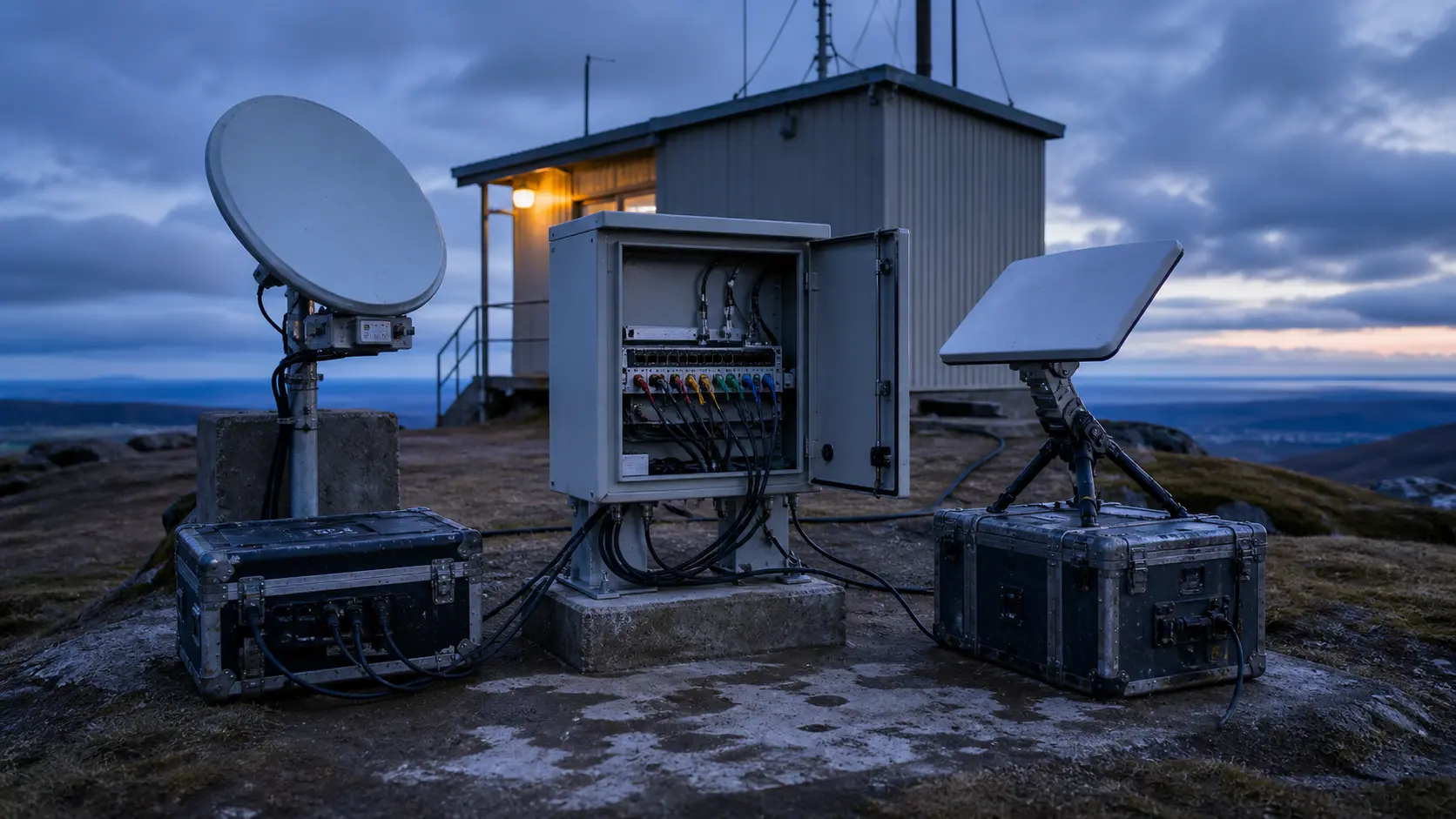
A satellite terminal is not public infrastructure until the buyer can leave
A dish on a roof is visible, countable and easy to photograph at launch. The harder public asset is the right to keep that site connected when the account holder changes, the subscription ends, a licence moves or the original supplier is no longer the right one.

History
When the Warning Reached the Wrong Server: The History of Path MTU Discovery
In 2015, Cloudflare found that a TCP flow and the ICMP warning meant to repair it could enter the same data centre and still reach different machines. The path had stated its limit. The server handling the connection never heard it. That incident exposed the institutional bargain…

ICANN
The Writ Reached ICANN; the Registry Data Stayed Abroad
The creditors proposed to sell or license operation of `.ir`. A court could reach ICANN in the United States, but an order changing the root-zone pointer would not deliver the foreign registry’s database, secure a competent successor or oblige the world’s networks to follow the…

Global Regional ISP Trends
IPv6 Extension Headers Are Becoming a Path-Compatibility Tax
The address answers. Ping works. Then the transport header moves 64 bytes deeper into an otherwise valid IPv6 packet, and the path goes quiet. Basic reachability survived; optional capability met the smallest parser on the route. It is a compact demonstration of how a protocol…