Summary
- Asia-Pacific proposes adding ITU Academy Training Centres to Resolution 180 as a channel for local IPv6 capacity building, with particular attention to developing countries.
- The adopted 2022 resolution already called for training and expert help. The new clause names a delivery network and gives two ITU bureaux a coordinating role.
An IPv6 resolution can travel the world in a PDF. The engineer who has to keep a network running cannot be downloaded with it. Asia-Pacific's addendum 14 proposes a more earthly route: the director of ITU's Development Bureau, coordinating with the Standardization Bureau director, would use ITU Academy Training Centres with Sector Members and other stakeholders to support local IPv6 training and development programmes. The ITU document register lists the contribution for Doha. Delegates have yet to decide on it.
There is already a shelf of good intentions. Resolution 180 as adopted in 2022 asks for expert assistance, information exchange, national training and best practices. It tells ITU's development and standardization directors to promote IPv6 through their study groups and to collect national coordination practices. The new draft adds a named teaching channel to that directors' list. It moves from “build capacity” to “use these centres.”
The Academy's own training overview says its partners include Academy Training Centres, universities and private providers. Courses may be online, face to face or blended. That gives the proposal an existing distribution system, though the filing specifies no centre, syllabus, funding line or target number of students. Those choices would be made after the diplomatic sentence is settled.
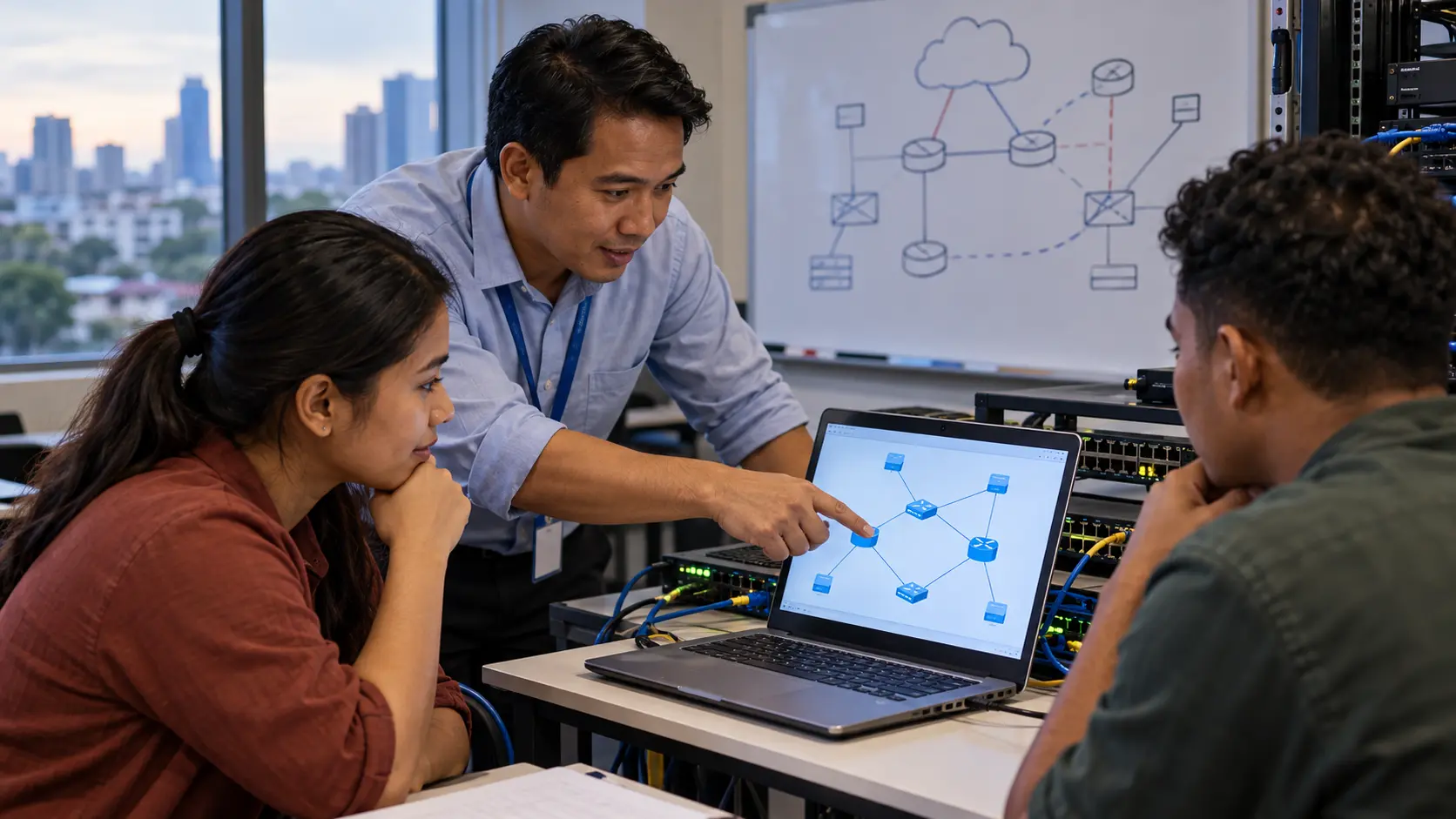
One line in the older resolution deserves to remain pinned above the lab bench: IPv4-based systems must keep functioning during IPv6 deployment. An operator learning to configure IPv6 is still responsible for the service already in use. A useful local course would therefore test more than a completed slide deck. It would put participants in front of a network exercise and ask whether the new configuration works without breaking the old path. That is an editorial yardstick, not a reported Academy curriculum.
The proposed clause still leaves the hard choices with people on the ground: which centre, which instructors and which operating problem? A classroom can transfer a skill only when its exercises meet the equipment and responsibilities waiting outside the door.
Official sources
Member Briefing
Deeper Profile Context
Sign in with the right membership level to unlock the full briefing and source notes.
Only for Strategic Circle
Strategic Circle
Open to all readers. Unlock profile briefings after joining and signing in.
Join Strategic CircleOnly for Leadership Alliance
Leadership Alliance
For qualified IP-asset owners and management; sign in to unlock alliance briefings.
Join Leadership Alliance