Summary
- ITU says AI for Good's 2026 summit drew 12,000 people, while its annual budget of CHF 8.5–8.8 million relied on external revenue for roughly two thirds and had about CHF 0.1 million of headroom for the next year.
- A strategic review before the Doha conference proposes a two-window trust fund, retention of eligible summit surpluses and a temporary advance from ITU reserves to cover costs before event income arrives. Delegates have been asked to consider the report.
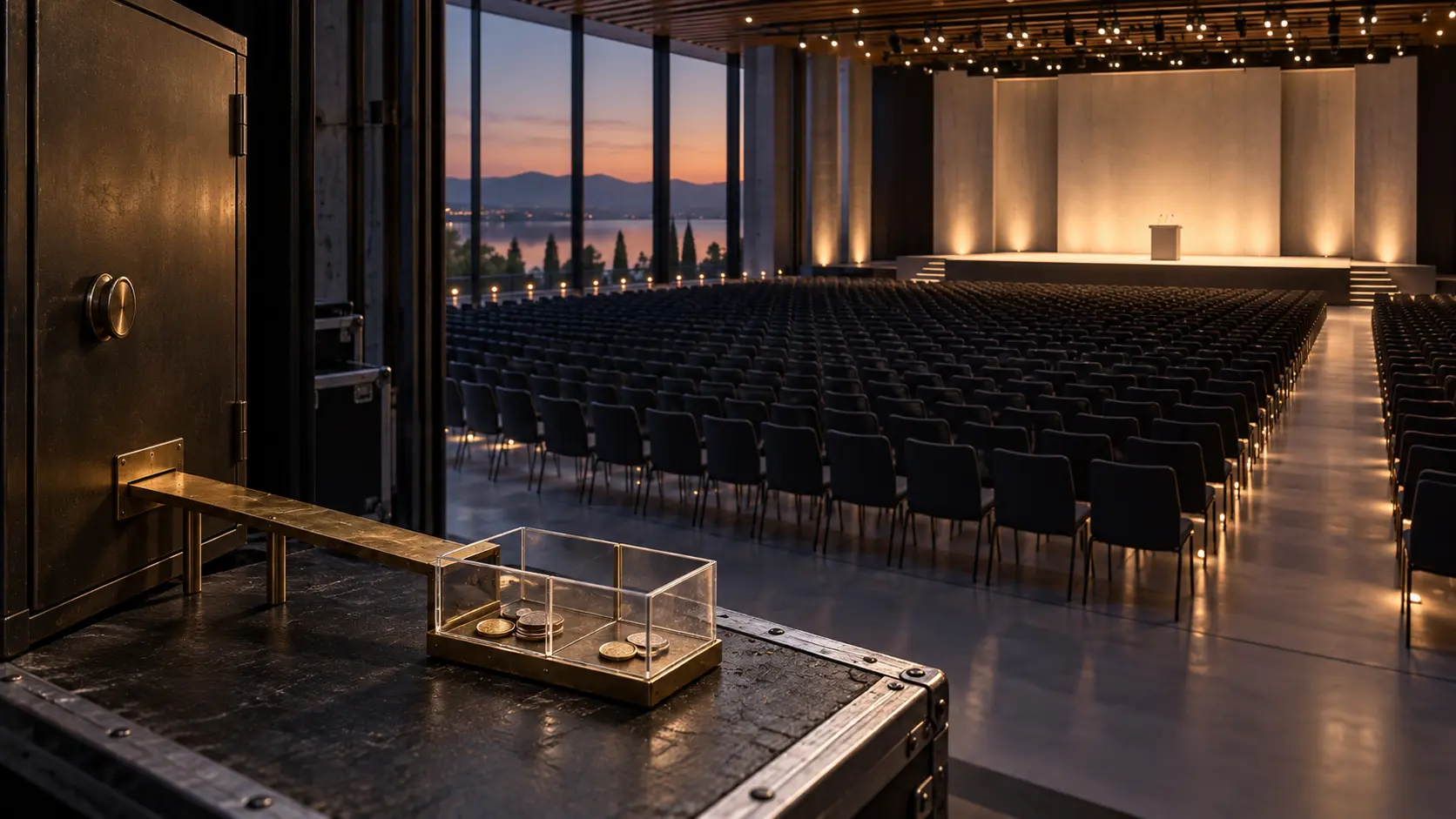
Twelve thousand people can fill a conference hall. They cannot make the venue deposit arrive after the ticket receipts. That is the mismatch inside the ITU's strategic review of AI for Good. The Summit grew from 500 participants in 2017 to 12,000 in 2026. The report puts its 2026 budget at CHF 8.5–8.8 million, about 67% financed outside the regular ITU budget. Almost none of that money is committed beyond a year, and estimated headroom for the following year is just CHF 0.1 million. A successful crowd is not working capital.
The review goes further than asking for another sponsor. It proposes an AI for Good trust fund with two windows. One would hold Summit and related event income and aim to recover annual costs; the other would hold project money for skills, research and practical AI work. Project funds would stay tied to their accepted purposes. Eligible, unrestricted event surplus could move into an AI for Good reserve only after costs, liabilities and any advance repayment, subject to ITU decisions. The proposal puts a wall between tomorrow's event buffer and money promised to a particular project.
The more consequential bridge would come from ITU itself. A proposed temporary facility would use Union reserves or savings to pay Summit expenses before sponsorship and registration receipts arrive, then repay the advance from event income. A facility backed by voluntary contributions could add liquidity. The report says a marginal attendee currently costs more than they generate, so filling still more seats alone would make the cash equation worse. The issue is who authorizes an advance, how much exposure the Union accepts and whether the event can later retain enough surplus to stop borrowing from its parent.
The draft also calls for separate accounts, quarterly reporting to the Secretary-General and Council reporting through financial operating reports. It suggests a post-2027-Summit review. The public document register lists the 12 October report for the November conference and asks delegates to consider it. The test is a decision with a ceiling, repayment rule and published reserve balance. Applause has already been counted; the cash still needs an owner.
Official sources
Member Briefing
Deeper Profile Context
Sign in with the right membership level to unlock the full briefing and source notes.
Only for Strategic Circle
Strategic Circle
Open to all readers. Unlock profile briefings after joining and signing in.
Join Strategic CircleOnly for Leadership Alliance
Leadership Alliance
For qualified IP-asset owners and management; sign in to unlock alliance briefings.
Join Leadership Alliance