Summary
- A quick tap improves the user interface, while the commercial value depends on terminal coverage, fraud controls and settlement reliability.
- Claims of a broader standard need evidence that other wallets and acquirers can implement it without dependence on one platform.
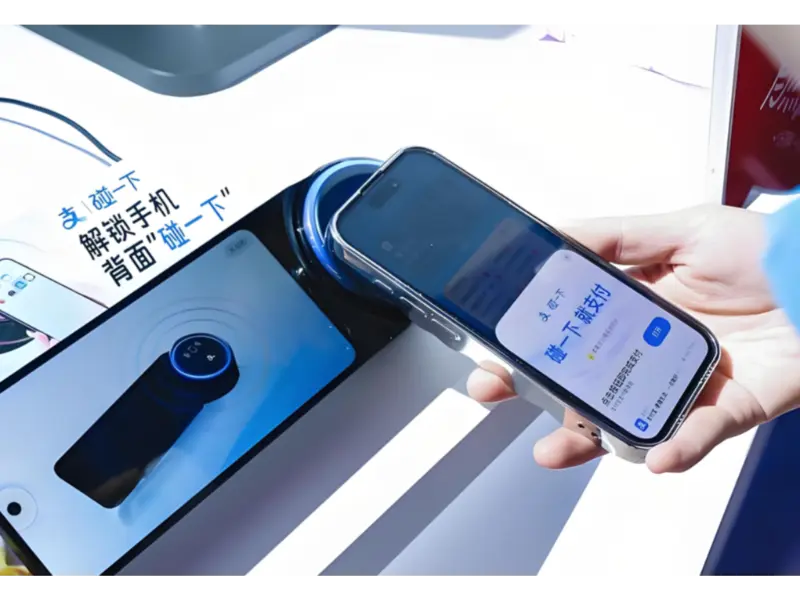
iTap combines proximity payment with tokenisation and dynamic security controls, according to the underlying Research. That can reduce steps at checkout and support high-volume settings such as restaurants or transport. Yet a smooth demonstration inside one ecosystem is different from interoperable payment infrastructure.
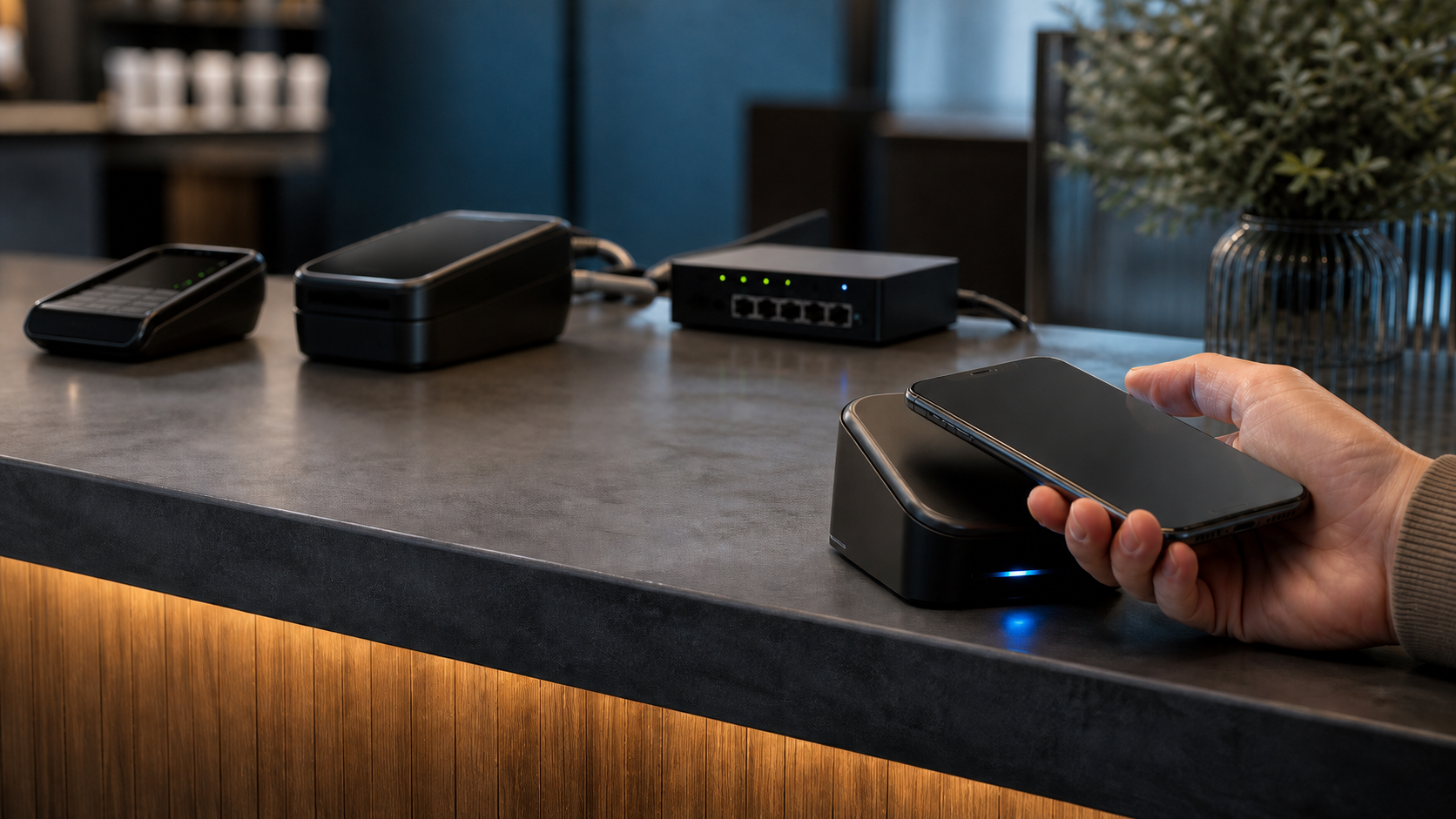
Merchants bear the distinction. New terminals, integration work, dispute handling and fallback payment methods all affect the real cost of acceptance. Consumers also need clear recovery when a tap fails or a token is challenged. Deployment figures say little about those exception paths.
The watchpoint is documentation: independently implementable specifications, certified devices, named acquiring partners, transaction success rates and published liability rules. Until those appear, iTap is best understood as a growing Alipay acceptance method, not proof of a universal payment standard.