
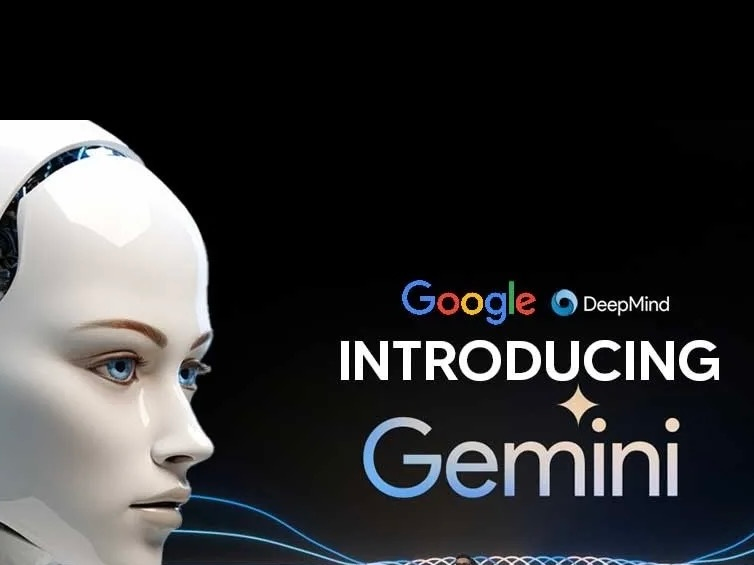
- Gemini AI: The debate over its open-source status.
- Understanding the implications of open-source AI.
In the rapidly evolving world of artificial intelligence, the open-source nature of a platform can significantly impact its adoption and development. This blog delves into whether Gemini AI is open source and what this means for the AI community.
1. Is Gemini AI open source?
Gemini AI was developed by Google’s DeepMind team, a leading artificial intelligence research lab known for its groundbreaking work in machine learning and neural networks. Originally an independent British AI company, DeepMind was acquired by Google in 2015 and has since operated as a subsidiary of Alphabet Inc. The development of Gemini AI represents DeepMind’s latest advancements in natural language processing and generation technologies, positioning it as a key competitor to OpenAI’s GPT models. This project highlights DeepMind’s ongoing commitment to pushing the boundaries of AI research and application.
As of now, Gemini AI is not open source. Unlike other AI platforms that have embraced the open-source model, Gemini AI remains proprietary software. This decision by its developers has sparked discussions and varying opinions within the tech community.
2. Why isn’t Gemini AI open source?
The decision to keep Gemini AI proprietary is likely driven by several factors:
Control over development: By maintaining proprietary status, the developers of Gemini AI can retain complete control over its development and direction. This ensures a consistent vision and implementation of features.
Monetisation: Proprietary software allows for more straightforward monetisation through licensing fees, subscriptions, or other business models. This can be crucial for sustaining ongoing development and support.
Security and reliability: Proprietary control can sometimes offer enhanced security and reliability, as the developers can manage vulnerabilities and updates without external dependencies.
Also read: Apple and Meta discuss AI partnership
Also read: Generative AI exists because of the transformers
Additional information
Pros and cons of open-source software
Pros:
- Community collaboration: Open-source projects benefit from the collective expertise and contributions of a global community.
- Transparency: Users can inspect the source code to ensure there are no hidden vulnerabilities or malicious components.
- Innovation: Open access to the source code can foster innovation as developers build upon and improve the original project.
Cons:
- Lack of control: Open-source projects can sometimes diverge from the original vision, leading to fragmented versions and inconsistencies.
- Security risks: While transparency is a benefit, it also means that vulnerabilities are publicly visible, which can be exploited if not quickly addressed.
- Support challenges: Open-source projects may lack the dedicated support resources that proprietary software often provides.
Industry background
The debate over open-source versus proprietary software is long-standing in the tech industry. For example, TensorFlow, an open-source AI platform developed by Google, has seen widespread adoption and innovation due to its open-source nature. On the other hand, companies like Microsoft have successfully leveraged proprietary software models with products like Azure Machine Learning, ensuring tight integration and support within their ecosystem.
Personal perspective
While the decision to keep Gemini AI proprietary might limit its immediate collaborative potential, it also allows for a focused and controlled development environment. This can lead to a more polished and reliable product in the short term. However, the AI community thrives on collaboration and shared knowledge, and open-source contributions have historically accelerated technological advancements.
The proprietary nature of Gemini AI is a double-edged sword. On one hand, it ensures a stable and secure platform with consistent development. On the other hand, it limits the collaborative innovation that open-source models bring. Personally, I believe that the true potential of AI lies in shared knowledge and collective progress. As users and developers, we must weigh the benefits of control and security against the immense possibilities that openness and collaboration offer.
Gemini AI’s current status reflects a cautious approach, prioritising control and security. Yet, the future might see a shift towards more open models as the demand for transparency and collaboration grows. For now, we watch and wait, eager to see how this dynamic landscape evolves.