
- IP address management (IPAM) ensures efficient allocation, tracking, and security of IP addresses, preventing conflicts and supporting IPv6 adoption.
- Best practices for IPAM include using DHCP, updating documentation, using IPAM software, and monitoring IP usage for better scalability and security.
As businesses rely more on seamless and secure digital infrastructure, effectively managing IP addresses becomes crucial in an increasingly interconnected world. IP address management (IPAM) ensures that the networks are properly configured, scalable, and protected from security threats. This article will explore the importance of IP address management, its role in maintaining network security, and how it can optimise IT infrastructure. We will also look into best practices and how businesses can leverage modern IPAM solutions for better network efficiency and reliability.
- What is IP address management (IPAM)?
- Why is IP address management important?
- The role of IP address management in network security
- Best practices for effective IP address management
- How IPAM improves network scalability
- The role of IPAM in cloud and hybrid environments
- Optimising network security with IP address management
- FAQs: IP address management (IPAM)
What is IP address management (IPAM)?
IP address management (IPAM) is a systematic approach to planning, managing, and tracking IP addresses within a network. It involves a range of practices that allow administrators to allocate, track, and resolve IP addresses dynamically, ensuring a reliable and secure network environment.
In essence, IPAM simplifies the task of assigning IP addresses to devices within a network. By effectively managing IP addresses, businesses can ensure their networks function smoothly, without the risk of address conflicts or other issues.
Also read: How IP Address Management Can Strengthen Network Security
Why is IP address management important?
Without effective IP address management, networks may become inefficient, unorganised, and susceptible to security breaches. Proper IPAM addresses several key challenges, including:

- Efficient network organisation: With a structured system in place, businesses can ensure that their network infrastructure is well-organised and easy to manage.
- Avoiding IP conflicts: Effective IPAM helps prevent IP address conflicts by keeping track of used and available addresses. This ensures that devices do not get assigned duplicate IPs.
- Improved scalability: As businesses expand and more devices are connected to the network, IPAM solutions help businesses scale their IP address infrastructure without disruptions.
- Enhanced security: By tracking and managing IP addresses, businesses can identify and address potential security threats. IPAM allows for better control over network access, ensuring only authorised devices are allowed on the network.
Also read: Mastering the Art of IP Address Management
The role of IP address management in network security
IPAM plays a pivotal role in strengthening network security by reducing the risks associated with unsecured or unmonitored IP addresses. Here’s how:
1. Preventing unauthorised access: When devices are added to a network without proper IP address management, it becomes challenging to identify whether they are legitimate. By effectively managing IP addresses, businesses can ensure that only authorised devices are allowed to connect to the network. This can be achieved through mechanisms such as IP address allocation policies and continuous monitoring of the IP address space.
2. Identifying potential threats: With IPAM, businesses can keep track of all devices connected to their network. This gives network administrators the ability to spot unusual activity, such as an unfamiliar device trying to connect to the network. By monitoring IP address allocations in real time, it’s easier to identify rogue devices and prevent malicious access attempts.
3. Enhancing network visibility: IP address management provides better visibility into the network, allowing administrators to map out all IP addresses and their associated devices. This visibility helps businesses gain insight into the health of the network and monitor traffic patterns, making it easier to spot vulnerabilities and potential threats.
Also read: Michael Richardson on IoT device security at RIPE89

4. Securing IoT devices: The rise of IoT (Internet of Things) devices in businesses means that IPAM is now more critical than ever. IoT devices are often vulnerable to security breaches because they are frequently connected to the network without adequate protection. By using IPAM, businesses can manage and secure IoT devices, ensuring that each device has a unique IP address and is securely connected to the network.
IPAM plays a vital role in strengthening network security. As Bruce Schneier, a renowned security expert, once said, ‘Security is not a product, but a process.’ IPAM is not a one-off solution, but a continuous process that ensures your network remains protected by regularly monitoring IP address allocations, detecting unusual activities, and preventing security breaches.
Also read: IP Address Management: Maintaining a Reliable, Secure, and Scalable Infrastructure
Security is not a product, but a process
Bruce Schneier, a renowned security expert
Best practices for effective IP address management
Implementing an efficient IP address management system requires adopting best practices that align with both the security and operational needs of the organisation. Here are some of the key best practices for managing IP addresses:
1. Establish clear IP address allocation policies: Creating clear policies for IP address allocation ensures that there is consistency and control over how IP addresses are assigned. Administrators should define which ranges of IP addresses are reserved for specific devices or services, ensuring that network resources are efficiently utilised and preventing overlap.
2. Use DHCP for dynamic IP assignment: Dynamic Host Configuration Protocol (DHCP) allows administrators to automatically assign IP addresses to devices that connect to the network. This method streamlines the IP address assignment process and reduces human error. DHCP also ensures that IP addresses are reused and recycled when devices disconnect, maximising IP address utilisation.
3. Implement DNS and reverse DNS lookup: Domain Name System (DNS) and Reverse DNS lookup are essential components of IP address management. DNS translates domain names into IP addresses, allowing users to access websites easily. Reverse DNS helps track the IP addresses of incoming traffic, improving network visibility and security. By implementing both, businesses can ensure their network infrastructure is efficient and secure.
4. Regularly update IP address documentation: Maintaining up-to-date records of all IP address allocations is crucial for troubleshooting and managing the network. Administrators should regularly update their IP address documentation to reflect any changes in the network. This ensures that they have an accurate view of the network infrastructure and can quickly identify any potential issues.

5. Monitor and track IP usage: Continuous monitoring of IP address usage is critical for identifying underutilised or overutilised IP addresses. Monitoring tools can provide insights into network performance and help detect abnormal traffic patterns that could indicate security threats or operational inefficiencies.
6. Leverage IPAM software tools: Many businesses opt to use IPAM software to automate and streamline IP address management tasks. These tools offer a range of features such as automatic IP address allocation, monitoring, and reporting. They also provide a centralised platform for managing all IP address-related tasks, reducing the risk of errors and improving overall network efficiency.
7. Implement IP address segmentation: Segmenting IP addresses helps optimise network traffic and enhances security. By dividing the network into smaller subnets, businesses can create isolated environments for different departments, services, or applications. This reduces the risk of security breaches and makes it easier to manage large-scale networks.
Also read: Understanding IP reputation: The digital age’s credibility score
How IPAM improves network scalability
As businesses grow, so does the need for more IP addresses. This is where IPAM plays a crucial role in ensuring networks can scale effectively. As Carly Fiorina, the former CEO of Hewlett-Packard, said, ‘The goal is to turn data into information, and information into insight.’ By using IPAM solutions, businesses can transform raw network data into actionable insights that improve network performance, security, and scalability. Here’s how IPAM solutions can assist in scaling a network:
1. Flexible IP address allocation: IPAM allows businesses to allocate IP addresses dynamically, adjusting to the growing needs of the network. Whether it’s adding new devices or expanding to new locations, IPAM ensures that there are sufficient addresses available and that they are efficiently assigned.
2. Simplifying network expansion: When expanding a network, IPAM simplifies the process by providing a centralised platform to manage and configure addresses. This makes it easier to add new subnets, integrate additional devices, or move network segments around without causing disruptions.
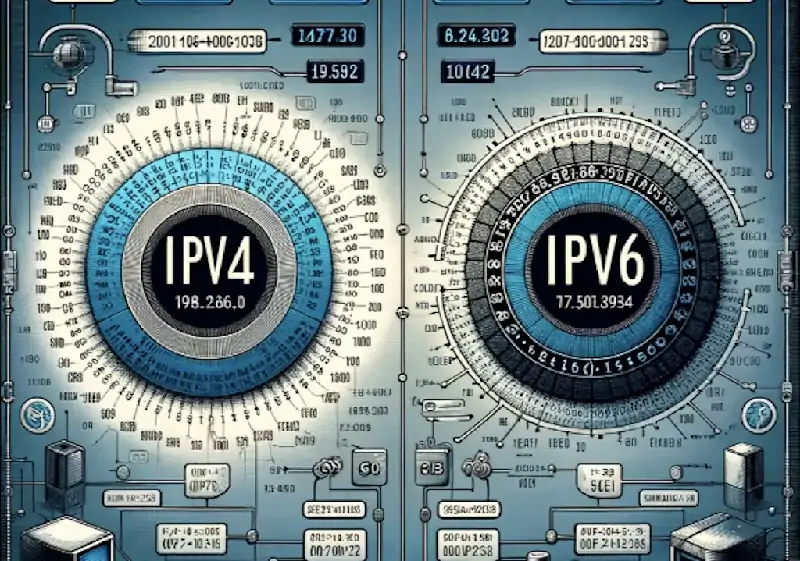
3. Enabling IPv6 adoption: With the increasing demand for IP addresses, IPv4 addresses are becoming scarce. IPv6 adoption is crucial for businesses that want to future-proof their network infrastructure. IPAM solutions support IPv6 deployment, making it easier for businesses to transition from IPv4 to IPv6 without disruptions.
4. Automating address management: Modern IPAM solutions automate the process of IP address assignment and tracking, reducing the burden on network administrators. This automation ensures that addresses are allocated in real time and that they are reused when devices disconnect, increasing the scalability of the network.
Also read: IETF 121: IPv6 adoption, DNS improvements, routing security
The goal is to turn data into information, and information into insight
Carly Fiorina, the former CEO of Hewlett-Packard
The role of IPAM in cloud and hybrid environments
As businesses adopt cloud and hybrid infrastructures, IPAM becomes even more essential. Managing IP addresses in these environments requires additional considerations:
1. Cloud integration: IPAM solutions can integrate with cloud services, allowing businesses to manage IP addresses across both on-premises and cloud networks. This is especially useful for businesses with multi-cloud environments, ensuring consistent address management across different platforms.
2. Hybrid network management: In hybrid networks, where on-premises systems are integrated with cloud platforms, IPAM solutions provide a unified approach to managing IP addresses across diverse environments. This reduces the complexity of managing separate address spaces and ensures smooth communication between on-premises and cloud-based devices.
Optimising network security with IP address management
IP Address Management is an essential component of modern IT infrastructure. It plays a critical role in ensuring network security, scalability, and reliability. By adopting best practices and using advanced IPAM tools, businesses can optimise network performance, prevent security breaches, and better manage resources. As organisations grow and the demand for IP addresses increases, effective IPAM solutions will be crucial in maintaining a secure and efficient network.
Whether you are managing a small business network or a large enterprise infrastructure, implementing a solid IP address management strategy will help future-proof your network and support your organisation’s digital transformation. Effective IPAM will not only enhance operational efficiency but will also improve security, scalability, and overall network reliability.
FAQs: IP address management (IPAM)
IP Address Management (IPAM) is the process of planning, managing, and tracking IP addresses within a network. It ensures that IP addresses are allocated efficiently, helps avoid conflicts, and enables network scalability and security. IPAM tools assist administrators in managing both IPv4 and IPv6 addresses, providing visibility into network infrastructure and enhancing security by monitoring IP address usage.
IPAM plays a key role in improving network security by preventing unauthorised access, identifying potential threats, and enhancing overall network visibility. By tracking all IP address allocations, administrators can detect unusual behaviour, such as rogue devices trying to access the network. Proper IPAM ensures that only authorised devices are allowed to connect, reducing the risk of network breaches.
As organisations grow and add more devices to their networks, IPAM ensures the network can scale smoothly. By dynamically allocating IP addresses and allowing for the seamless integration of new subnets, IPAM facilitates network expansion. It also supports IPv6 adoption, which is crucial for future-proofing networks due to the scarcity of IPv4 addresses.
To effectively manage IP addresses, businesses should establish clear allocation policies, use DHCP for dynamic address assignment, and implement DNS and Reverse DNS lookup for enhanced network visibility. Regularly updating IP address documentation, monitoring IP usage, and leveraging IPAM software tools also help optimise network performance and security.
Yes, IPAM is essential in cloud and hybrid environments. Modern IPAM solutions integrate with cloud platforms, enabling businesses to manage IP addresses across both on-premises and cloud-based networks. This integration simplifies address management in multi-cloud environments and ensures seamless communication between on-site and cloud-based systems.