
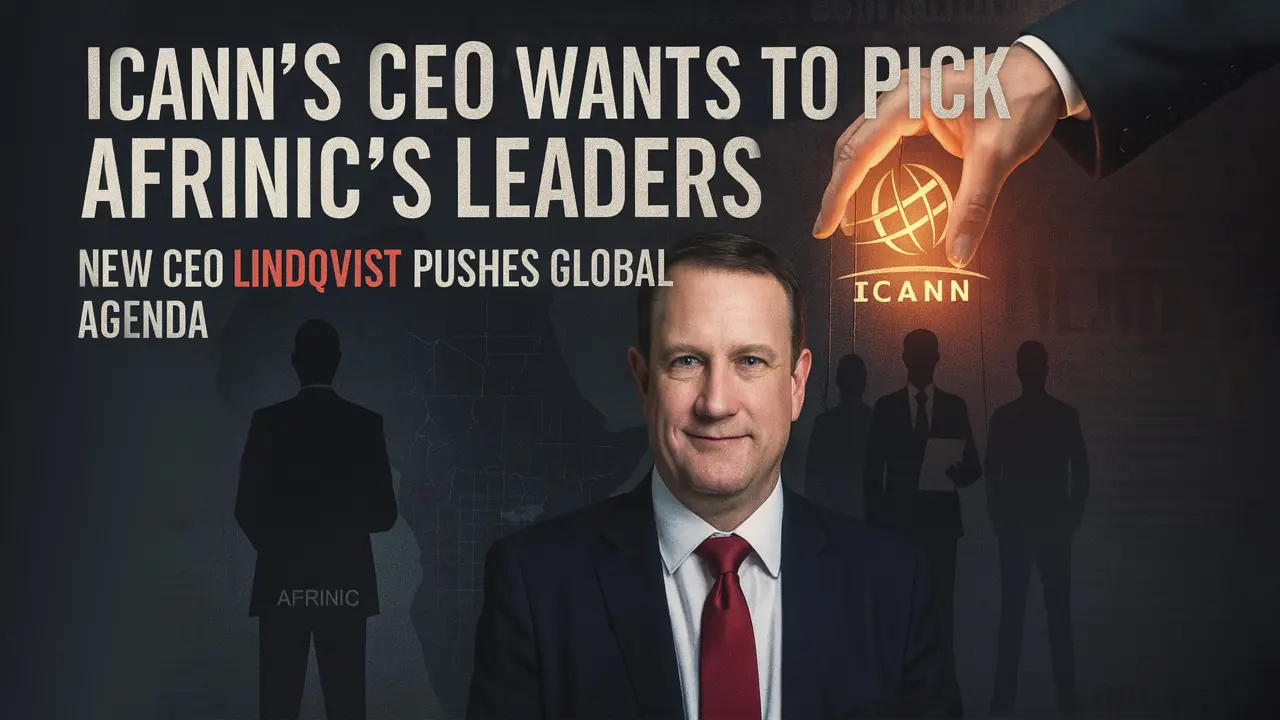
- ICANN under Kurtis Lindqvist suggests structural changes to AFRINIC’s leadership process.
- Cloud Innovation warns reforms may weaken bottom-up governance in Africa.
ICANN CEO Lindqvist proposes AFRINIC election reforms
ICANN CEO Kurtis Lindqvist has proposed direct interventions in the ongoing governance crisis at AFRINIC, Africa’s regional internet registry. In a letter addressed to the Government of Mauritius and AFRINIC’s court-appointed receiver, Lindqvist outlined several recommendations, including hiring an independent elections expert, redefining voting eligibility, and overhauling board election procedures.
These proposals follow the annulment of AFRINIC’s June 2025 board election amid disputes over proxy voting and verification protocols. ICANN expressed concern over what it described as a lack of transparency and limited public evidence technical assurances. Under Lindqvist’s leadership, the organization has taken a more visible role in addressing registry-level crises, positioning ICANN as an external facilitator of reform.
Also read: Cloud Innovation calls for AFRINIC wind-up after ‘impossible’ election standards
Also read: EXPOSED: The letter that reveals who was really benefitting from AFRINIC’s lawsuits
Regional stakeholders question centralised direction
The proposals have drawn scrutiny from stakeholders concerned about the erosion of AFRINIC’s regional independence. While AFRINIC has faced significant internal failures—leading to its court supervision since 2023—some observers view Lindqvist’s recommendations as shifting authority away from community-led governance.
Cloud Innovation, one of AFRINIC’s largest resource members, argues that structural changes should emerge through regional consensus rather than external suggestion. Although ICANN has not formally imposed any measures, the influence of Lindqvist’s proposals has sparked debate over whether such guidance aligns with the principles of decentralised, multistakeholder internet governance.
The wider context includes more than 50 legal cases involving AFRINIC, many filed in response to internal disputes and resource allocation decisions. While Lindqvist has emphasised electoral reform and institutional recovery, the framing of the “path forward” raises questions about balance between global stability mechanisms and local decision-making authority.
Observers note that AFRINIC was created to serve Africa’s specific connectivity and policy needs. Any attempt to restructure its leadership or voting processes—especially if led by international bodies—must navigate a complex legacy of governance challenges and regional sovereignty concerns.