
Institution Profiling / Internet infrastructure institution

How is AI different from an algorithm?

How is AI different from an algorithm? is tracked as a internet infrastructure institution within the internet infrastructure ecosystem.

How is AI different from an algorithm?
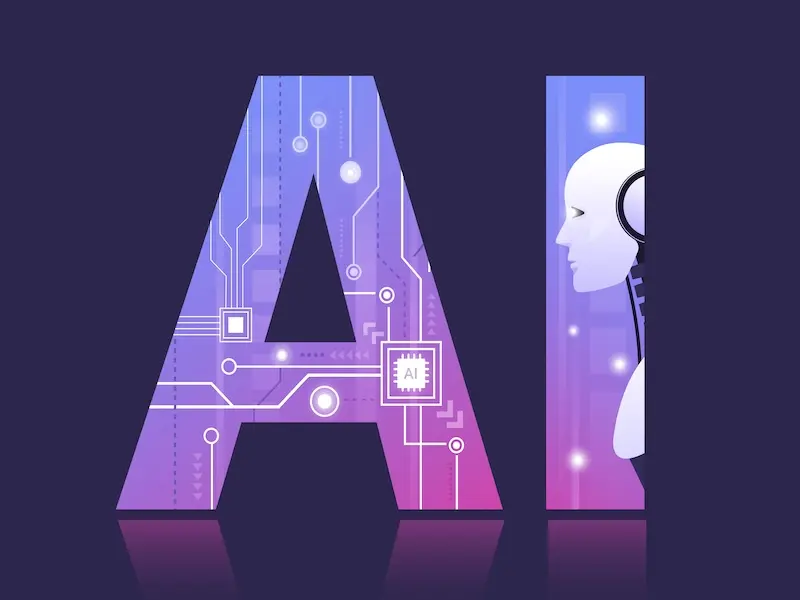
Caption: How is AI different from an algorithm? visual context for BTW intelligence coverage. · Source context: Existing article media was retained or restored as the subject-specific visual basis. · Relevance reason: How is AI different from an algorithm? is the primary subject or event subject; the image supports the article's market reading. · Image provenance: Existing curated article image retained because it is subject- or event-specific and not a generic pool placeholder.

Sources

Public references used for this article.

External references will appear here after editorial citation review.

CategoryInstitution

How is AI different from an algorithm? is tracked as a internet infrastructure institution within the internet infrastructure ecosystem.

RegionGlobal

How is AI different from an algorithm? has public-source relevance to network operations, governance, dependency mapping, or market structure.

Signal FocusInternet infrastructure institution

How is AI different from an algorithm? has public-source relevance to network operations, governance, dependency mapping, or market structure.

Content TypeProfile

How is AI different from an algorithm? is tracked as a internet infrastructure institution within the internet infrastructure ecosystem.

Primary DomainTechnology

Public-source signals support medium-impact monitoring for infrastructure visibility and dependency analysis.

TopicInternet infrastructure institution

How is AI different from an algorithm? is profiled by BTW Media because published evidence links it to internet infrastructure, governance, operational dependencies, or market visibility.

ImpactMedium

Public-source signals support medium-impact monitoring for infrastructure visibility and dependency analysis.

Confidence?Confidence Grade
0.90–1.00AHigh — direct sources
0.75–0.89A/BStrong
0.55–0.74B/CMedium
0.35–0.54C/DWeak–medium
0.10–0.34DWeak signal
0.00–0.09DInternal monitoring
Limited confidence (72%)

Several public sources

How is AI different from an algorithm? is profiled by BTW Media because published evidence links it to internet infrastructure, governance, operational dependencies, or market visibility.

  • Artificial Intelligence enables machines to perform tasks that mimic human intelligence, including decision-making, learning, and pattern recognition.
  • An algorithm is a specific set of rules or instructions that machines follow to solve a problem or complete a task.

AI and algorithms are closely related but distinct concepts in technology. Understanding their differences can help clarify how modern AI systems operate and how they utilise algorithms in intelligent decision-making processes.

What is an algorithm?

An algorithm is a finite, well-defined sequence of computational instructions used to perform a specific task. These instructions take input, process it according to the rules, and produce an output. Algorithms follow a step-by-step procedure to solve a problem, but they are limited to what is explicitly coded into them. They don’t learn or adapt from experience; they merely process information exactly as programmed.

How does AI work?

AI, on the other hand, incorporates learning and adaptability into its functions. AI systems use a series of algorithms to analyse data, recognise patterns, and make decisions. However, AI goes beyond simple rule-based execution; it includes technologies like machine learning and deep learning, which allow the system to learn from data. Unlike traditional algorithms, AI can adjust and optimise its performance over time based on new information, making it much more dynamic and flexible.

Also read: Dell’s AI strategy drives up revenue forecasts

Also read: Interview with Adam Zhou from Novita AI: Driving innovation in AI solutions

Why is AI more advanced than algorithms?

The major advantage of AI is its ability to self-improve. AI technologies, such as neural networks and deep learning models, can modify their underlying algorithms as they process more data, making AI capable of handling complex and unstructured tasks, such as image recognition and language translation. While algorithms are fixed, AI-driven systems evolve, allowing them to perform tasks that would be impossible with traditional algorithms alone.

By combining these layers of algorithms with the capacity for learning, AI represents a significant leap forward in computing, making it far more versatile than algorithms that rely solely on pre-defined logic.

At A Glance

  • Name: How is AI different from an algorithm?
  • Type: Internet infrastructure institution
  • Base: Global
  • Profile focus: Institution

What It Does

  • Public records support monitoring of its role, services, and key relationships.

Why It Matters

  • Public-source signals support medium-impact monitoring for infrastructure visibility and dependency analysis.
  • Operational criticality: Medium
  • Time horizon: Next quarter

What To Watch

  • Monitoring focuses on verified service continuity, governance changes, and relationship signals.
NowMedium priority

Track verified source updates, role changes, and current public evidence.

QuarterMedium policy sensitivity

Public-source signals support medium-impact monitoring for infrastructure visibility and dependency analysis.

YearNext quarter outlook

Longer-term relevance depends on verified operating, policy, and relationship changes.

Member Briefing

Deeper Profile Context

Login is required to unlock the full profile briefing and source notes.

Only for Strategy Circle

Strategic Circle Access

Open to all readers. Unlock profile briefings after joining and logging in.

Join Strategic Circle

Only for Leadership Alliance

Leadership Alliance Access

For owners and management of IP-holding companies. Login required to unlock.

Join Leadership Alliance
← BackAll Companies