
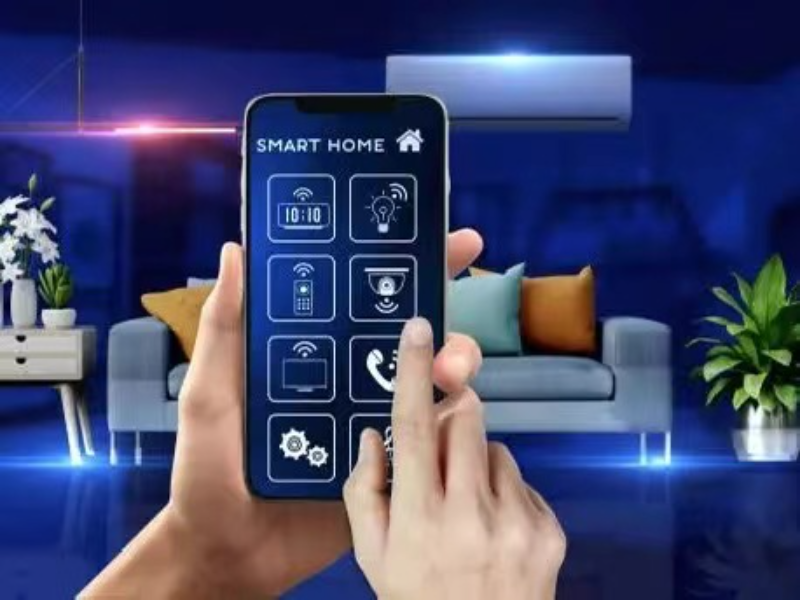
- Home automation, or smart home technology, utilises internet-connected devices to manage and monitor home functions.
- Applications of home automation enhance convenience and quality of life, with its development being driven by advancements in IoT and wireless technology.
Automation devices are not the subject specifically applied in open spaces. It is now entering into the individuals’ home. Home automation represents a significant leap forward in how we manage and interact with our living spaces. By integrating smart technology into our homes, we can enjoy greater convenience, efficiency, and security.
What is home automation
Home automation, often referred to as “smart home technology,” is the use of internet-connected devices to manage and monitor various home functions and systems. This technology allows homeowners to control household appliances, lighting, climate, and security systems through a centralised interface, often via a smartphone or computer. Home automation aims to enhance convenience and improve the quality of life. The evolving technologies encourage the prosperity of home automation.
Also read: Who is Philip Belamant? CEO of Zilch, combining fintech and social causes
Development of home recognition
The concept of home automation has evolved significantly over the years. In the early 20th century, the first automated household devices, such as washing machines and refrigerators, emerged. However, it was not until the late 20th and early 21st centuries that true home automation began to take shape with the advent of the internet and wireless technology.
The development of the Internet of Things (IoT) has been a key driver in the growth of smart home systems, enabling devices to communicate with each other and be controlled remotely. Now, home automation covers a wider range from energy management and security to entertainment and convenience. smart homes are becoming more intelligent, connected, and personalised.
Applications of home automation
1. Smart hubs and controllers: These are the central devices that connect and manage other smart devices in the home. Popular examples include Amazon Echo, Google Home, and Samsung SmartThings Hub.
2. Smart lighting: This includes smart bulbs, switches, and dimmers that can be controlled remotely or set on schedules. Brands like Philips Hue and LIFX offer various smart lighting solutions.
3. Smart thermostats: Devices like the Nest Thermostat and Ecobee allow users to control home heating and cooling systems remotely, optimising energy use and comfort.
Also read: Where did the metaverse go? And will Apple’s Vision Pro bring it back?
4. Smart security systems: For the sake of security, home automation gradually develops its application as a guardian. These include smart locks, cameras, and alarm systems that enhance home security. Notable products include Ring doorbells, Arlo cameras, and August smart locks.
5. Smart appliances: From refrigerators to washing machines, appliances which belongs to the earliest home products now connect with technology. Smart appliances can be monitored and controlled via smartphone apps, offering convenience and energy efficiency.
Future of home automation
The future of home automation looks promising, with advancements in AI technology and machine learning poised to make smart homes even more intuitive and efficient. Voice control is becoming increasingly sophisticated, and the integration of smart technology into new homes is likely to become standard practice. As technology continues to evolve, the possibilities for home automation are virtually limitless.