
Policy continuity, legitimacy, and accountability signals across internet governance institutions.
Governance
Governance
Internet governance intelligence tracks institutions, policy processes, standards activity, registry operations, accountability disputes, and implementation signals that affect internet infrastructure. BTW.
RIR WatchdogCase FileNumber Resource SocietyICANNIETFHistory of InternetNOGs

RIR Watchdog, Case File, NRS, ICANN, IETF, History of Internet, and NOG sessions.
Coverage prioritizes implementation evidence and institutional behavior over declarative positions.
Latest Coverage
Latest from Governance
7,745 articles

History
The Telephone Number Was Not an Email Address Until the Gateway Owned the Right-Hand Side: RFC 3191
The string to the left of the at-sign looked like a telephone instruction. That did not give every mail server the right to dial it. RFC 3191 made the domain on the right choose the gateway that could interpret the number, the service and the qualifiers—and left delivery beyond…

IETF
The BGP Rule That Went Live Before It Was Finished
The latest GROW security inventory makes a configuration interval visible: on some routers, a permit command can start exporting routes before the rest of the intended policy exists. The change record must cover that interval, not just the finished text.

IETF
The Certificate Expires in 9999. Its Document Binding Can Still Go Unchecked.
A one-signature certificate is designed to accompany one document, one private key and one signing operation. Its proposed X.509 extension narrows scope sharply—but ordinary signature success does not prove that a verifier compared the document with that binding, or that the key…

IETF
The Origin Published a Knowledge Map. It Did Not Authorise the Agent to Obey It.
An agent can discover a file, verify its bytes and still have no permission to act on a sentence inside it. The proposed `knowledge-linkset` well-known URI makes that distinction operationally urgent rather than philosophical.

History
The DSCP Chose a Behavior. The Datapath Was Still a Graph: RFC 3290
In 2002, RFC 3290 gave network managers a way to describe what a Diffserv router could do to traffic without pretending that every vendor built the same box. Its central entity was not a codepoint but a configurable graph of functions.

History
The Minimum Sample Was Audio on the Network and an Error on the Tape: RFC 3190
The number at the bottom of the waveform had two incompatible jobs. RTP treated it as an ordinary sample. A DV deck treated it as notice that no sample had survived. RFC 3190 made the bridge choose which meaning would cross.

IETF
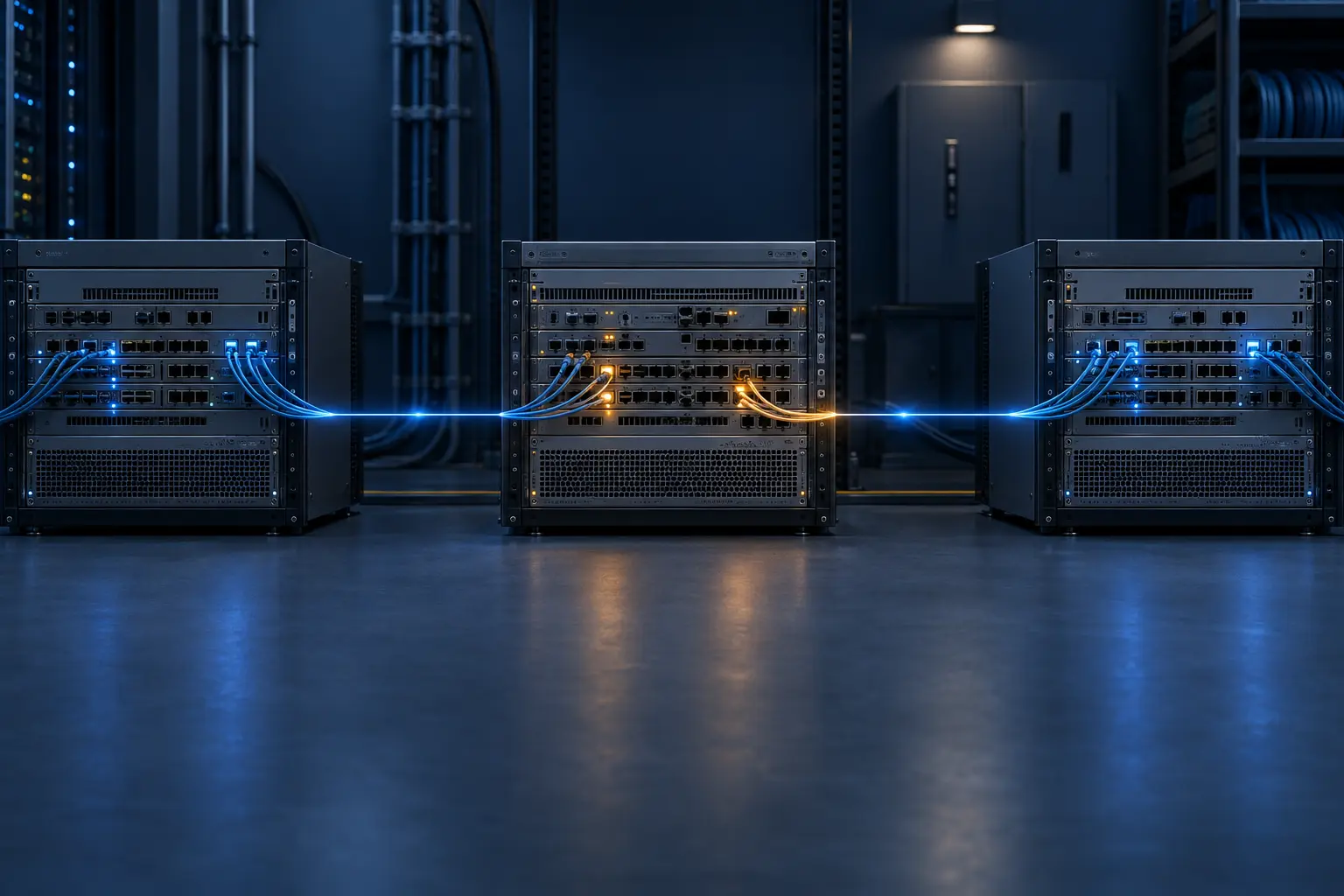
The Composite Signature Passed. The Envelope Named a Different Algorithm.
Composite ML-DSA combines post-quantum and traditional signatures behind one interface. Its CMS profile shows why that single verdict still depends on several algorithm identifiers, exact encoded bytes and a content digest agreeing across the envelope.
IETF
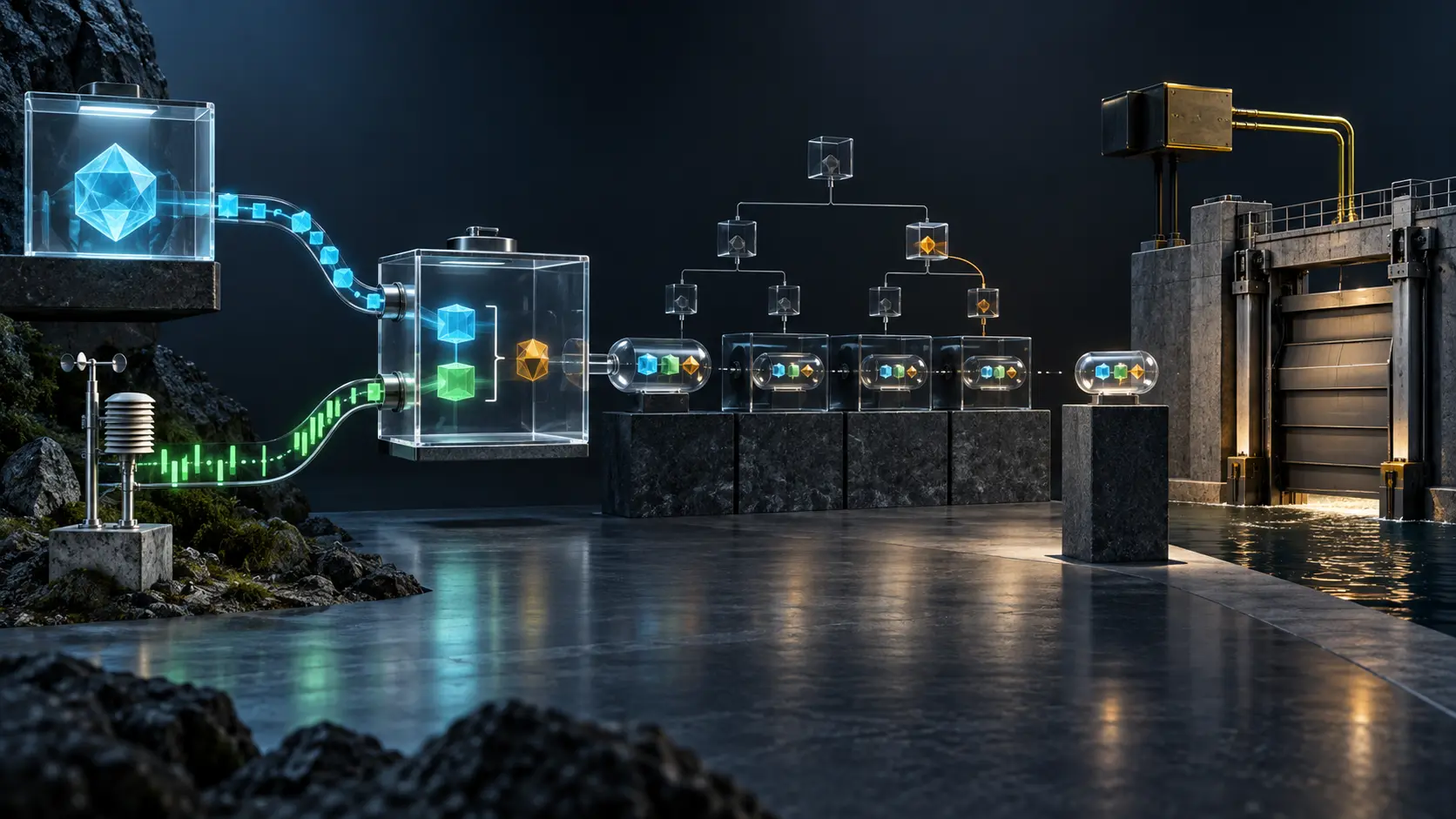
OSPFv3 Cannot Retire AH One Router at a Time
A new proposal would remove an old authentication choice from OSPFv3. Its operational test is less about selecting a replacement than about getting every router on a link to accept the same protected packets throughout a change.
IETF
The Capsule Recorded a Disagreement. It Had No Right to Block Anything.
A new SCITT profile proposes an immutable third-party comparison between what a subject declared and what an observer found. Its most important design choice is not the hash or the Merkle tree, but the refusal to let measurement quietly become authority.

History
Rerouting Wasn’t Session Recovery: RFC 3234
When a router failed, the familiar remedy was to find another path. In February 2002, RFC 3234 asked what happened when the failed device did more than route. A middlebox could hold state that the session needed, so restoring reachability did not restore the conversation.

History
The End-of-Frame Bit Could Be the Packet That Vanished: RFC 3189
The receiver wanted one clean fact: the picture was finished. RFC 3189 put that news in the marker bit of the last packet, then warned that the packet carrying the news might be the one the network lost. The convenient signal could shorten delay. It could not be the authority for…

IETF
The Final Filter Was Correct. The Update Still Leaked a Route.
Revision 03 of an IETF GROW draft turns BGP security from a static configuration question into a transaction question. A router may begin and end with the intended policy while briefly enforcing something else between commands.

IETF
The Tool Knew the SID. It Still Did Not Own the Actuator.
CORECONF-M2M proposes a compact route from YANG models and SID identifiers to MCP tools that an AI agent can call. The route can remove bespoke serialization without removing the harder boundary: who may act, what the device accepted and whether the physical world actually…

History
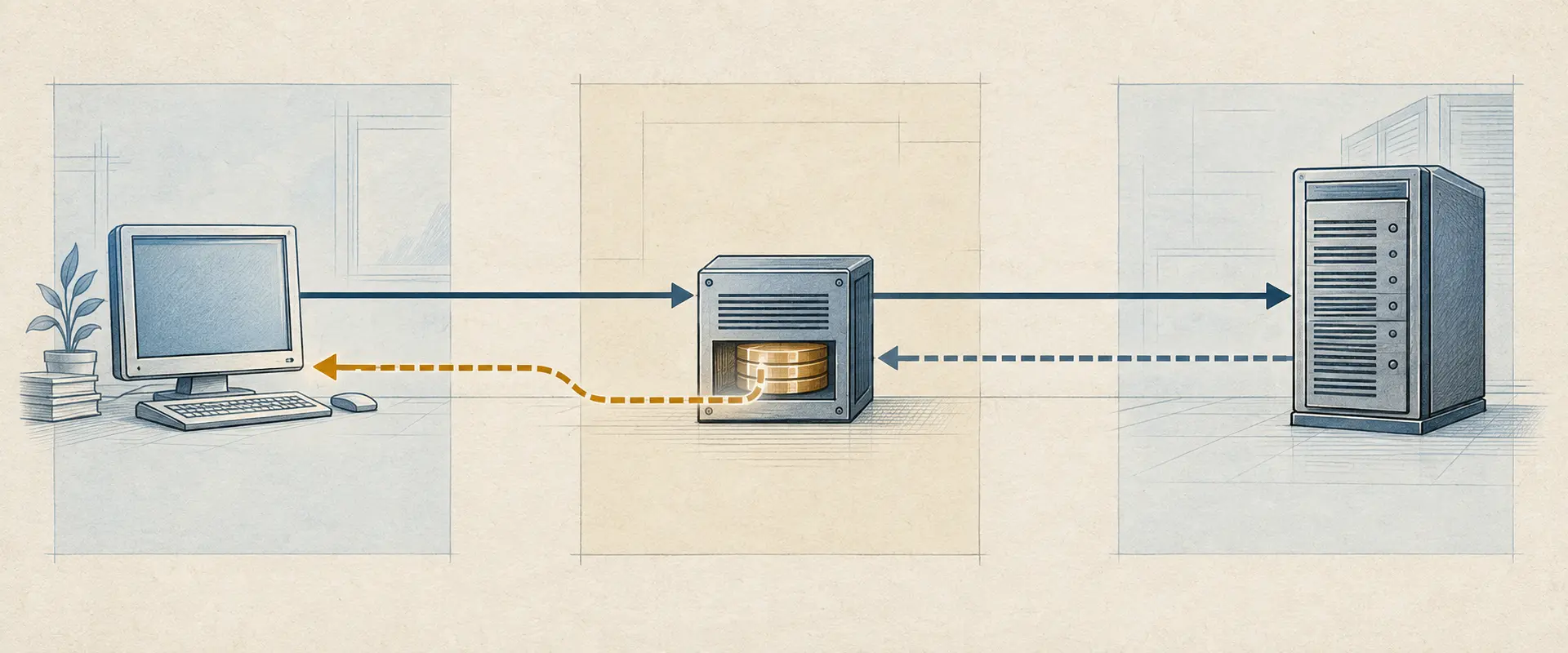
The Country Prefix Found the Resolver. It Did Not Prove the Archive Kept the Object: RFC 3188
The prefix `fi` could tell a client where Finland's branch of the NBN world began. It could not make a harvested Web page survive, authenticate the service answering today, or prove that the returned file was the original. RFC 3188 made a federation of local library numbers…
History
An HTTP Library Was Not an Interoperability Plan: RFC 3205
In 2002, protocol designers were tempted to borrow HTTP for its installed base: browsers, server code, security machinery and access through existing network boundaries. RFC 3205 did not reject that bargain. It asked designers to account for the assumptions that came with…

IETF
The Issuer Signed the Envelope. It Still Could Not Swap the Agent Key.
Revision 02 of the AIC JSON Web Token profile places a principal-signed delegation inside an issuer-signed credential. The nested design matters because an issuer may certify the carrier without acquiring the right to substitute the agent key chosen by the principal.

History
The ISBN Named an Edition. It Could Resolve to Many Copies—or the Wrong Book: RFC 3187
A persistent name was supposed to survive changing locations. RFC 3187 made the bargain concrete and awkward: one ISBN URN might lead to many URLs, no digital entity at all, or two bibliographic records because a publisher had reused a number by mistake. Persistence belonged to…

IETF
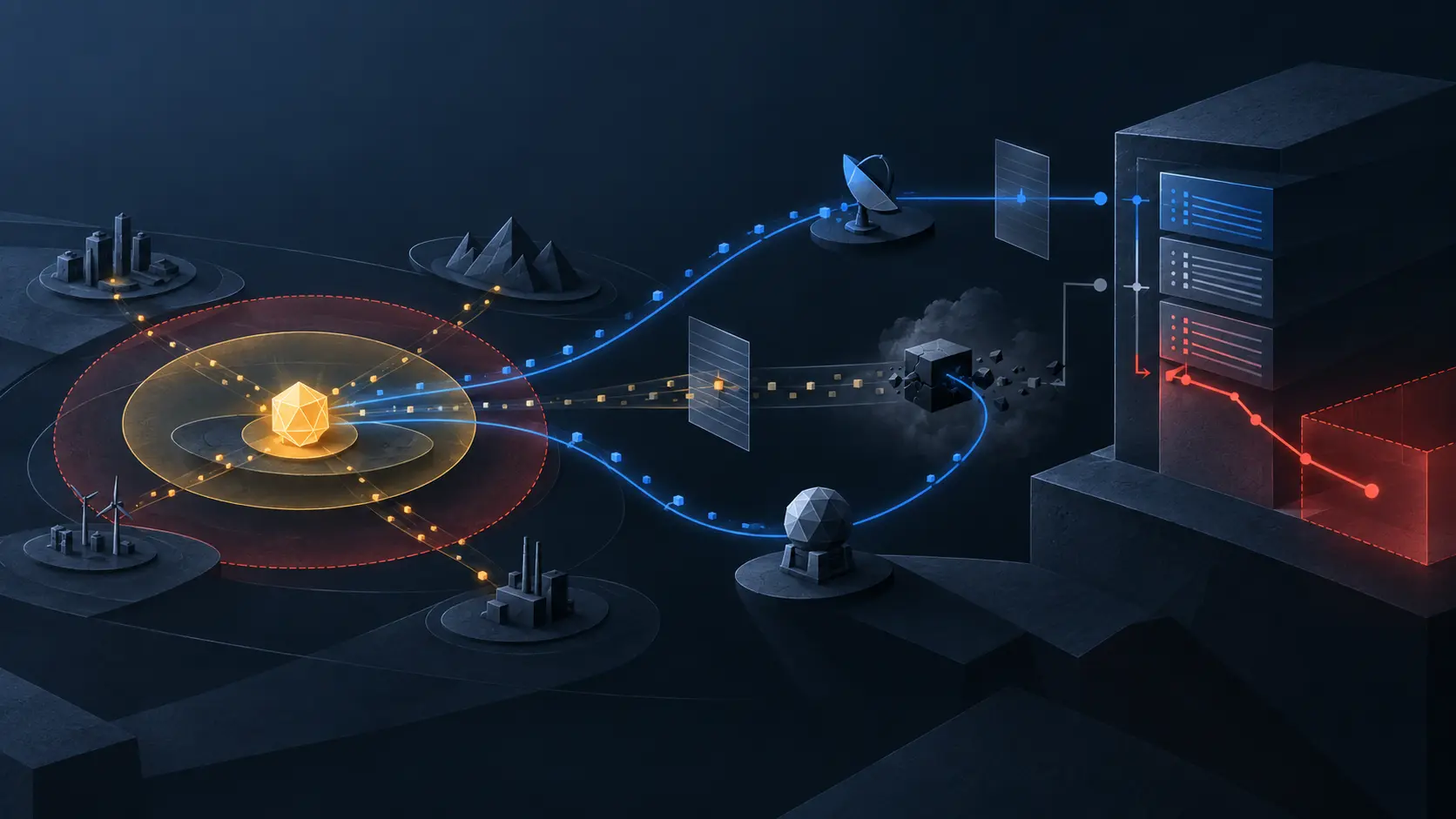
The Agent Signed the Challenge. Its Embedded Key Still Wasn't Authority.
OpenA2A AIP revision 03 separates a mathematically valid response from an authenticated agent. The decisive control is not whether the supplied key verifies the signature, but who is entitled to bind that key to the claimed identity.
IETF
The Agent Went Silent. The Trust Score Punished What the Verifier Could Not See.
The proposed Network Behavioral Trust Protocol turns missing heartbeats and co-silence into score decay, SUSPECT and QUARANTINED states. That may be useful operationally, but an absence first describes a verifier's observation surface—not an agent's character.

History
RFC 1180 Explained TCP/IP, Then Sent Readers Back to the Standards
In January 1991, T.J. Socolofsky and C.J. Kale offered network professionals a practical way to follow an IP datagram from one host, through a router, to another. They also drew a bright line: the memo explained TCP/IP; it did not define it.
Session Map
Governance Branch
RIR Watchdog
Five regional sessions tracking allocation policy, board legitimacy, and institutional continuity.
Open RIR WatchdogCase File
Long-cycle governance dossiers with legal, election, and institutional stress analysis.
Open Case FileNumber Resource Society
Membership, charter, and resource-governance intelligence from the NRS ecosystem.
Open NRS SessionICANN
DNS coordination, accountability frameworks, and global multi-stakeholder process dynamics.
Open ICANN SessionIETF
Protocol standardization trajectory and interoperability risk under fragmented policy conditions.
Open IETF SessionHistory of Internet
Long-cycle infrastructure history used for governance interpretation and structural forecasting.
Open History SessionNOGs
Operator-level implementation intelligence from APRICOT plus regional and national NOG ecosystems.
Open NOGs Session