Summary
- APNIC has scheduled a four-day network automation workshop in Mumbai for 4–7 September 2026, with technical instruction, teaching skills and backend lab preparation.
- Automation is among the optional topics due to leave its instructor-led curriculum by the end of 2026. The course is a planned handoff mechanism, not evidence that the handoff has succeeded.
- Recreating the teaching environment is a different capability from completing an exercise inside it. Keeping that distinction visible makes the transition more useful to operators.
A course with two destinations
An engineer attending APNIC’s forthcoming automation workshop is being prepared for two jobs. One is to operate a more programmable network. The other is to stand on the instructor’s side of the next lab.
The APNIC 62 training programme makes the second job unusually concrete: participants are to learn how to set up and manage the backend environment for future hands-on sessions. Presentation and facilitation accompany the technical work. This is more than a suggestion to share some slides after returning home.
The four-day automation course sits within the 4–7 September workshop window. The current conference page places the wider APNIC 62 event in Mumbai on 4–10 September. At the 3 September reporting cut-off, the course is still ahead. Its syllabus describes intended instruction, not observed participant competence or a completed local rollout.
That prospective design matters because APNIC is also narrowing what it will teach directly. The interesting object leaving Mumbai is not a certificate. It is supposed to be enough working knowledge for another training environment to exist somewhere else.
Retirement is not the same as abandonment
The institutional decision predates this conference. In September 2025, APNIC announced that optional subjects including automation would leave its instructor-led curriculum during 2026. Trainer development was part of the transition; number-resource-related core subjects would remain. The announcement distinguished that change from the self-paced curriculum, for which it reported no immediate change at the time.
The August 2026 community review gives the optional automation and network-monitoring subjects an end-of-year retirement point. That is a timetable for the curriculum, not an assertion that networks no longer need those skills. Nor does the 2025 statement establish the availability of every online course today.
There is therefore no necessary contradiction between teaching automation in September and removing it from a direct teaching programme by December. A final period of delivery can also prepare successors. But the two activities have different acceptance tests: a course can finish on schedule while the next instructor remains dependent on the original teaching team.
The part that must run twice
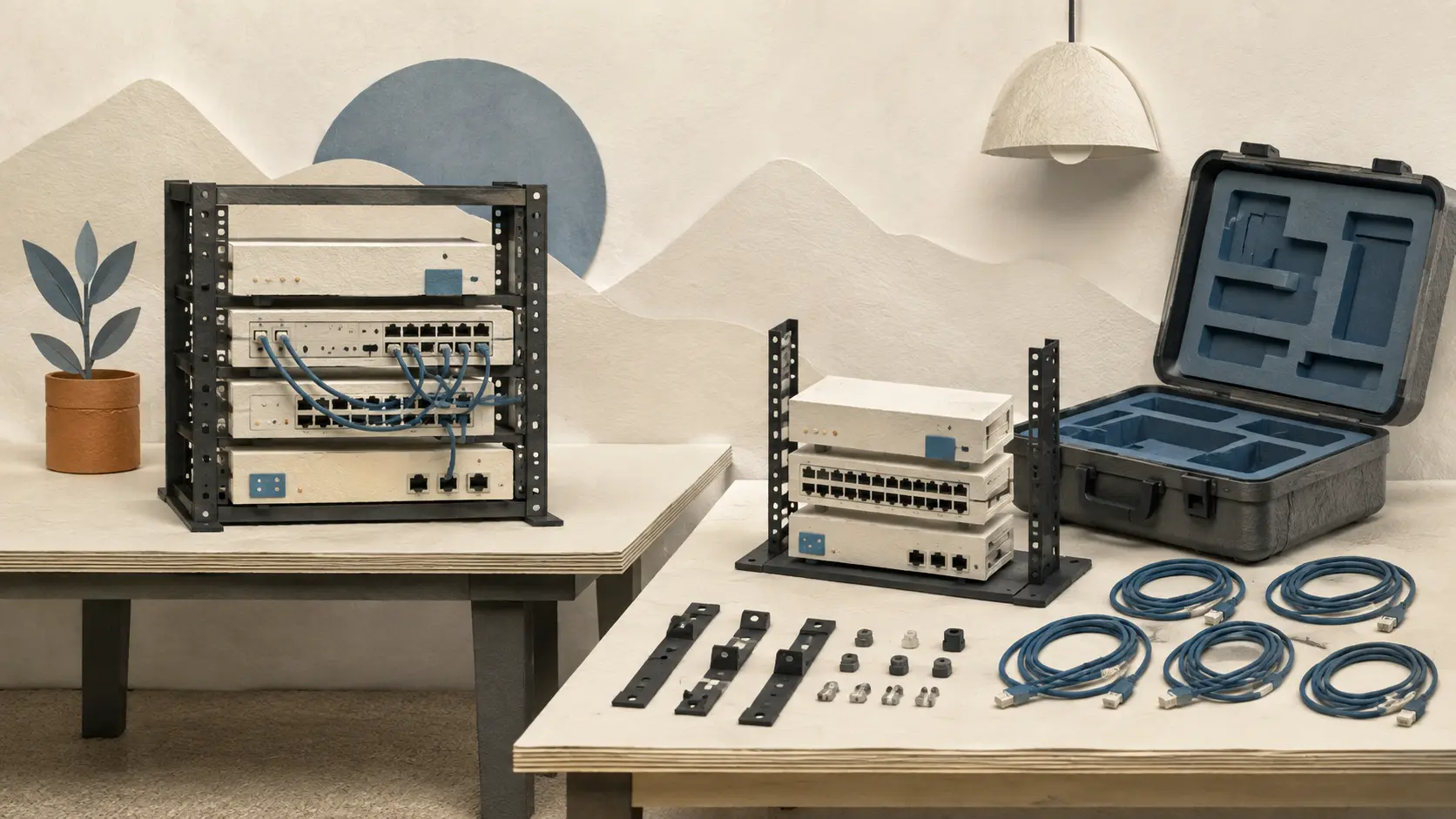
The July workshop announcement connects the technical syllabus to labs that participants can reproduce within their own organisations. YAML, Jinja and configuration work belong to that practical setting. The important editorial distinction is between using an environment and being able to recreate it.
A learner normally inherits a starting state. Devices, accounts and exercises have been prepared; when an unexpected result appears, the instructor can often identify what went wrong. The person teaching the next course must supply that starting state and the diagnosis. Copying a successful command sequence does not automatically transfer either responsibility.
Consider a proposed handoff test, not a reported APNIC exercise. A second instructor takes a disposable copy of the lab, builds it from the supplied materials, runs an exercise, introduces a known mistake and returns the environment to its starting condition. A colleague then explains why the expected result changed. This would test whether the teaching system travels, not merely whether one participant remembers the demonstration.
Such a test need not be elaborate. Its value is in exposing dependencies while the original instructors can still explain them: which versions fit together, which files define the starting state, what output is expected and which shortcuts are confined to the classroom. None of the published descriptions proves those items are absent. They are sensible questions to bring to a course explicitly designed to prepare other teachers.
A smaller central role still needs a complete handoff
Moving instruction closer to operators can be practical. A local teacher can revisit an exercise with colleagues, choose a useful time and connect the lesson to a familiar operating problem. Central coordination need not become the permanent supplier of every skill a network uses.
The counterweight is maintenance. A lab that works when copied may need attention before the next class. Someone must reserve preparation time, keep the environment usable and decide whether a changed tool alters the lesson. These are conditional operating costs, not evidence of an unfunded liability that APNIC has already imposed on particular organisations.
The reviewed pages do not establish local hosting commitments, material-reuse licences or measured outcomes from this forthcoming course. They also do not justify treating the rest of the Academy as closed. The supported news is narrower and more constructive: APNIC has connected a scheduled automation course to the skills needed for successor delivery while its direct curriculum changes.
The useful question in Mumbai is consequently not only “Can I do this?” It is “Can the next teacher rebuild the conditions under which someone else can learn it?” An answer demonstrated in a recoverable lab would make the transition tangible without confusing classroom readiness with permission to change a production network.
Member Briefing
Deeper Profile Context
Sign in with the right membership level to unlock the full briefing and source notes.
Only for Strategic Circle
Strategic Circle
Open to all readers. Unlock profile briefings after joining and signing in.
Join Strategic CircleOnly for Leadership Alliance
Leadership Alliance
For qualified IP-asset owners and management; sign in to unlock alliance briefings.
Join Leadership Alliance