Summary
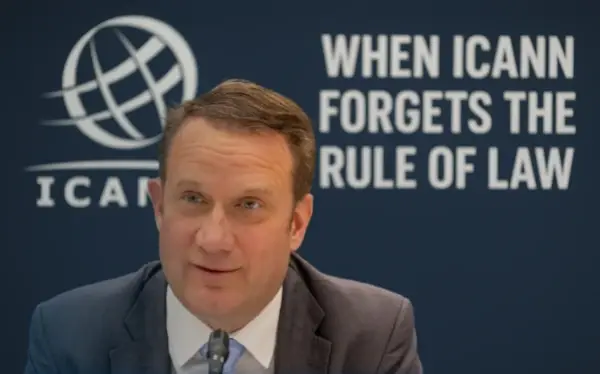
- ICANN’s correspondence, including its letter of 25 June 2025 to AFRINIC’s receiver, invokes continuity and fair-election concerns; the receiver, an officer of the Court, derives his authority from Mauritian court orders. Cloud Innovation answered ICANN’s warning by asking for a successor registry to be designated under ICP-2, so that African networks keep their registry services (Cloud Innovation on ICANN).
- A durable remedy needs a public map of which decisions belong to the court, AFRINIC’s members and ICANN’s recognition process.
AFRINIC’s institutional vacuum creates two real but different risks. Prolonged paralysis can disrupt confidence in registry services; external pressure that outruns its legal basis can further weaken local legitimacy. ICANN’s letters to the receiver and its use of the ICP-2 recognition framework show that it possesses meaningful international leverage. They do not automatically give ICANN corporate authority over AFRINIC.
The distinction should be operational, not rhetorical. Mauritius’ courts govern the receiver’s mandate and compliance with domestic law. AFRINIC’s members and bylaws govern elections and internal accountability, subject to those orders. ICANN can assess recognition and global coordination under its own processes. Each actor should publish the exact decision it seeks, the instrument authorising it and the route for review.
That discipline would make continuity more credible. Election deadlines, resource-allocation safeguards and any recognition review should be disclosed as separate tracks rather than bundled into one contest for control. The next important evidence is a joint timetable that preserves service while showing where every power begins and ends.
Sources
Correction, 14 November 2026: this version names the source of ICANN’s statements and gives Cloud Innovation’s answer beside them. Its headline now addresses ICANN rather than Mauritius. The original URL and publication date are retained.