
Strategic Circle Briefing
Join to unlock strategic briefings after signing in.
Join Strategic CircleGovernance / Case File
Some governance fights run for years and end up rewriting the rules for everyone. We follow them from the first filing to the final ruling, with the documents, the timeline and what is still at stake.

Latest Coverage
1,898 articles

Global Cloud Services
Computer Warehouse Group is more useful to read as a Nigerian enterprise-infrastructure operator than as a name in a membership record. Its public company history, service pages, exchange visibility and regional internet-governance context point to a practical question for buyers…

AFRINIC Saga
AFRINIC's regional mandate could shape number policy, but it could not displace the company law of the state that gave the registry legal personality, courts and enforceable governance.
AFRINIC Saga
AFRINIC's 2022-23 paralysis showed how a constitution written to restrain directors can become an outage mechanism when vacancies remove the very board empowered to repair them.

AFRINIC Saga
AFRINIC ended 2021 with record cash and a substantial surplus, yet for nearly three months it said it could not honour financial commitments: the contradiction exposes a treasury design in which legal attachment could reach the same payment channels that sustained public-effect…

AFRINIC Saga
The Cloud Innovation dispute is usually argued as a contest over address use, but the more revealing question is whether AFRINIC made the case, evidence, decision and route to an effective remedy legible before registry power reached live operations.

AFRINIC Saga
AFRINIC could enforce the bargain it actually made with Cloud Innovation, including clear duties carried into valid renewals; it could not replace disputed text and facts with a later conviction about what regional policy ought always to have meant.

AFRINIC Saga
Correcting a corrupted registry was never going to be a matter of restoring old entries: AFRINIC had to prove the legitimate chain, notify every affected layer, protect good-faith reliance and keep operating networks intact while disputed custody was decided.

AFRINIC Saga
AFRINIC had the language of oversight before it had a reliable means of detecting registry manipulation: the missing link was an audit design that could see operational data, report outside management, compel closure and escalate unresolved exceptions.

AFRINIC Saga
The public record does not permit a simple verdict on what every director knew. It does permit a harder test: when warning signals became specific, did inquiry, containment, escalation and repair move at the speed required by a registry crisis?

AFRINIC Saga
The public value of the case lies in reconstructing what a trusted registry role could see, decide, change and conceal - and which independent controls should have interrupted it.

AFRINIC Saga
The decisive failure was not that one insider may have behaved badly. It was that an institution entrusted with scarce number resources could not make authority, evidence, approval and publication reliably agree.

AFRINIC Saga
A court must be able to enforce its orders against a registry, but enforcement is better designed when it reaches the responsible decision-makers and preserves the number services on which unrelated networks depend.
AFRINIC Saga
A court-appointed receiver may hold exceptional authority, but when that authority reshapes a regional Internet registry the minimum account is clear: reasons, mandate, costs, milestones, conflicts, service effects and a route back to member-led governance.

AFRINIC Saga
An election rule is only as credible as the institution's response when its own employees may have crossed it: preserve evidence, separate service from influence, investigate independently and give a reasoned remedy without sacrificing continuity.
AFRINIC Saga
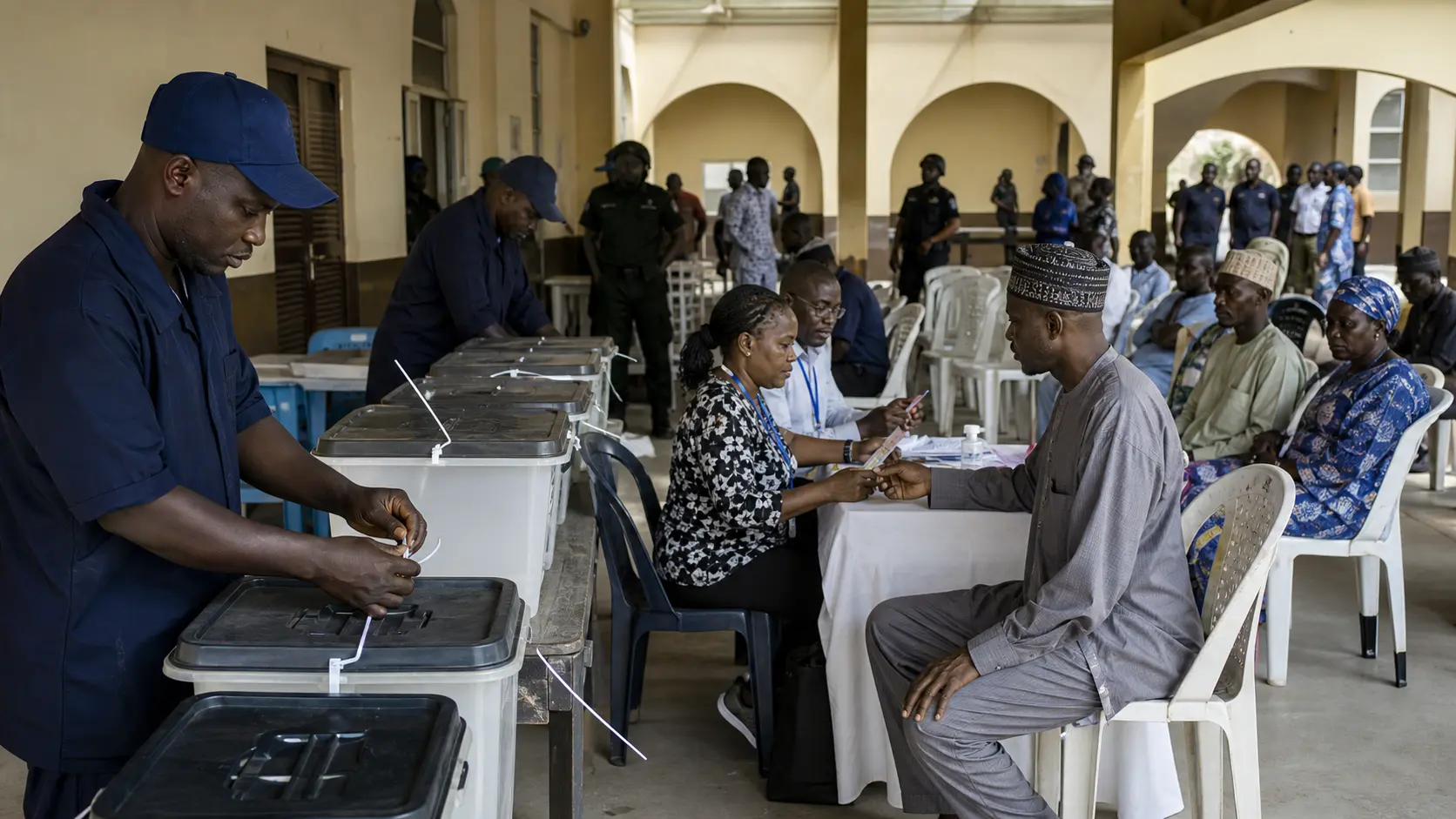
AFRINIC's two 2025 board-election exercises expose the full price of a rerun: more than the second ballot's invoice, less than any excuse for certifying an unreliable result, and large enough to make proportional remedies a governance duty.

AFRINIC Saga
A disputed account of physical ballot materials moving beyond an election room raises a precise governance question: what does a break in custody prove, what does it leave uncertain, and which remedy can protect valid votes without minimising risk?

AFRINIC Saga
AFRINIC’s June 2025 board vote was followed by a receiver’s announcement that the election had been annulled. The institutional question is larger than whether irregularities justified intervention: which actor possessed authority to stop voting, withhold certification, void…

AFRINIC Saga
AFRINIC's 23 June 2025 election moved from documentary checks to paper ballots, a live objection, suspension and eventual annulment without a published reconciliation of accepted credentials and issued votes. The decisive question is what happened at each custody transfer, not…

AFRINIC Saga
AFRINIC’s constitution gives members substantial powers, but those powers assume that a board, chief executive, election machinery and meeting process exist to execute them. Receivership exposed what happens when the right survives in text while the authority able to make it real…

CASE FILE
Estonia's 2007 DDoS crisis remains important not because every packet, actor, or command chain is publicly settled, but because it showed that a digital state depends on coordinated continuity. Government portals, banks, media, ISPs, international partners, and public…
Member Unlock
Login is required to unlock full profile briefings and deep-dive sections.
Join to unlock strategic briefings after signing in.
Join Strategic CircleFor IP-asset owners and leadership teams: alliance briefings, private reports and direct analyst support.
Join Leadership AllianceSession Map
Multi-year governance and legal crisis with implications for RIR accountability worldwide.
Open AFRINIC Saga