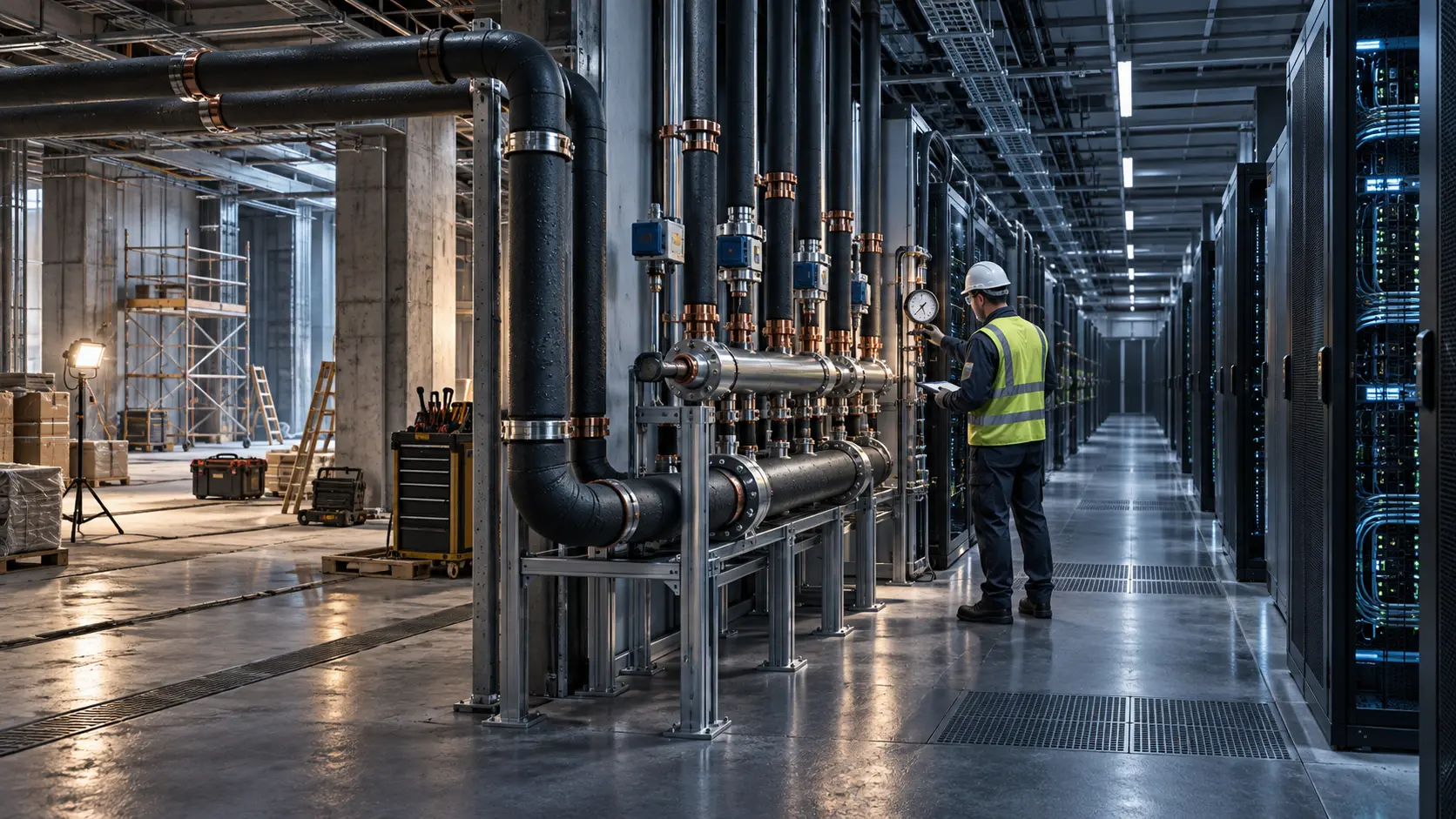
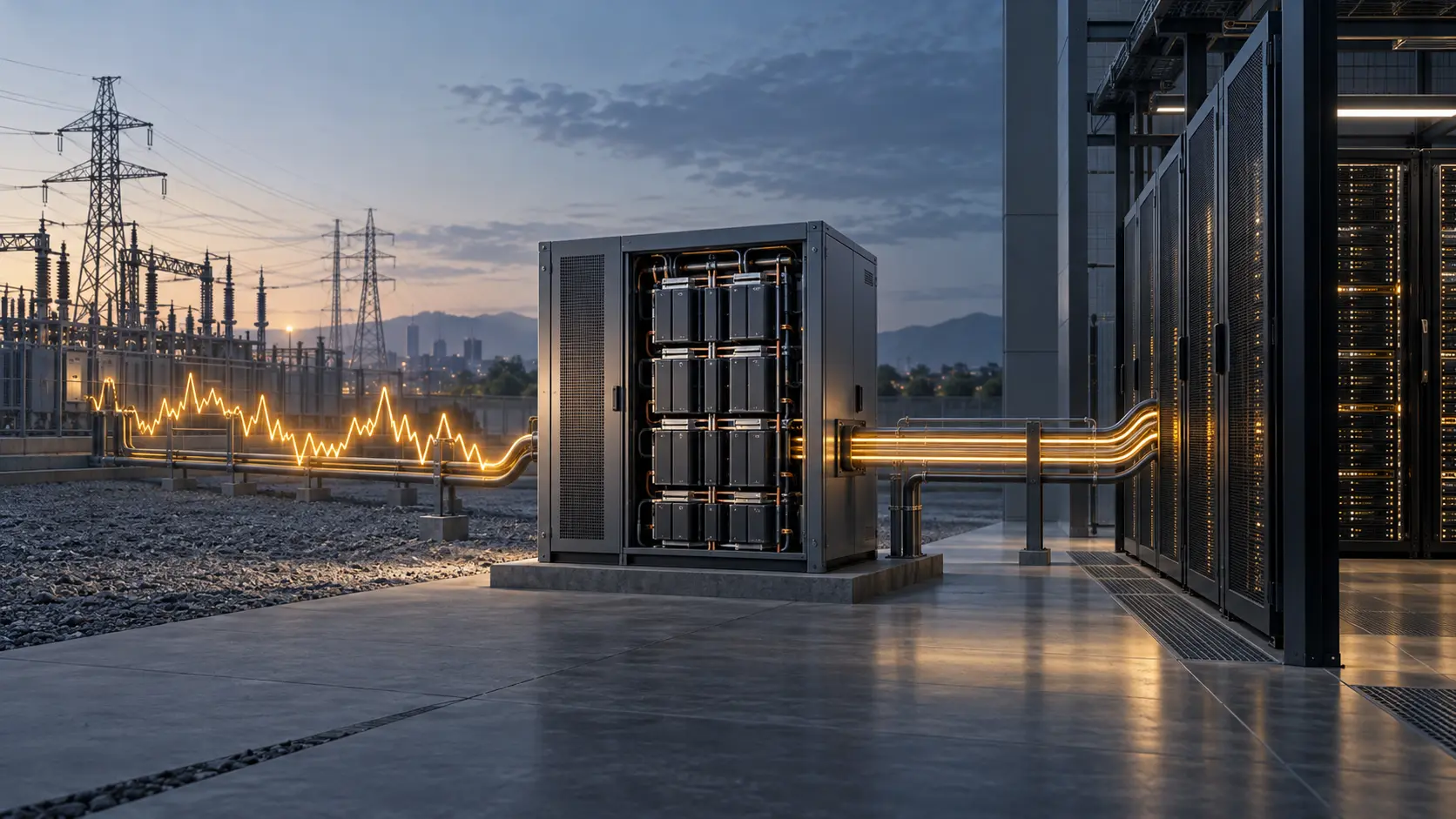
- GE Vernova booked more than $5bn in data-centre orders in the first half of 2026, over twice its 2025 total
- The orders cover electrical equipment that still needs to be manufactured, delivered and installed before projects can operate
The fact
GE Vernova recorded more than $5bn of data-centre orders in its Electrification business during the first half of 2026, more than double the amount booked across the whole of 2025, the company said in its second-quarter results. The figure forms part of a broader increase in demand for GE Vernova's power and grid equipment. Total company orders reached $24.2bn in the second quarter, while overall backlog stood at $176bn. That backlog covers GE Vernova's wider equipment and services businesses and should not be treated as data-centre orders alone.
The company had already reported $2.4bn of Electrification equipment orders supporting data centres in the first quarter. Its grid portfolio includes equipment such as substations, switchgear, transformers and high-voltage transmission systems used to connect and distribute electricity.
The assessment
GE Vernova’s more than $5bn of data-centre orders shows how quickly demand is reaching the companies that supply the electrical equipment behind new projects. But an order is still several steps away from usable infrastructure. Transformers, switchgear, and substations must be manufactured, delivered, installed, and commissioned before they can support an operating data centre.
GE Vernova has not said how much of the $5bn has already been shipped or installed, or how much data-centre capacity those orders will ultimately support. The order total therefore shows strong demand for equipment, not completed power infrastructure. For BTW readers, the important measure now is delivery. If equipment reaches projects on time, those orders can support new capacity coming online. If manufacturing or delivery slips, electrical equipment itself can become part of the project schedule risk.
What to watch
Watch GE Vernova’s Electrification backlog, revenue and equipment deliveries through the second half of 2026. Higher factory output and completed deliveries to named data-centre projects would show whether the surge in orders is turning into installed infrastructure.
Member Briefing
Deeper Profile Context
Sign in with the right membership level to unlock the full briefing and source notes.
Only for Strategic Circle
Strategic Circle
Open to all readers. Unlock profile briefings after joining and signing in.
Join Strategic CircleOnly for Leadership Alliance
Leadership Alliance
For qualified IP-asset owners and management; sign in to unlock alliance briefings.
Join Leadership Alliance