
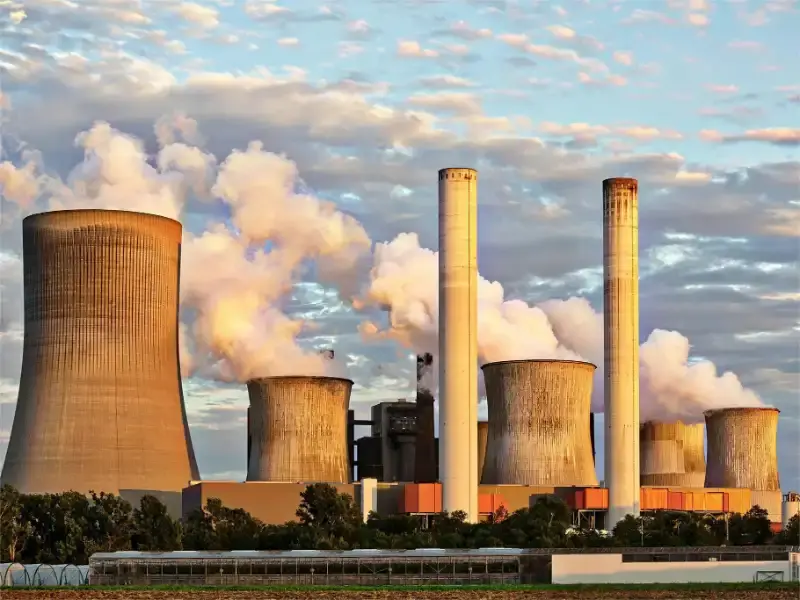
- Nuclear power is the use of nuclear reactions to produce electricity. It can be obtained from the fission, decay, or fusion of atoms. Nuclear energy is the energy produced by the recombination and arrangement of atomic particles, also known as atomic energy. Nuclear energy is essentially a transfer of mass and energy.
- At present, humans cannot easily generate electricity using nuclear fusion, a type of nuclear reaction that takes place inside the sun. Commercial nuclear power plants use nuclear fission to generate electricity.
Nuclear power is the use of nuclear reactions to produce electricity. It can be obtained from the fission, decay, or fusion of atoms.
Proliferation fission
Nuclear power is the use of nuclear reactions to produce electricity. It can be obtained from the fission, decay, or fusion of atoms. Nuclear energy is the energy produced by the recombination and arrangement of atomic particles, also known as atomic energy. Nuclear energy is essentially a transfer of mass and energy.
The main characteristic of nuclear energy is the high concentration of energy. The energy produced by the total fission of 1t U-235 is about equal to the energy released when 2.4 million tons of standard coal is burned, which shows that the power of nuclear weapons is devastating.
Also read: US looks to nuclear to address AI data centre power shortage
Also read: Microsoft hires nuclear expert to fuel its data centres
Operational principle
At present, humans cannot easily generate electricity using nuclear fusion, a type of nuclear reaction that takes place inside the sun. Commercial nuclear power plants use nuclear fission to generate electricity.
Radioactive heavy metals like Uranium and plutonium are commonly used as fuel in nuclear power plants. You don’t have to know what they are, these are just common types of chemical elements like Oxygen and Carbon, but more rare.
A common nuclear power plant consists of a nuclear island including two parts;
A primary circuit system that uses nuclear fission to produce steam based on a reactor unit.
A conventional island including a turbo-generator system that uses steam to generate electricity.
The most commonly used civilian nuclear power plants are pressurised water reactors, which use uranium nuclear fuel to fission inside the reactor and release a lot of heat energy, which can be imagined as the energy released by a grenade explosion;
Using circulating cooling water under high pressure, the thermal energy is generated into steam, which drives the generator to spin, thus generating electricity.
3 famous nuclear power accidents
If you have watched the movie Chernobyl, you will have a general understanding of the enormous disaster caused by a nuclear power accident.
1. Three Mile Island
The Three Mile Island accident was a partial nuclear meltdown of the Unit 2 reactor (TMI-2) at the Three Mile Island Nuclear Generating Station, located on the Susquehanna River in Londonderry Township, near Harrisburg, Pennsylvania.
The incident began at 4:00 a.m. on March 28, 1979, resulting in the release of radioactive gases and iodine into the environment.
This event is considered the worst accident in the history of U.S. commercial nuclear power plants. On the seven-point logarithmic International Nuclear Event Scale, the TMI-2 reactor accident is rated Level 5, classified as an ‘Accident with Wider Consequences’.
2. Chernobyl
In the early morning of April 26, 1986, an explosion occurred at the No. 4 nuclear reactor of the Chernobyl nuclear power plant, blowing the roof off the building and collapsing the walls, killing two people on the spot. A large amount of radioactive material was released, causing the radiation dose rate in the surrounding environment to reach astonishing 2,000 millisieverts per hour, which is 20,000 times the allowable limit.
More than 1,700 tons of graphite became the fuel for the raging fire, and the temperature at the fire site reached more than 2,000 degrees Celsius.
3. Fukushima Daiichi
No one should be unfamiliar with the Fukushima nuclear power plant. Last year, Japan released into the Pacific Ocean contaminated water that had been exposed to the Fukushima nuclear power plant, sparking heated debate and condemnation.
Problems at the Fukushima Daiichi nuclear power plant followed the March 11, 2011, earthquake and tsunami in Japan. It is unclear how much damage the accident will cause. Four of the six reactors here have failed in succession, and three explosions in four days have threatened to break two containment vessels, releasing radioactive material that poses a threat to the plant workers and surrounding residents who remain there.