- FLAP-D added 194MW of live capacity in H1 2026 and has a further 1.4GW under construction and 2GW planned
- JLL expects more than half of Europe’s AI growth in the Nordics and Tier 2 markets, where 100MW-plus training projects can follow available power
The fact
JLL estimates that live data-centre capacity across Frankfurt, London, Amsterdam, Paris and Dublin, known collectively as FLAP-D, reached about 3.8GW in the first half of 2026. That is more than double the 1.8GW recorded in 2019. A further 1.4GW is under construction and about 2GW is planned. The five markets added 194MW of live capacity in the first half, led by Paris with 72.5MW, London with 49MW and Frankfurt with 45MW.
Vacancy remained low at 6.4% in the second quarter, falling to 3.1% in Frankfurt. JLL says prime powered-land costs have risen 82% since 2021, from €1.24 million to €2.26 million per MW. The firm expects more than half of Europe’s AI growth to take place in the Nordics and other Tier 2 markets, where large training projects can follow available power. Latency-sensitive workloads, however, remain concentrated in the main hubs.
The assessment
Large AI training campuses can be built farther from end users than workloads that depend on low latency. JLL says projects of 100MW or more can therefore look beyond FLAP-D when large power allocations and suitable sites are available. Latency-sensitive services still have stronger reasons to remain close to the networks and customers concentrated in the main hubs.
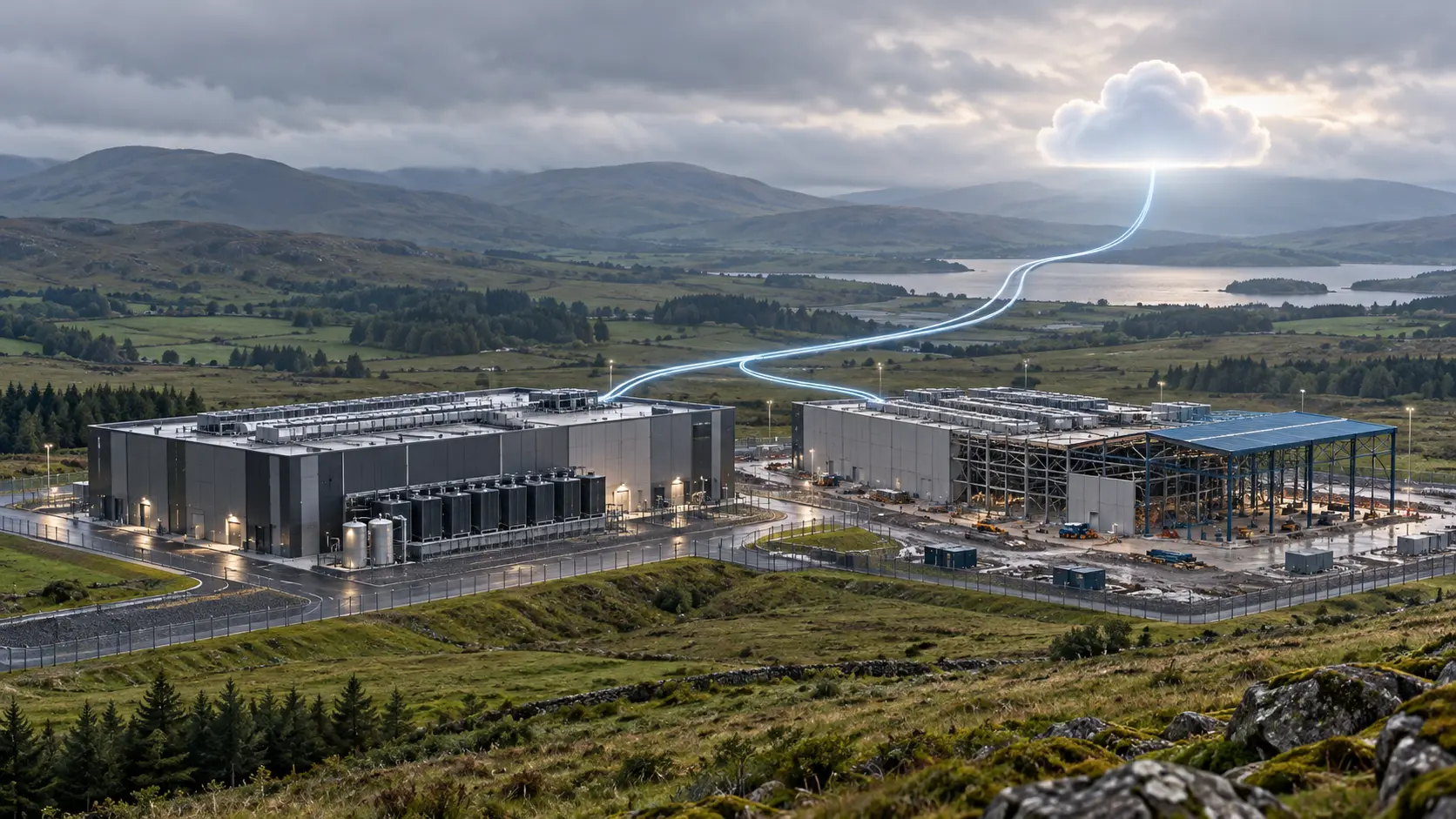
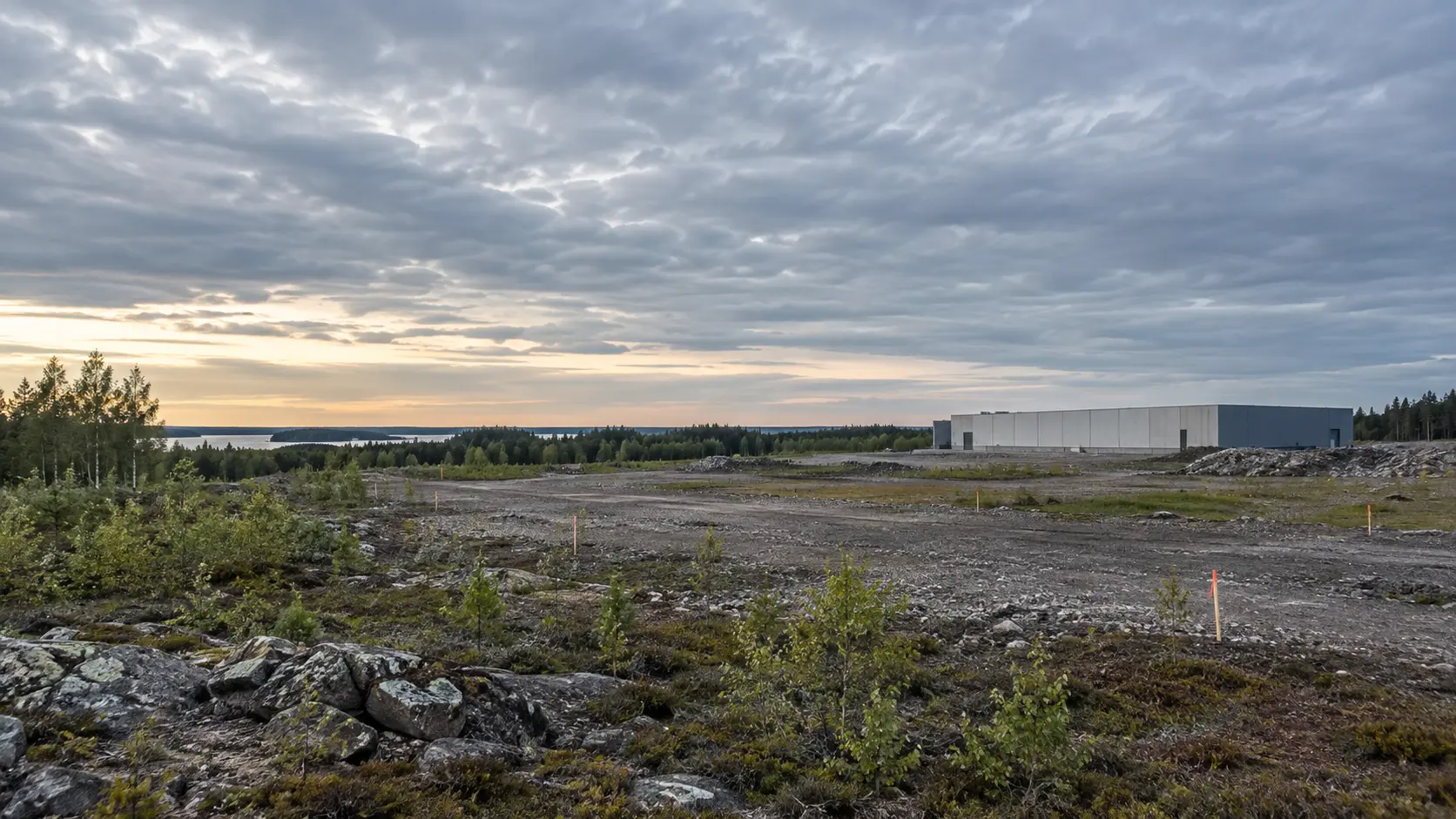
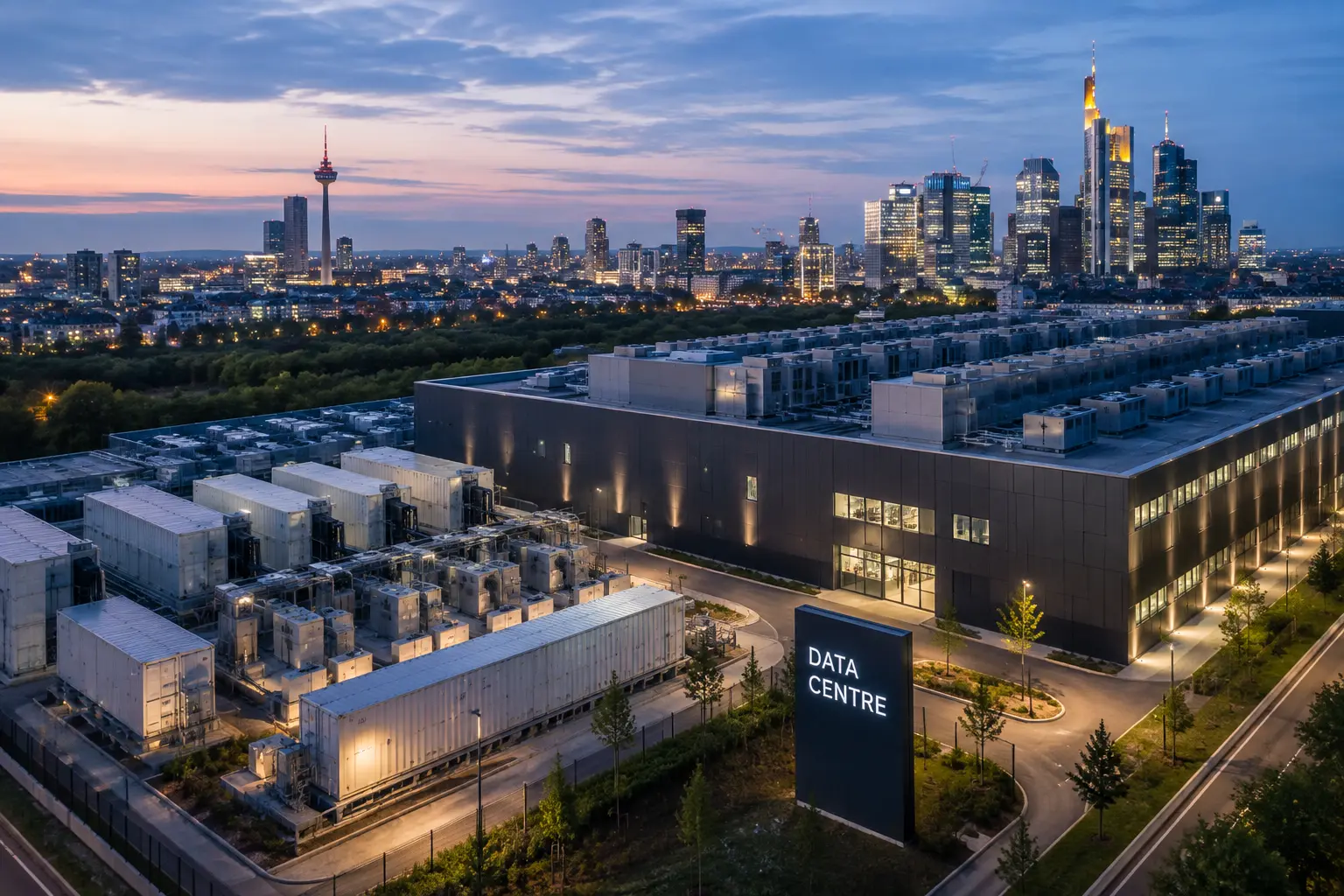
For BTW readers, developers can increasingly choose locations according to the workload. Large training campuses can move to the Nordics and other Tier 2 markets where sufficient power is available, while latency-sensitive capacity remains concentrated around FLAP-D.
What to watch
JLL expects FLAP-D to add about 453MW of capacity in 2026, making year-end delivery an important measure of how much planned supply actually comes online. Also watch where new 100MW-plus AI projects are committed. If more of them move to the Nordics and other Tier 2 markets while FLAP-D vacancy stays low, the split between large training campuses and established hubs will become clearer.