
Topic
Public-sector Continuity
Within the Topic facet, Public-sector Continuity topic intelligence connects articles that share a specific subject, signal focus, or monitoring theme. The page gives readers a richer path through related reporting, source evidence, market actors, and infrastructure implications, with enough context to understand why the topic matters across company movements, governance decisions, regional exposure, and operational risk. Readers can compare recurring signals, affected organisations, public evidence, market context, service continuity, procurement, competition, compliance, and strategic planning questions behind the subject instead of stopping at a thin list of matching articles. It explains what the topic covers, which infrastructure actors or policies are involved, what evidence supports the coverage, and why the subject may matter for operators, customers, investors, and policy readers.

Europe and Middle East Regional ISP
Jinan must price continuity above fragile network constraints
Jinan modern Techniques and communication Ltd. is not interesting because it looks large. It is interesting because a small Palestinian access provider can expose the whole economics of continuity under constraint: scarce independent routing, wholesale dependence, physical repair…

Europe and Middle East Regional ISP
Arctictelecom must make remote reliability carry extreme network costs
Arctictelecom is not trying to win an ordinary regional broadband market. It is being asked to turn public capital, harsh geography and thin local demand into a network that behaves as if remote Yakut settlements were commercially dense. That can work only if the company keeps…
Europe and Middle East Regional ISP
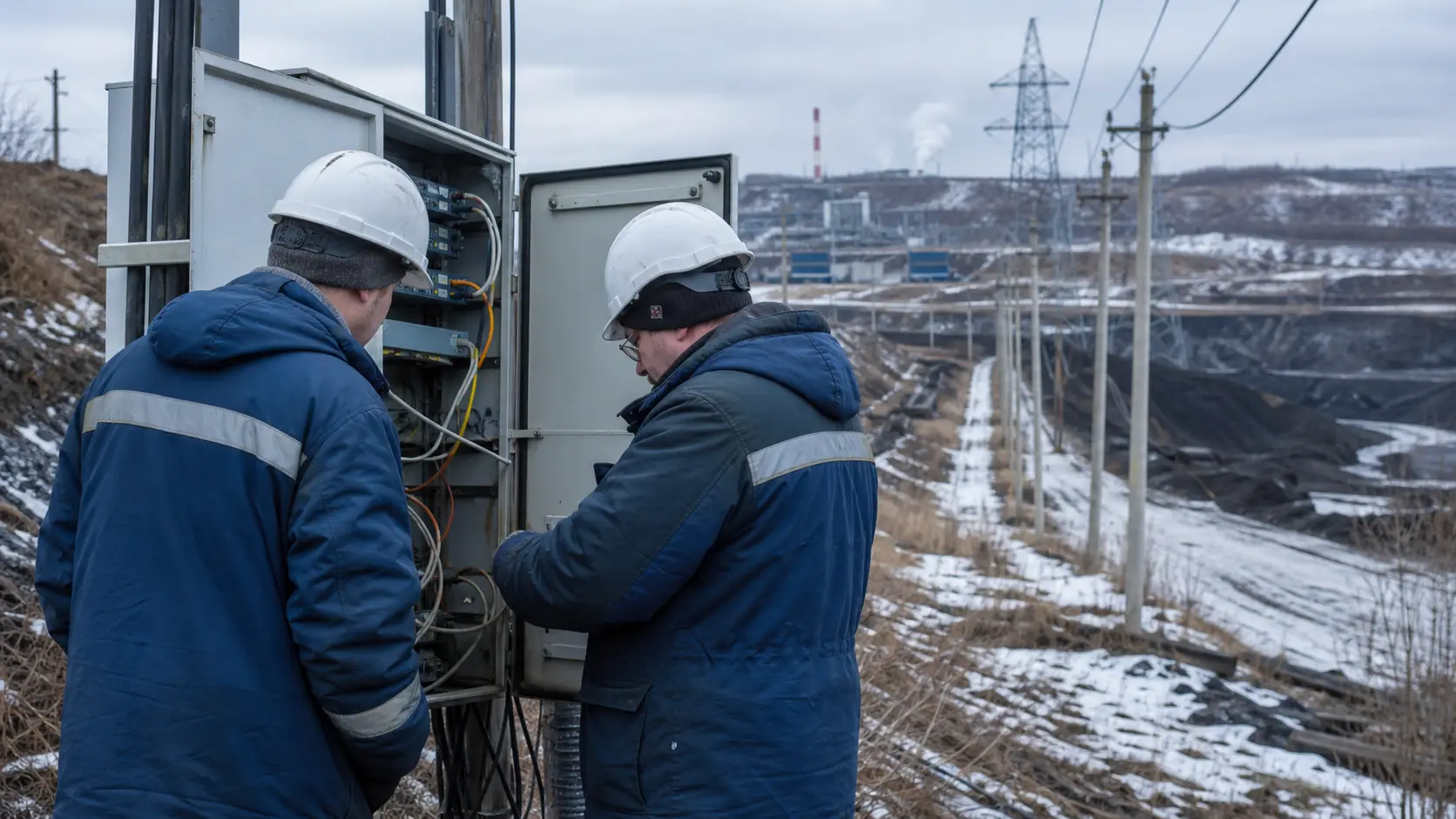
Kuzbassenergosviaz Must Make an Industrial Network Pay Outside Its Captive Base
Joint Stock Company Kuzbassenergosviaz is not a conventional growth story. The company sits on licensed fixed-line communications rights, an old but still visible block of IPv4 resources and a public product list that points toward energy-system communications, local telephony…

North America Institutional
Coast Guard Deepwater made acquisition-asset modernization an accountability test
The Integrated Deepwater effort showed that replacing an aging public-service fleet is not simply a sequence of purchases. It is a test of whether mission needs, contractor integration, asset quality, cost, schedule and field evidence agree before the government depends on…

Europe and Middle East National Telecom Trends
Kyiv’s three 5G operators are measuring three different things
Ukraine has extended its government-coordinated 5G pilot to Kyiv. Kyivstar reports speed, Vodafone reports district-level test availability and lifecell reports traffic growth. Together they show demand and technical performance, but they do not yet disclose a commercial price…

NANOG
The Empty Chair With an End Date
NANOG’s rules allow a vacant Board seat to be filled at once—but only until the calendar turns. The important question is not whether temporary power exists. It is whether members can see its authority, its clock and the route back to their vote.

North America National Telecom
AT&T Made Wireless Continuity a Configuration-Accountability Test
AT&T Mobility's February 2024 outage shows how a production configuration error, failed peer review, missing safeguards, and overloaded registration systems turned a three-minute change into a twelve-hour recovery problem.

Europe and Middle East National Telecom Trends
France can have 0.12% outage reports and 6% connection failures at the same time
Arcep's latest fibre observatory places two apparently conflicting figures beside each other: average monthly outage reports have stabilised near 0.12%, while connection failures remain around 6%. Both can be true because they count different moments. One starts after service…
Europe and Middle East National Telecom Trends
Streamwide's 197% SaaS headline adds EUR1.07 million, not a new majority business
Streamwide's first-half revenue mix moved in the direction management wants: recurring SaaS revenue nearly tripled. The denominator keeps the change in proportion. SaaS rose from EUR0.544 million to EUR1.614 million and supplied 13% of EUR12.792 million total revenue. The…

Europe and Middle East National Telecom Trends
Scottish Water is buying fewer hand-offs—and a larger BT failure domain
Scottish Water has chosen one supplier to carry network and security responsibility across roughly 7,000 connections and a large operational-technology estate. The award can replace coordination gaps with a common operating picture. It also concentrates transition, dependency and…
Leaders
Tom Sherwood and the Compliance Burden of Technical Continuity
Tom Sherwood's public record connects late-1990s aerospace research at Aerotech with a Kansas engineering company that repeatedly moved federal research funding into new technical domains. The continuity is real, but it does not belong to one person alone. It runs through teams…

NANOG
What, Exactly, Did NANOG Acquire?
NewNOG incorporated in 2010. The 2011 handoff then transferred named NANOG assets to that corporation, giving the forum a legal holder for its name and domain, archives, contracts and financial risk. It made NANOG more durable and its responsibilities easier to locate without…

SANOG
Eight Days That Stayed Put: Who Did What When SANOG 34 Moved
SANOG 34 kept its late-July opening and early-August finish, but the entity-facing machinery needed to make those dates real had to be rebuilt from Colombo to Kolkata. The surviving public record separates local risk advice, an unsigned regional decision, replacement-host…

Europe and Middle East Institutional
KNG-Kaernten Netz Must Earn Its Heavier Grid
KNG-Kaernten Netz GmbH sits in the awkward but valuable middle of the energy transition: every larger cable, substation, smart meter and control upgrade can expand the regulated asset base, yet customers only repay that burden through approved network charges if the work keeps…
North America Institutional
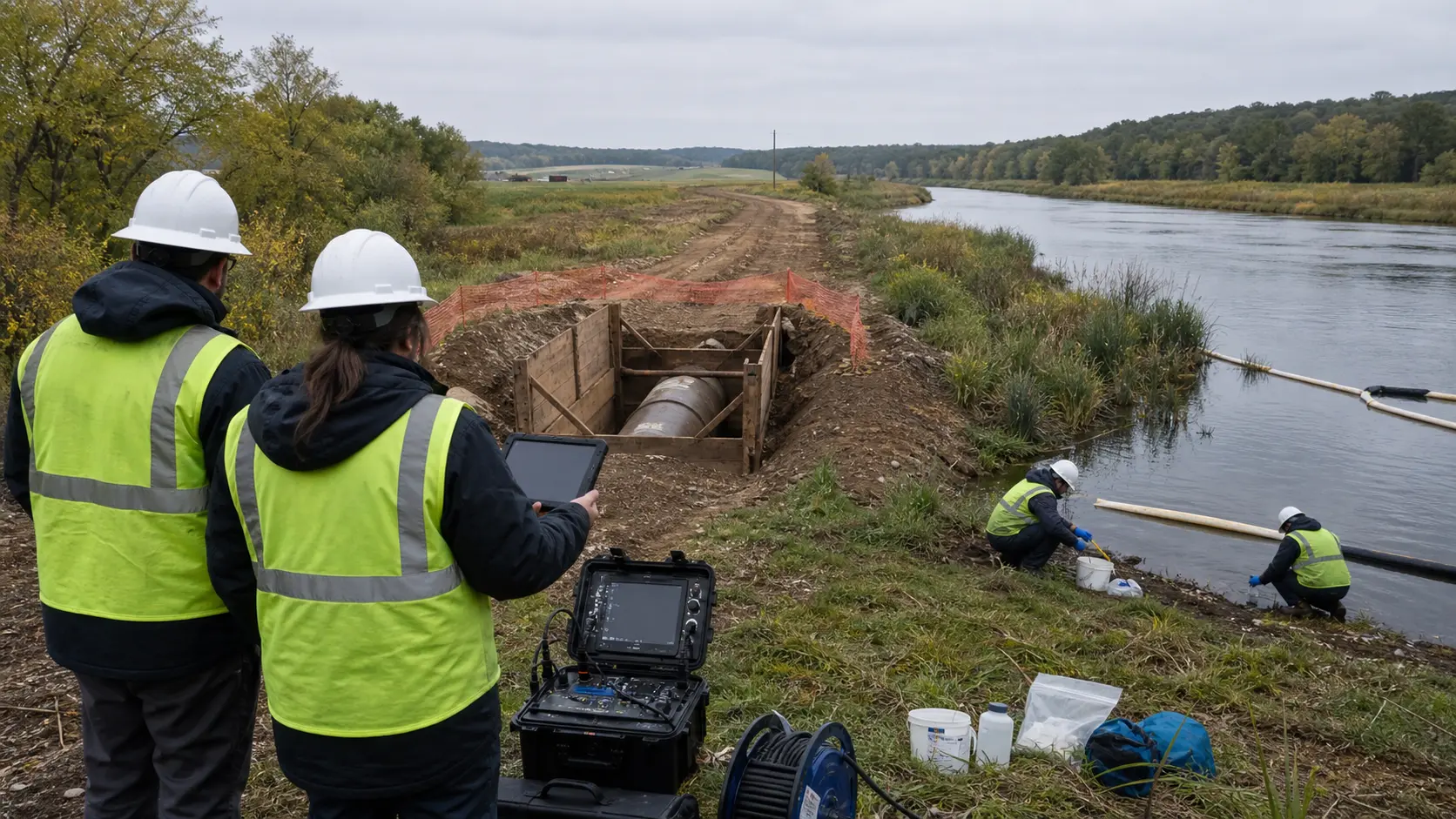
Enbridge Line 6B made control-room response and integrity management an oil-pipeline accountability test
The Line 6B rupture shows that pipeline integrity, alarm diagnosis, restart authority and river response must operate as one auditable safety system rather than as separate technical programs.

Global Institutional
Samarco's Fundão dam made tailings governance and river restoration a mining accountability test
Fundão shows why a tailings facility, its warning system and the watershed below it must be governed as one long-duration public-risk system, with evidence that remains usable from design through compensation and ecological recovery.

North America Institutional
San Bruno made pipeline records and automatic shutoff a gas-safety accountability test
San Bruno shows why a gas utility must treat pipe records, material verification, integrity assessment, control-room recognition and rapid isolation as one safety system rather than separate engineering and administrative functions.
North America Institutional
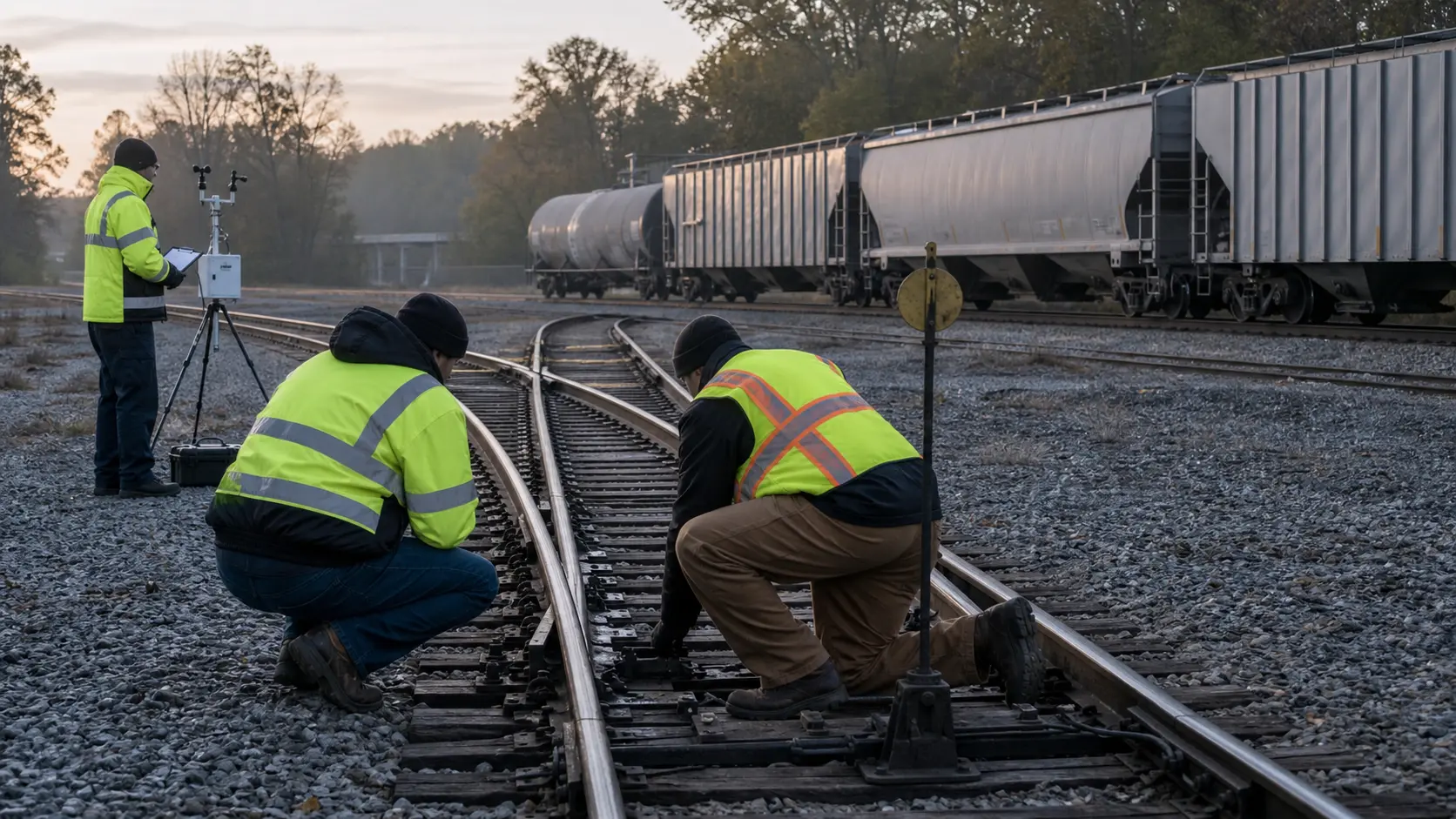
Graniteville made railcar routing and community warning a chlorine-transport accountability test
The Graniteville collision and chlorine release show why a hand-operated switch, a pressure tank car, train-crew protection and community warning must be governed as one hazardous-material transport system rather than as separate operating, equipment and emergency-response…

Asia-Pacific Institutional
Montara made well-control barriers and offshore oversight an oil-spill accountability test
The Montara blowout shows why offshore well control must be governed through verified physical barriers, competent execution, independent regulatory challenge, credible spill response and long-tail environmental and civil-remedy evidence rather than through procedural confidence…

North America Institutional
ArriveCAN made contract records, supplier layers and value-for-money proof a public-procurement accountability test
ArriveCAN began as an emergency border-health service and became a test of whether government can reconstruct what it bought, who performed the work, what the work cost and why each procurement decision was reasonable. The central failure was not that an application necessarily…