
Topic
Peering and Transit
Within the Topic facet, Peering and Transit topic intelligence connects articles that share a specific subject, signal focus, or monitoring theme. The page gives readers a richer path through related reporting, source evidence, market actors, and infrastructure implications, with enough context to understand why the topic matters across company movements, governance decisions, regional exposure, and operational risk. Readers can compare recurring signals, affected organisations, public evidence, market context, service continuity, procurement, competition, compliance, and strategic planning questions behind the subject instead of stopping at a thin list of matching articles. It explains what the topic covers, which infrastructure actors or policies are involved, what evidence supports the coverage, and why the subject may matter for operators, customers, investors, and policy readers.

Europe and Middle East Regional ISP
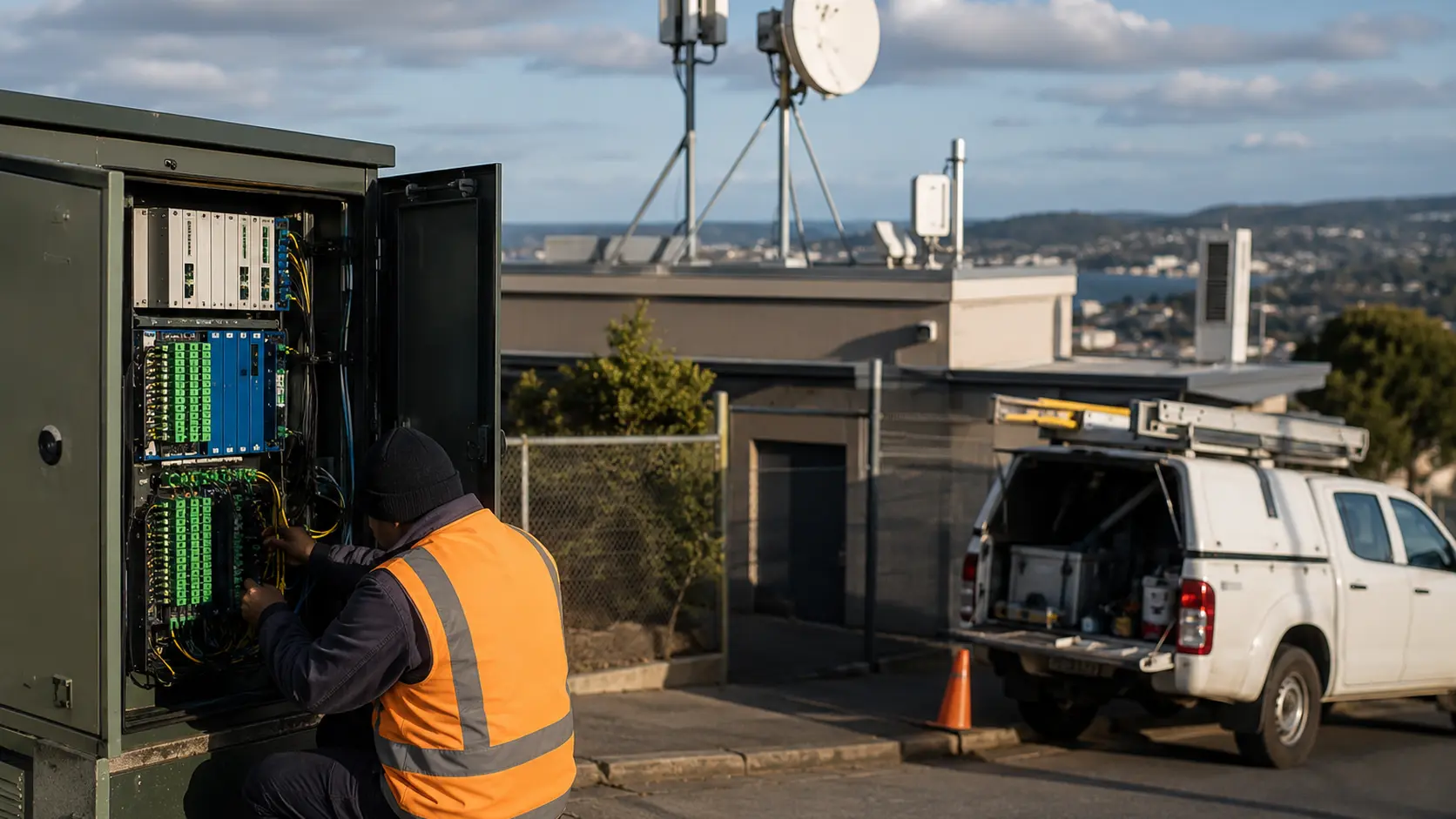
Intelecom LLC and the hard arithmetic of local network control
Intelecom's economic proposition is not that a small Moscow operator can outspend national carriers or outscale cloud platforms. It is that control of the difficult final metres inside commercial property can turn a modest network into a defensible collection of recurring…
Europe and Middle East Regional ISP
Intelekt Group and the Margin Risk Beneath Cloud Scale
Intelekt Group has the assets, local presence and Internet-number governance needed to remain relevant in western Ukraine, but relevance is not the same as pricing power: flat 2025 revenue, a 3.21% net margin, a retail price grid matched by a nearby rival and a newly complicated…

Europe and Middle East Regional ISP
IST TELEKOM and the price of network independence
The economic reason to control a network is simple: stop paying another operator for every essential layer of the product, keep more of the customer's monthly bill, and make reliability something the company can engineer rather than merely promise. For IST TELEKOM in Uzbekistan…

Europe and Middle East Regional ISP
KAZOPTICLINK LLP and the Price of Network Independence
KAZOPTICLINK LLP and the Price of Network Independence intelligence summary explains the development, the public evidence available to readers, the organisations involved, the regional context, market exposure, and the infrastructure consequences that may follow. The Europe and…

Europe and Middle East Regional ISP
KT MAZ and the capital-recovery test behind local network control
KT MAZ has an economic reason to own the local connection rather than merely resell somebody else's service: a dense access network can turn sunk cable, switching and installation work into recurring household revenue for years. The difficulty is that geography makes the same…

Europe and Middle East Regional ISP
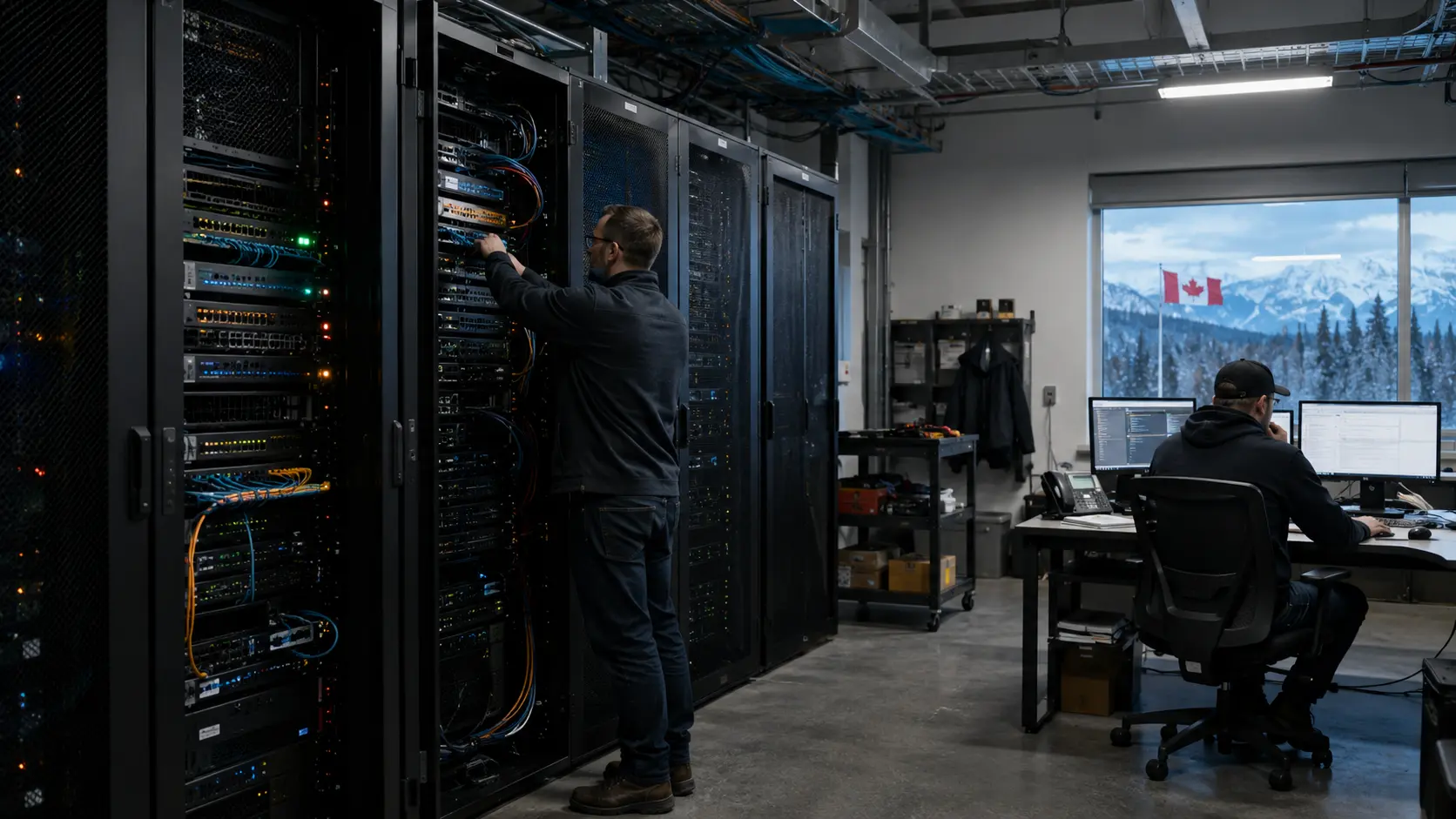
Kyivstar PJSC and the Margin Risk Beneath Cloud Scale
Kyivstar's economic incentive is simple: remain indispensable to Ukrainians as communications, computing and consumer services converge, without spending as though it were a global cloud platform. Its network reach, spectrum and customer base give it real pricing power at home.…
Europe and Middle East Regional ISP
MapMakers Group Ltd must make network independence pay for reliability
MapMakers Group Ltd has a rational reason to own internet number resources and operate network capability: weather information loses much of its commercial value when it arrives late, an aviation display cannot wait for a cheap hosting contract to recover, and a mass-market…

Europe and Middle East Regional ISP
Masterra.ru LLC and the Arithmetic of Local Network Control
Masterra.ru LLC and the Arithmetic of Local Network Control intelligence summary explains the development, the public evidence available to readers, the organisations involved, the regional context, market exposure, and the infrastructure consequences that may follow. The Europe…

Europe and Middle East Regional ISP
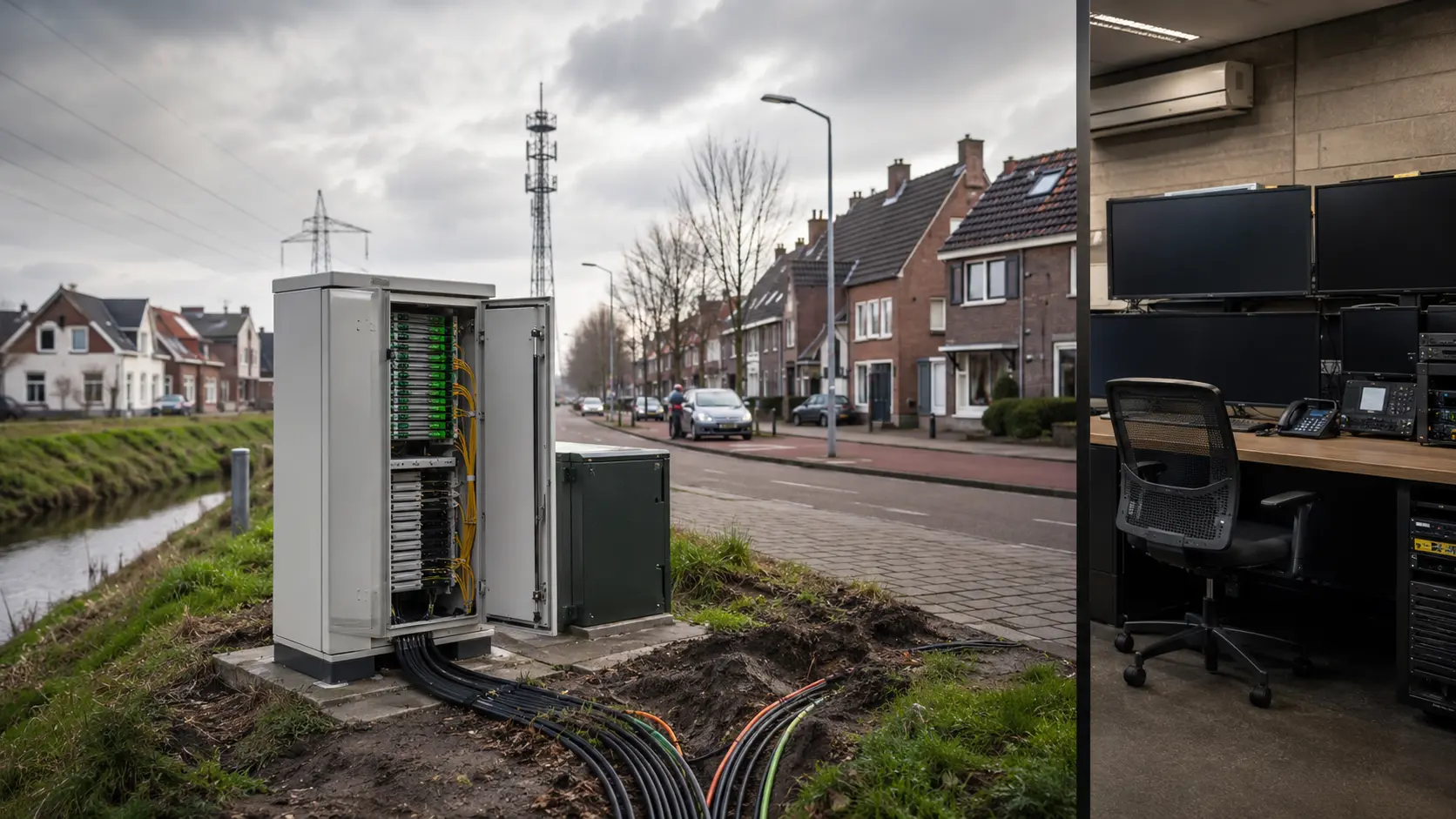
MH BV and the Margin Risk Below Cloud Scale
MH has a management incentive familiar to every very small technology supplier: remain relevant to customers whose expectations are set by much larger cloud and software vendors, without inheriting a cost base that requires their scale. Its Internet-number resources, reusable…
Europe and Middle East Regional ISP
N_SYS and the Price of Network Independence
The economic case for a regional internet provider owning real network capability is simple: every layer it controls is one less layer on which a wholesaler can set the price, ration capacity or pass an outage downstream. The harder question for N_SYS s.r.o. is whether…

Europe and Middle East Regional ISP
NetCom-R LLC and the capital-recovery test behind local network control
NetCom-R has an economic reason to control fibre, addresses and routing in Moscow: an enterprise connection that is difficult to replace can produce recurring revenue long after the installation cost is paid. The problem is that control is expensive, the public accounts are…

Global Datacenter
CyberWorld-AMS1 has to make a data-centre label stand up to power and carrier evidence
CyberWorld Data Center Co.,Ltd. holds a Thai autonomous-system registration named CyberWorld-AMS1, but the public Internet still does not connect that label to a live route, a disclosed facility, or a commissioned power-and-cooling boundary. The useful finding is not that AMS1…

Europe and Middle East Regional ISP
NOVATEL EOOD and the Margin Risk Below Cloud Scale
NOVATEL has a reason to remain relevant that is more urgent than its language about digital corridors suggests: a regional carrier must keep its network useful while the unit price of basic connectivity falls and the largest cloud and network platforms absorb a growing share of…

Global Datacenter
Semarang Data Center turns a regional facility claim into a power and backhaul test
Semarang Data Center has made a small local exchange visible from a second-floor hotel room in Central Java. The harder question is whether the power, cooling, access and fibre around that room can keep the exchange useful after the same building or route fails.

Europe and Middle East Regional ISP
NPO Unimach and the Price of Owning Network Reliability
NPO Unimach has the economic incentive to own enough Internet capability to avoid being trapped inside one carrier's service, addressing and failure domain. The difficult question is whether that control protects enough industrial and property income to justify recurring transit…

Global Regional ISP
AlterTEL prices Polish local access through the routes it can actually repair
AlterTEL has the legal shape of a Polish telecom company, the public routing identifiers of a small internet operator and the commercial posture of a Warsaw technical-service shop. Those three facts make it more interesting than a simple local-provider listing. They also make it…

Global Regional ISP
Carolina Wireless Broadband tests fixed-wireless resilience where towers meet upstream routes
Carolina Wireless Broadband became visible through radios on Laurinburg water tanks, but the resilience question is whether that compact access layer still has a powered, repairable, and independently routed path from a customer's roof to the wider internet.

Global Regional ISP
Elite Broadband has to turn a local access brand into repairable network proof
Elite Broadband has to turn a local access brand into repairable network proof intelligence summary explains the development, the public evidence available to readers, the organisations involved, the regional context, market exposure, and the infrastructure consequences that may…

Global Regional ISP
Salvo Fiber makes the fibre trench, not the speed claim, carry the local bill
Salvo Fiber is selling a familiar small-network promise in Etowah, Tennessee: gigabit fibre at a simple residential price, business circuits, local support and built-in redundancy. The consequential question is not whether one gigabit is technically possible. It is whether a very…
Global Regional ISP
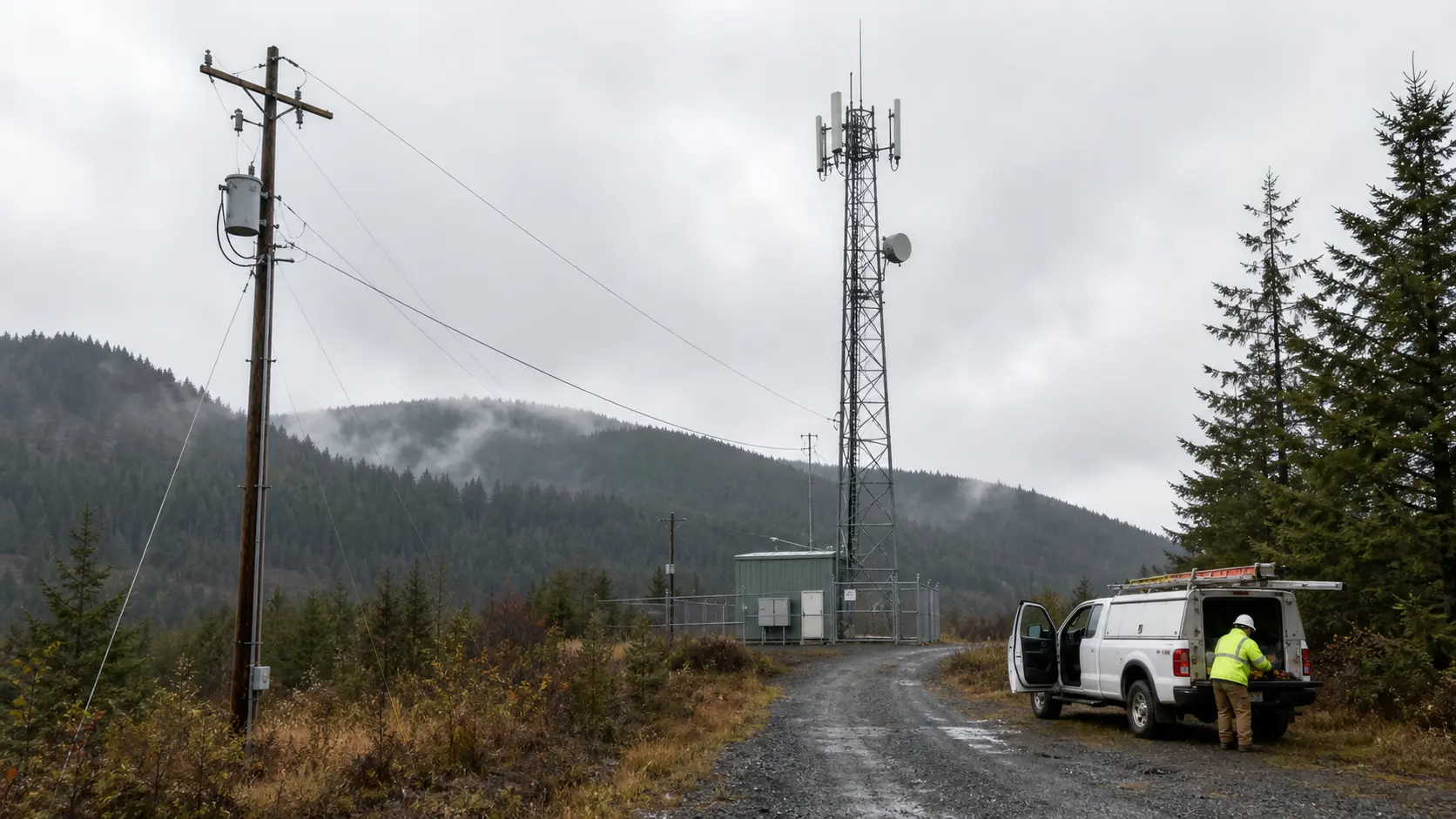
Washington Broadband has to prove rural reach after the tower or fibre path fails
Washington Broadband is no longer the hybrid Yakima Valley operator it was before the cable and fibre plant moved to Charter/Spectrum. The company that remains is a locally run fixed-wireless network with a visible internet edge, a claimed 35-tower footprint and thousands of…