
Topic
Network-resource Evidence
Within the Topic facet, Network-resource Evidence topic intelligence connects articles that share a specific subject, signal focus, or monitoring theme. The page gives readers a richer path through related reporting, source evidence, market actors, and infrastructure implications, with enough context to understand why the topic matters across company movements, governance decisions, regional exposure, and operational risk. Readers can compare recurring signals, affected organisations, public evidence, market context, service continuity, procurement, competition, compliance, and strategic planning questions behind the subject instead of stopping at a thin list of matching articles. It explains what the topic covers, which infrastructure actors or policies are involved, what evidence supports the coverage, and why the subject may matter for operators, customers, investors, and policy readers.

Global Cloud Services
SiteGround Spain, RIPE Membership and Centralized DNS: Who Controls Website Continuity?
SiteGround Spain SL appears in a public RIPE NCC membership record, while SiteGround documents centralized DNS, hosting, backups and account controls. For a small organization, those records and tools are useful only when it knows who controls the domain, which DNS zone is…

Global Cloud Services
Linode and AS63949: Cloud Convenience Still Needs Operator Discipline
Linode and AS63949: Cloud Convenience Still Needs Operator Discipline intelligence summary explains the development, the public evidence available to readers, the organisations involved, the regional context, market exposure, and the infrastructure consequences that may follow.…

Global Cloud Services
DreamHost and AS26347: Where Shared-Hosting Reliability Depends on DNS, Backups and Customer Control
DreamHost and AS26347: Where Shared-Hosting Reliability Depends on DNS, Backups and Customer Control intelligence summary explains the development, the public evidence available to readers, the organisations involved, the regional context, market exposure, and the infrastructure…
Asia-Pacific National Telecom
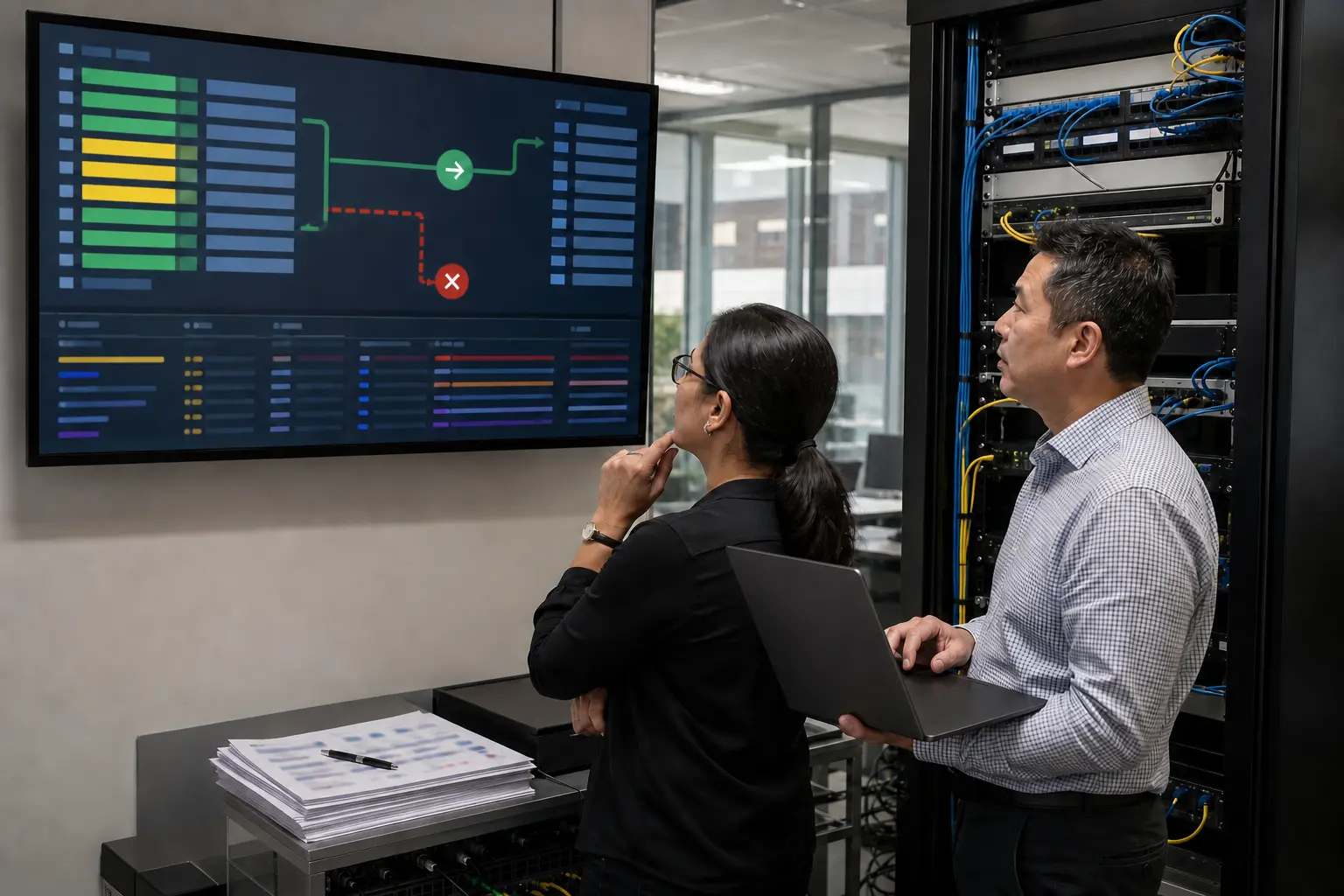
Aussie Broadband's 2022 IPND failures showed why an emergency database needs a working feedback loop
An emergency database can receive files every day and still drift away from reality if nobody checks what came back. In 2022, Australia's communications regulator found that Aussie Broadband had not supplied or updated required public-number records on time, while an…
Global Cloud Services
Hetzner Online and AS24940: Why Low-Cost Cloud Still Depends on Expensive Operational Discipline
Hetzner Online and AS24940: Why Low-Cost Cloud Still Depends on Expensive Operational Discipline intelligence summary explains the development, the public evidence available to readers, the organisations involved, the regional context, market exposure, and the infrastructure…

Latin America and Caribbean National Telecom
Brisanet's AS28126 Is a Public Network Ledger, Not a Map of Every Connection
Brisanet's AS28126 Is a Public Network Ledger, Not a Map of Every Connection intelligence summary explains the development, the public evidence available to readers, the organisations involved, the regional context, market exposure, and the infrastructure consequences that may…
Asia-Pacific National Telecom
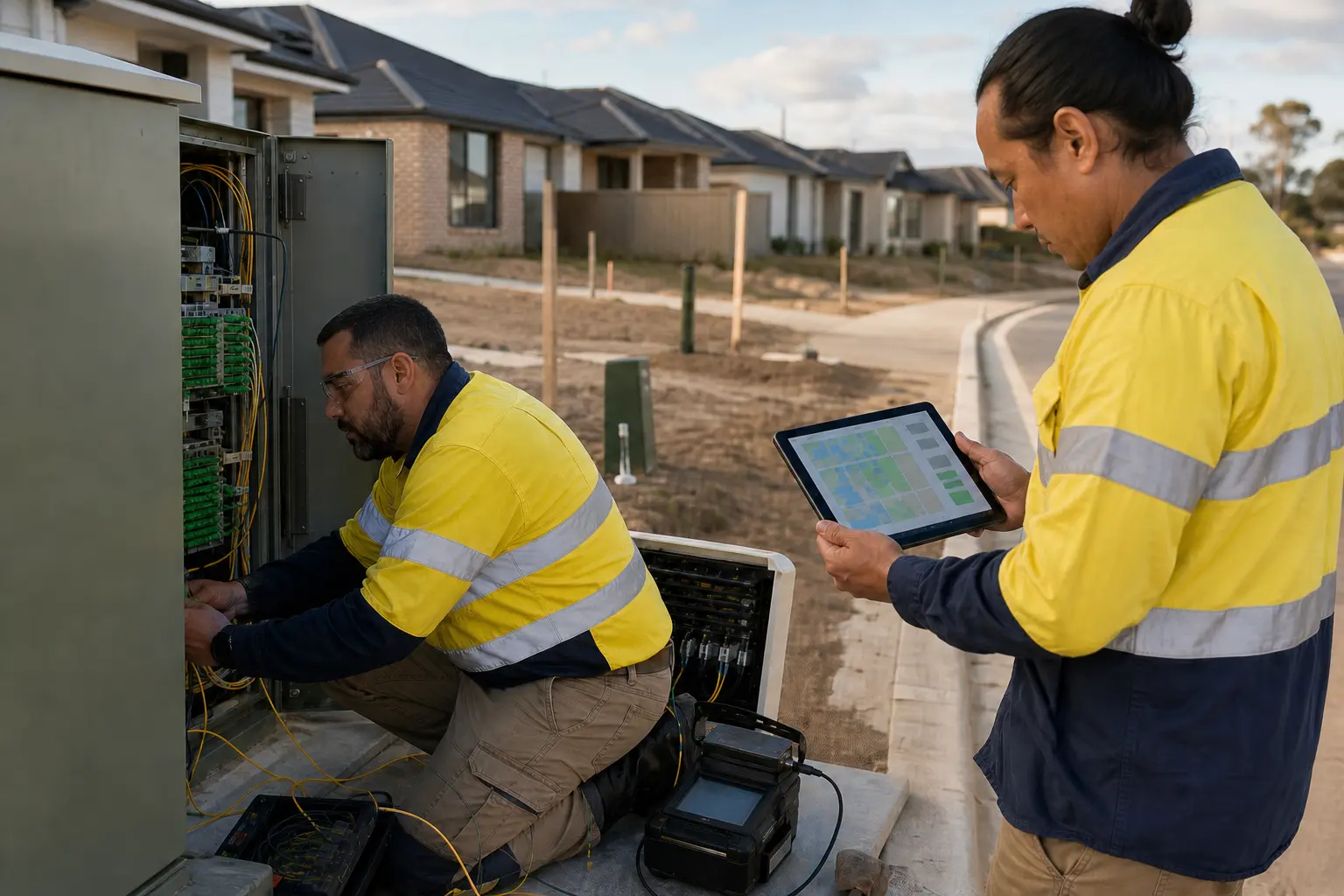
Opticomm's delayed service-area notices showed why a broadband build needs a live public handover record
A new fibre network can be physically ready while the public record that says who must serve the area is still behind. Australian regulator ACMA found that Opticomm repeatedly filed required notices late during 2023 and 2024. The case is not evidence that 184 developments lost…

Global Institutional
RouteViews and the infrastructure that makes the internet’s routing system observable
RouteViews began in 1995 as a practical way for network operators to inspect how their routes appeared from outside their own organisations. Three decades later, the University of Oregon-hosted project operates a globally distributed BGP collection, archive and access platform…

Asia-Pacific National Telecom
Telstra's 2020 local-number porting shutdown showed that keeping a number depends on an executable handover
When people change telephone providers, they often want to keep the local number already known by family, customers, suppliers and public services. That familiar result hides a coordinated infrastructure change. The old provider, the new provider and the carriers between them…

Latin America and Caribbean Cloud Services
Amazon Data Services Uruguay Is in the LACNIC Ledger, but AWS Outposts Is Not a Uruguay Cloud Region
Amazon Data Services Uruguay Is in the LACNIC Ledger, but AWS Outposts Is Not a Uruguay Cloud Region intelligence summary explains the development, the public evidence available to readers, the organisations involved, the regional context, market exposure, and the infrastructure…
Global Institutional
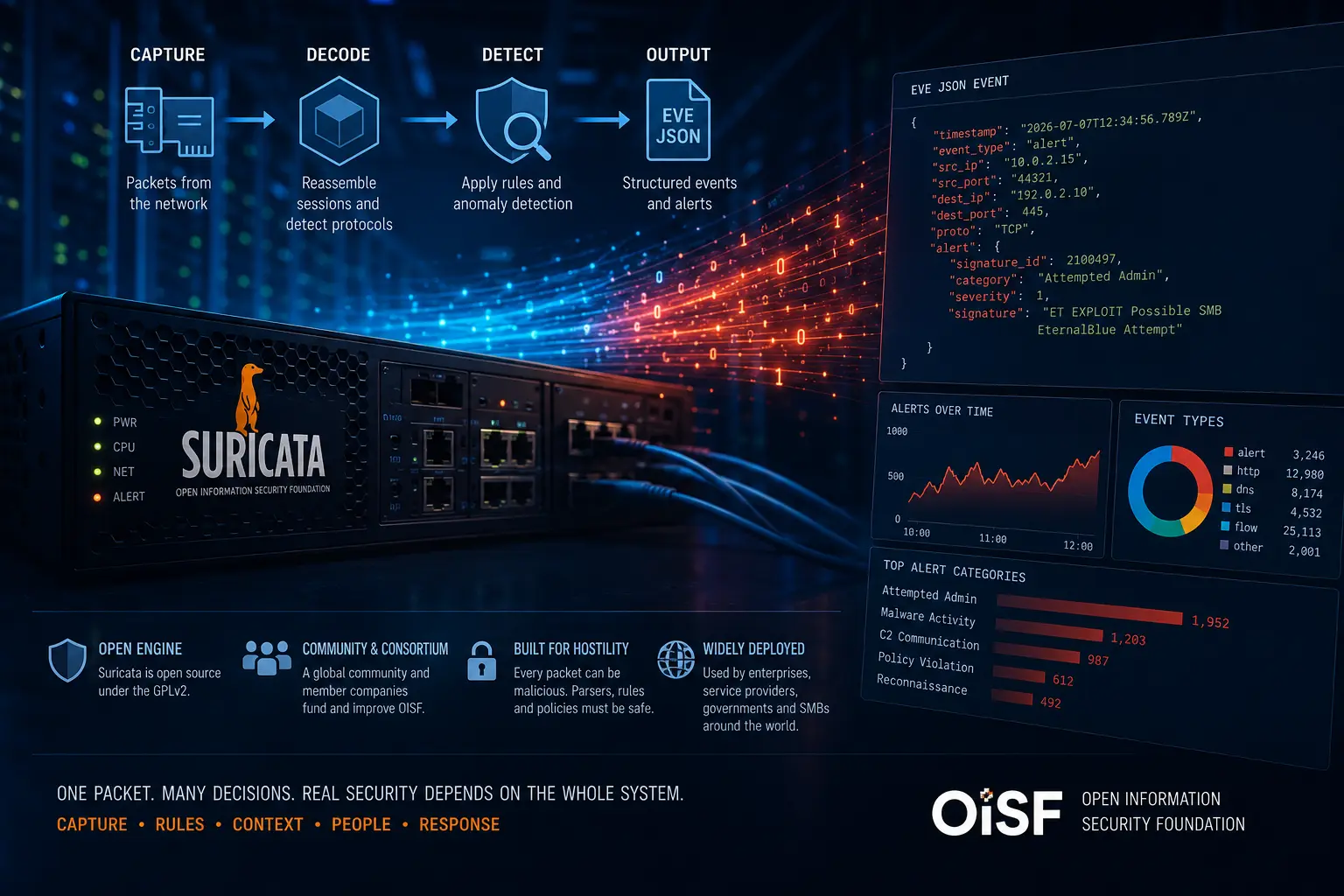
Suricata and the small nonprofit guarding a hostile packet surface
Suricata tracks flows, rebuilds streams, parses protocols, applies rules and emits telemetry inside sensors and commercial products. OISF maintains that public engine on a budget small beside its downstream reach, while every packet, parser and rule can become a failure point.

Global Institutional
Nmap and the limits of what a network scan can know
Nmap turned hosts, ports, filters, services and operating-system fingerprints into a shared operational vocabulary. Nearly three decades later, its value still depends on a restraint many automated systems lose: each result describes one probe, from one vantage point, at one…

Asia-Pacific National Telecom
Telstra's March 2024 Triple Zero disruption showed that a backup must preserve the call, destination and location
Australia's communications regulator found 473 breaches after a technical disruption at Telstra's Triple Zero call centre. The event was not simply a server outage. It exposed three different continuity duties that are easy to collapse into one: keeping the caller connected while…
Global Institutional
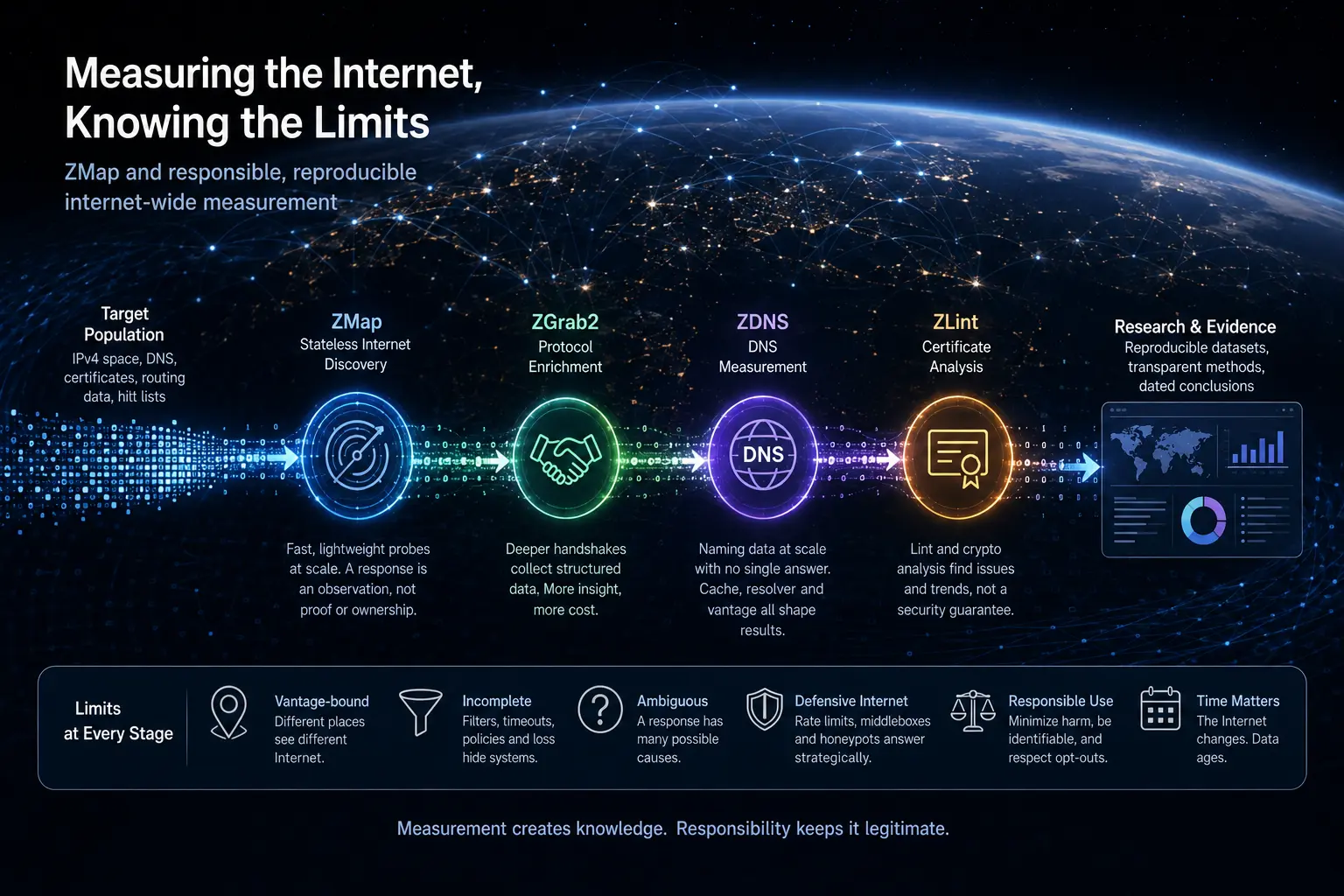
ZMap and the limits of an internet-wide census
ZMap made public IPv4 surveys repeatable by separating a fast stateless probe from deeper protocol analysis. The same design makes every result depend on target selection, vantage point and responsible operation: a response is an observation, not proof of ownership or…

Leaders
Rob Shakir and the Work of Describing Networks Across Vendor Boundaries
A large network rarely fails because its engineers lack a name for a router. It fails in harder places: when two devices use different names for the same kind of state, when an automation system reads one vendor correctly and another incorrectly, when a route moves between tables…
Global Institutional
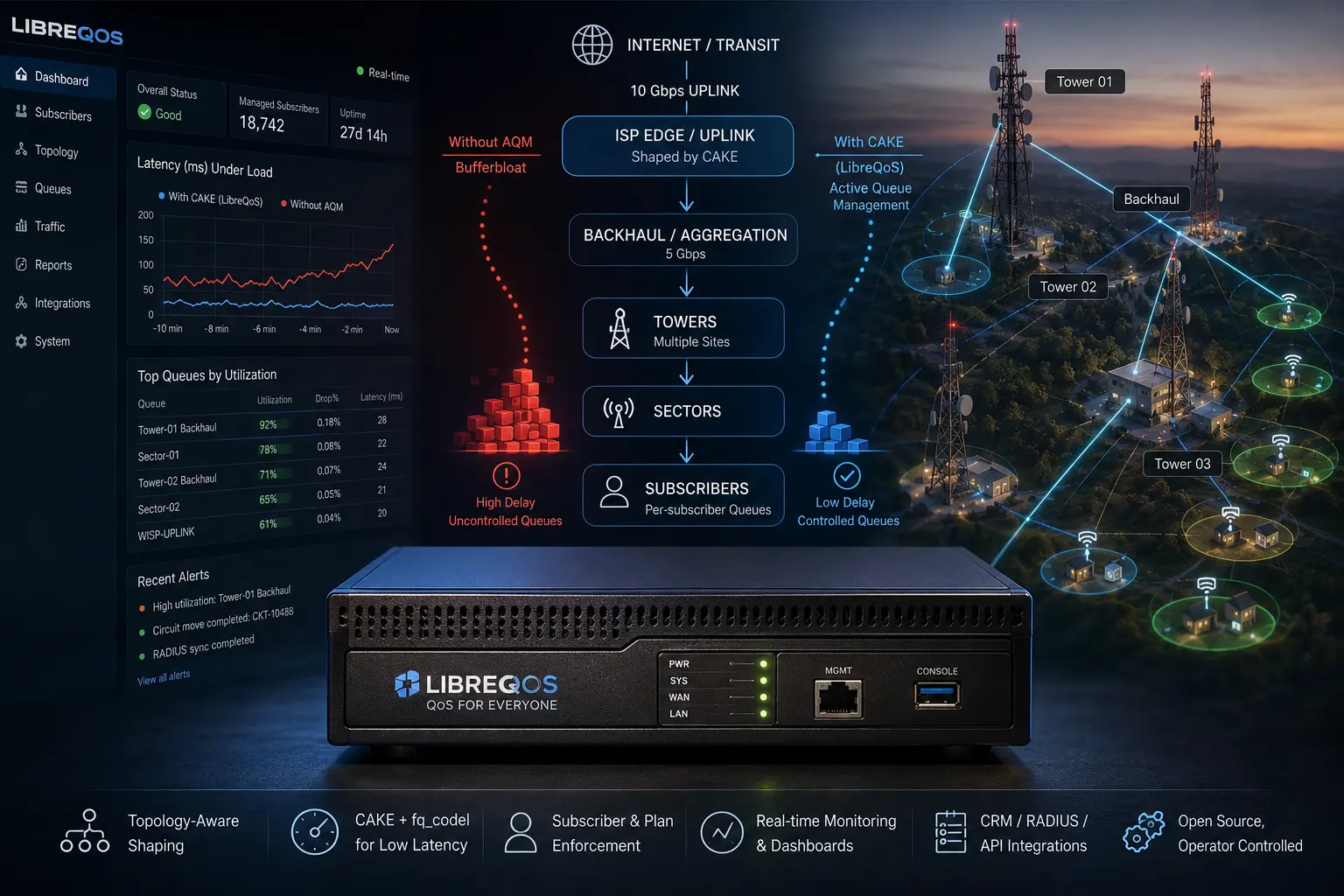
LibreQoS and the topology that decides where broadband slows
LibreQoS puts a Linux shaper inside the traffic path, using CAKE and an operator’s model of subscribers, towers and backhauls to keep queues short under load. Its advantage depends on a hard condition: the network model and capacity values must be more accurate than the…

Asia-Pacific National Telecom
Optus's Coles Mobile porting breach showed that a phone number is a control record, not just an account field
Australia's communications regulator found that Optus, acting as the gaining provider for the Coles Mobile brand, proceeded with 44 unauthorised mobile-number ports without completing the required additional identity verification. The incident is easiest to understand when a…
Global Institutional
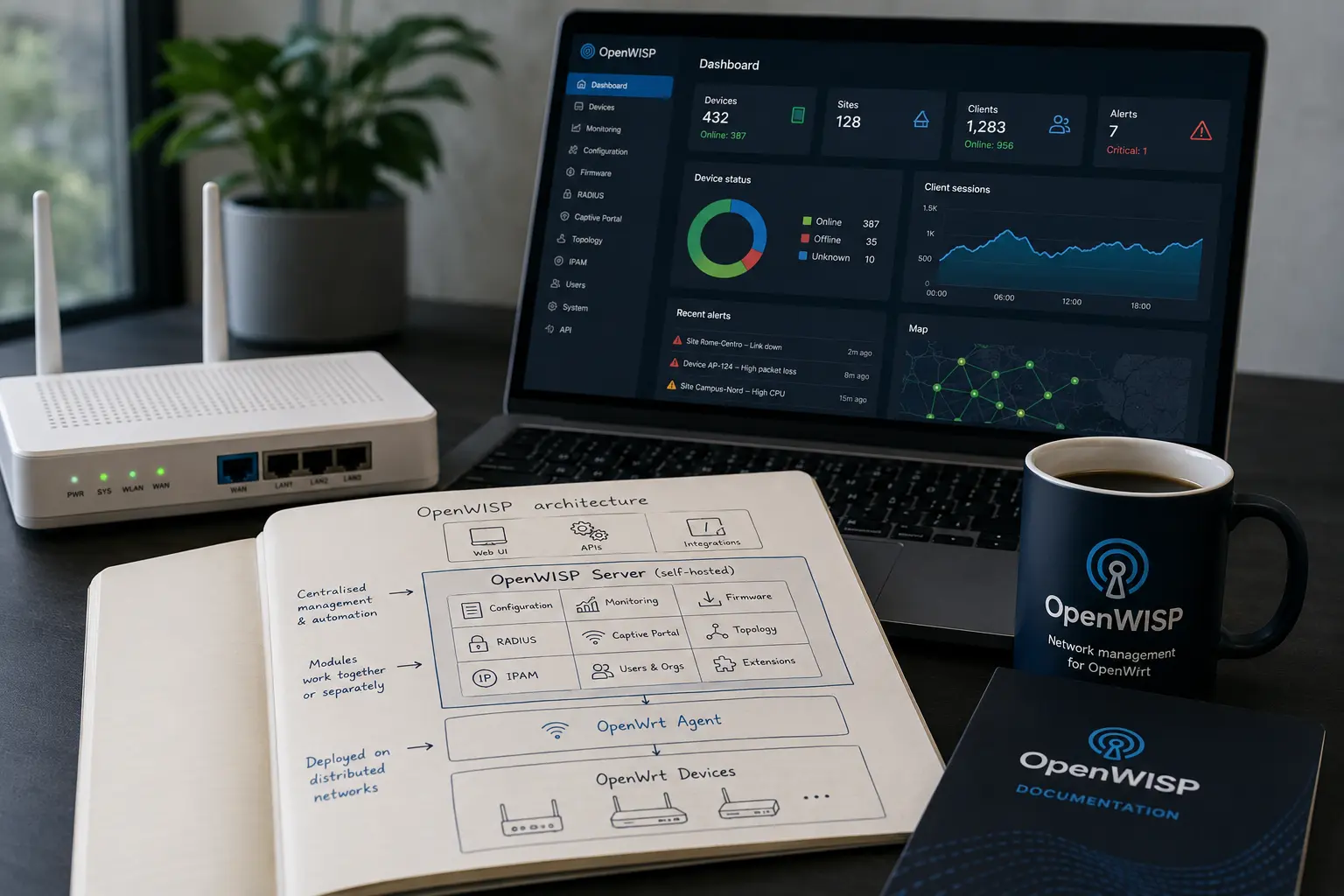
OpenWISP and the control room small networks must build for themselves
Born from a public Wi-Fi programme around Rome, OpenWISP now manages distributed OpenWrt fleets through configuration, monitoring, firmware, identity and topology modules. Self-hosting removes a proprietary controller from the chain, but leaves the operator responsible for the…

Global Institutional
prpl Foundation and the hard limits of an open broadband gateway
prpl Foundation coordinates an OpenWrt-based carrier stack designed to move services across gateway vendors. Its test is whether common APIs and certification can survive proprietary radio firmware, chipset software and the integration work operators still have to buy.

Asia-Pacific National Telecom
Telstra's 106 outage showed why a live emergency line must never look like a test service
Australia's text emergency relay service was unavailable for 12 hours and 46 minutes after a live call route was mistaken for a test service during a server migration. No genuine 106 call was identified in that window, but the Australian regulator found something that matters…