
Topic
Membership Accountability
Within the Topic facet, Membership Accountability topic intelligence connects articles that share a specific subject, signal focus, or monitoring theme. The page gives readers a richer path through related reporting, source evidence, market actors, and infrastructure implications, with enough context to understand why the topic matters across company movements, governance decisions, regional exposure, and operational risk. Readers can compare recurring signals, affected organisations, public evidence, market context, service continuity, procurement, competition, compliance, and strategic planning questions behind the subject instead of stopping at a thin list of matching articles. It explains what the topic covers, which infrastructure actors or policies are involved, what evidence supports the coverage, and why the subject may matter for operators, customers, investors, and policy readers.

NANOG
The Space Between NANOG’s Ballot and Its Boardroom
NANOG asks Board candidates to disclose the organisations around them, then asks Directors and officers to disclose again when a later decision touches an affiliated organisation. The public-interest question is not whether an employer name proves influence—it does not—but…

NANOG
After the Ballot: How Power Travels Through NANOG's Appointed Committees
NANOG's members elect most of the Board, not the specialist bodies that shape programmes, elections, audits and community work. The case for appointment is strong; the harder question is whether the public record lets a reader follow each grant of authority from selection to…

NANOG
The Ballot Had One Switch
In 2018, NANOG disclosed 34 bylaw changes in unusual detail, then gave members one yes-or-no control over the entire package. That design made the proposed text inspectable while leaving the members' proposition-level preferences unknowable—a distinction that matters even when…

NANOG
The Status Switch: What NANOG’s Good-Standing Rules Actually Change
The Status Switch: What NANOG’s Good-Standing Rules Actually Change intelligence summary explains the development, the public evidence available to readers, the organisations involved, the regional context, market exposure, and the infrastructure consequences that may follow. The…

NANOG
What, Exactly, Did NANOG Acquire?
NewNOG incorporated in 2010. The 2011 handoff then transferred named NANOG assets to that corporation, giving the forum a legal holder for its name and domain, archives, contracts and financial risk. It made NANOG more durable and its responsibilities easier to locate without…

SANOG
Eight Days That Stayed Put: Who Did What When SANOG 34 Moved
SANOG 34 kept its late-July opening and early-August finish, but the entity-facing machinery needed to make those dates real had to be rebuilt from Colombo to Kolkata. The surviving public record separates local risk advice, an unsigned regional decision, replacement-host…
MENOG
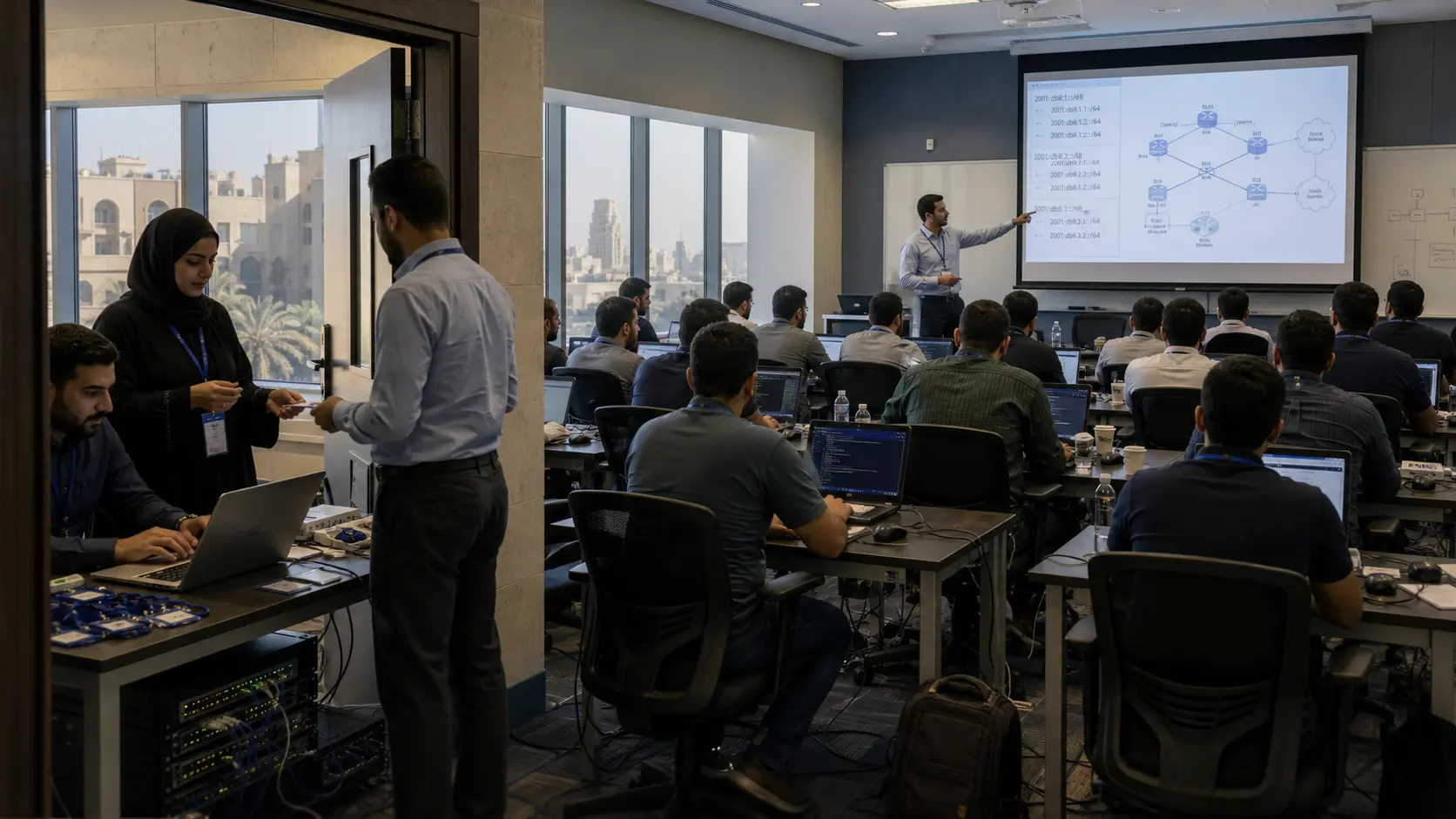
The Classroom Moved. Who Chose the Lesson?
When MENOG announced one regional meeting instead of two and more country roadshows, it made technical training easier to reach. The harder question is whether it also moved the power to choose—over seats, teachers, materials, accreditation and the future use of what was taught.

Number Resource Society
A Versioned Event Schema for Comparing RIR Decisions
Regional Internet Registries disclose substantial activity, yet the same decision can still be counted at different moments, under different names and against different populations. A useful comparison layer should begin below dashboards and annual totals: one bounded, versioned…

Number Resource Society
A Global South Label Cannot Substitute for a Mandate
The Global South names a real distribution of disadvantage and an unstable political coalition at the same time. It can draw attention to colonial inheritance, expensive capital, infrastructure gaps, weak bargaining power, linguistic exclusion and the fact that most people who…

Number Resource Society
When One Corporate Group Casts Twenty Registry Votes
Twenty ballots can comply with a registry's rules and still expose a constitutional choice the rules never state. If twenty legal members answer to one corporate control group, should an election count twenty independent voices, one economic interest, or something between the…

Number Resource Society
Climate Reporting Cannot Justify Registry Mission Creep
A regional Internet registry consumes electricity, buys equipment and services, leases offices, relies on data centres, sends staff to meetings and convenes an international community whose travel has an environmental cost. It also faces physical climate risks: flood, heat…

Number Resource Society
Control-Change Notices Without a Registry Surveillance State
An Internet number registry does not need a permanent dossier on every shareholder in order to notice that the person able to direct a resource-holding company has changed. What it needs is a narrowly defined event notice: who changed, which recognized holder is affected, when…

Number Resource Society
Digital Identity Requirements at the Registry Gate
An Internet number registry must know more than the name typed into an account form. It must establish that an organization or natural person exists, that the person making a request can act for it, and that a transfer or record change is authorized by the legitimate holder.…

Number Resource Society
Machine-Readable Policy and the Risk of Automated Discretion
Internet number registries already expose important parts of registration through software interfaces. A network can update records, create routing entities, retrieve registration data and receive validation errors without a staff member retyping the request. The next step…

Number Resource Society
How to Ratify a Number-Resource Continuity Charter
A continuity charter for Internet number resources will not become legitimate because its principles sound prudent or because a well-attended meeting applauds them. Ratification is a chain of attributed decisions: a bounded drafting mandate, a public evidence record, declared…

Number Resource Society
The Registry-Choice Pilot That Must Be Allowed to Fail
A registry-choice pilot will produce useful evidence only if its sponsors commit in advance to the possibility that the idea is wrong. From 2026 to 2036, a bounded trial should preregister its cohorts, controls, benefit thresholds, safety floors, stopping rules and rollback path…

Leaders
Pavel Šnajdr and the member-run VPS platform that made infrastructure decisions public
Pavel Šnajdr is not best understood through a corporate title. The stronger story is how vpsFree.cz made a Czech member association behave like visible infrastructure: publishing its operating constraints, building its own container-host stack, explaining migrations away from…
Leaders
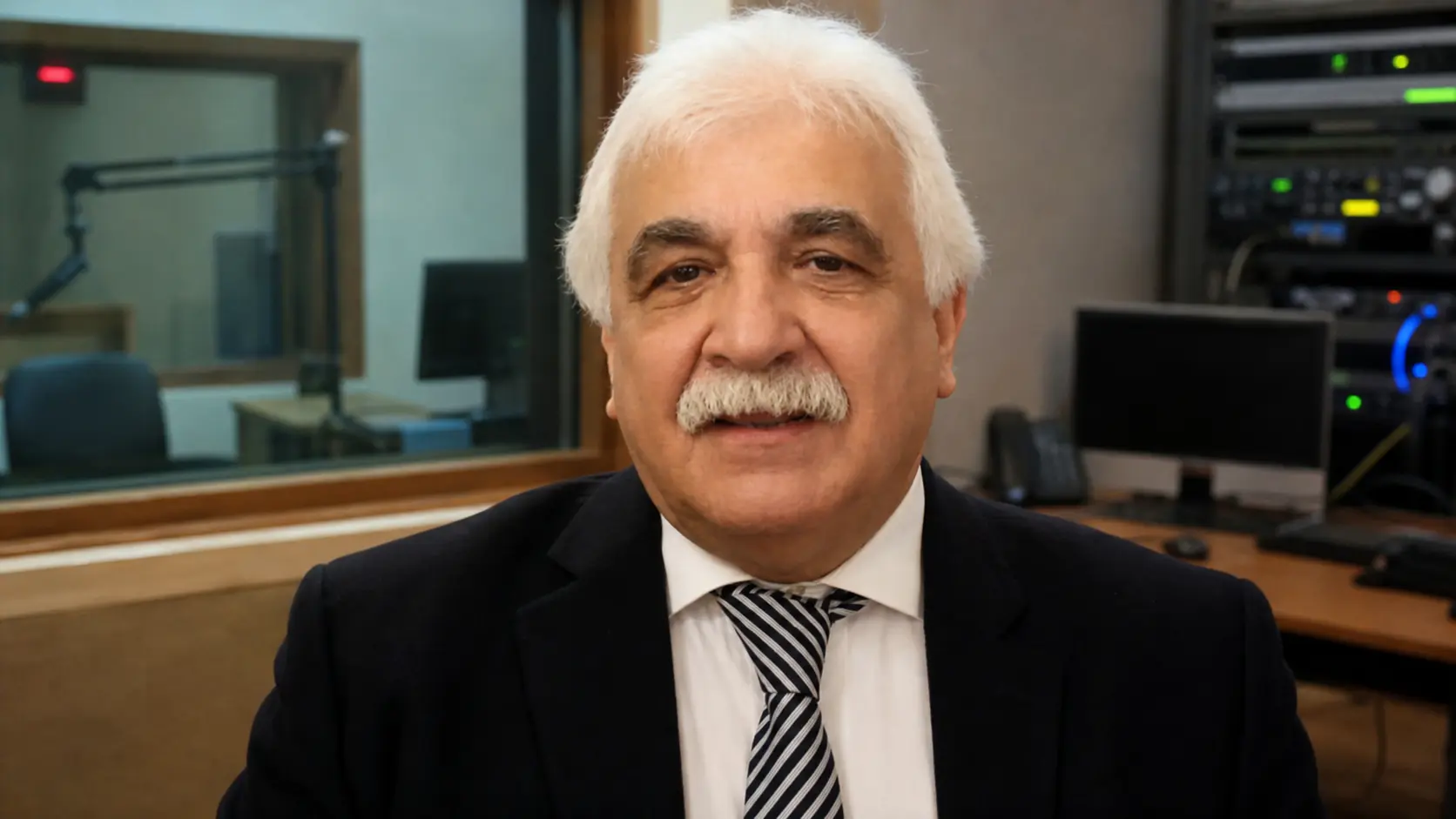
Armando Ametrano and the Local Infrastructure of Broadcast Trust in Las Flores
Armando Ametrano's public record is not the story of a national technology celebrity. It is the quieter record of a local Argentine media operator whose work sits where radio continuity, cable-operator politics, broadcast-association governance, and internet-number responsibility…

Leaders
Gergana Petrova and the Work of Making Internet Institutions Legible
Sofia Ren profiles Gergana Petrova through the RIPE NCC community-development work that turns regional meetings, operator groups, fellowships, local hubs, and governance participation into the connective tissue of a more legible and resilient Internet infrastructure community.

Leaders
Hans Petter Holen and the Operating Trust Behind Internet Numbering
Sofia Ren profiles Hans Petter Holen through the public record that connects an early Norwegian internet-service builder, a former RIPE Chair, and the RIPE NCC's current chief executive to the quiet governance work that keeps number resources, registry trust, and community…