
Time Horizon
Medium
Within the Time Horizon facet, Medium time-horizon intelligence organises articles by the period over which a signal is expected to matter. The page helps readers distinguish immediate operational changes from longer-cycle governance, investment, standards, and infrastructure shifts that may unfold across quarters or years. It connects timing assumptions with public evidence, related actors, market context, customer exposure, policy pressure, and infrastructure planning so readers can judge whether a development is urgent, strategic, or still waiting on confirming evidence. The page also explains how time horizon changes the meaning of a signal, which organisations may be exposed, and which infrastructure decisions require short-term action or long-cycle monitoring.

Global Cloud Services Trends
Jassy's $600bn AWS view is an opportunity, not guidance
Andy Jassy said AI could lift AWS to at least a $600bn annual-revenue run rate roughly a decade out. Amazon has not adopted that figure as formal guidance.
Leaders
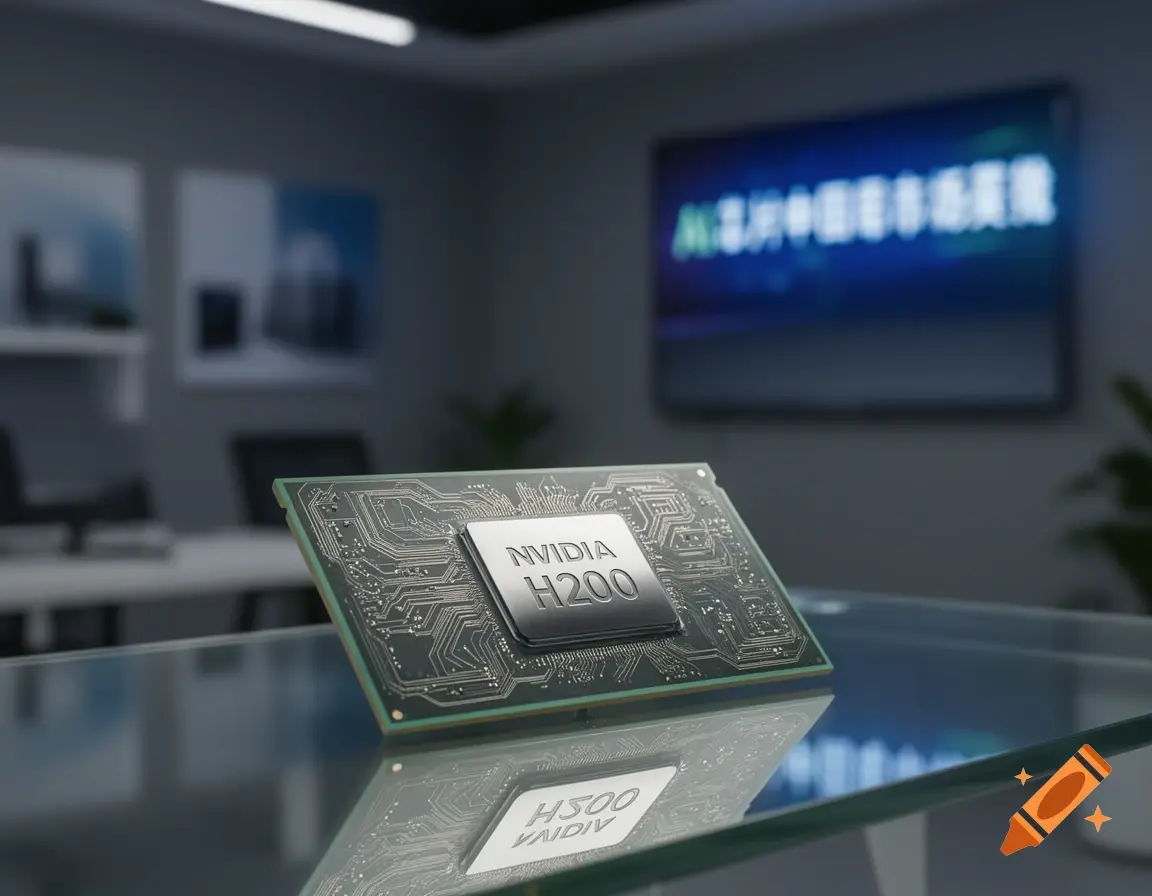
‘Very few’ H200 shipments to China or Hong Kong have begun
A U.S. official says very few NVIDIA H200 chips have now been shipped to China or Hong Kong. That is movement, not evidence of broad delivery, installation or revenue.

Global Cloud Services Trends
AI demand and higher prices lifted Samsung’s memory business to record Q1 profit
Samsung’s memory business set quarterly revenue and operating-profit records in Q1 2026 as AI demand and average selling prices rose. Its Q2 figures remain preliminary and consolidated.

Global Cloud Services Trends
Schneider Electric and NVIDIA extend AI-factory work with power, cooling and digital-twin designs
Schneider Electric and NVIDIA published a Vera Rubin NVL72 power-and-cooling design and linked AVEVA to the DSX blueprint. This is design-and-test evidence, not a deployed gigawatt site.
Global Cloud Services Trends
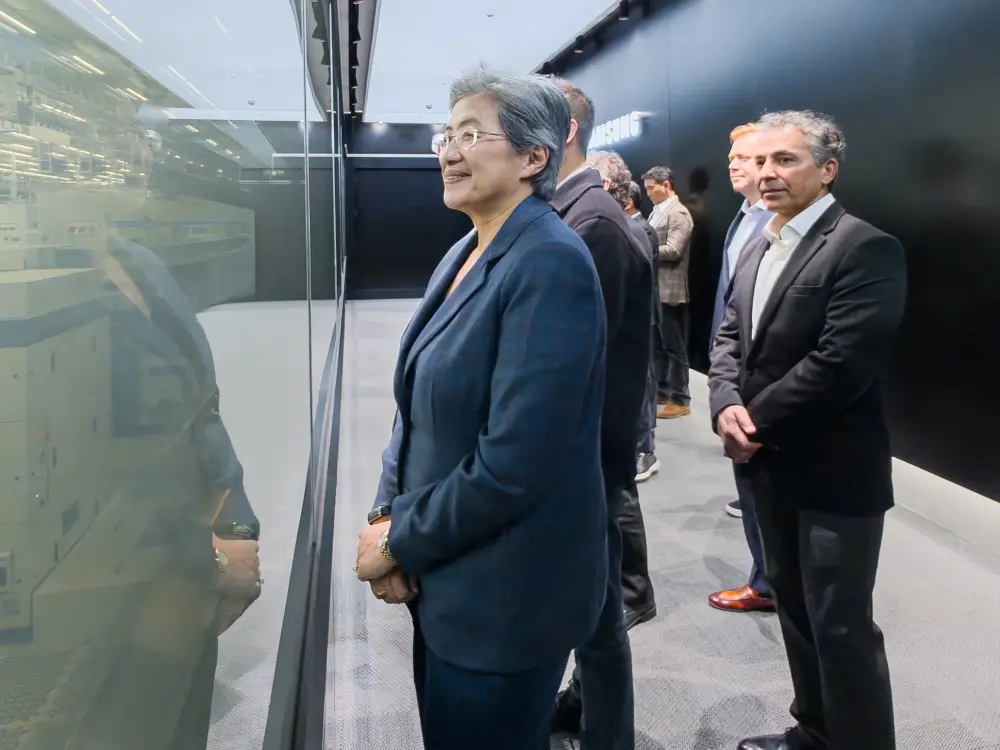
Lisa Su’s Samsung visit produced an HBM4 MOU—not a disclosed foundry order
Samsung and AMD documented a Pyeongtaek tour and memory MOU. The record supports HBM4 and DRAM alignment, but only exploratory foundry talks—not an awarded wafer programme.

Global Cloud Services Trends
Dell reports 11,000 fewer employees amid cost cuts and AI-server growth
Dell’s filings show about 97,000 employees in January 2026, down from 108,000 a year earlier. They cite cost actions and rapid AI-server growth, but not a direct AI cause for the workforce decline.

Global Cloud Services
NVIDIA’s $1tn Blackwell/Rubin visibility rests on inference economics
The $1tn figure is 2025–2027 Blackwell/Rubin visibility, not a 2027 chip market. The strategic test is whether NVIDIA’s wider inference stack lowers cost and wins workloads.

Global National Telecom Trends
Telia–Brookfield sovereign-AI plan splits capital, fibre and control
Brookfield plans up to SEK 95bn of Swedish AI infrastructure; Telia would connect it, Telia Cygate would operate it, and power remains a condition.

Global Cloud Services Trends
Nokia’s AI-optics launch is chiefly a 2027 product roadmap
Nokia disclosed 1.6T-to-3.2T coherent designs for 2027 and a multi-fibre line system for late 2026; the savings and density figures remain vendor claims.

Companies
AFRINIC transfer-policy case tests contract and governance claims
Skyconnect’s suit, AFRINIC’s transfer rules and its liability clause raise separate questions; the record does not support the old $100 or proxy-war certainties.

Global Cloud Services Trends
SKT says 2,000 staff AI agents are active; wider rollout is still a target
SK Telecom has opened no-code agent tools and AXMS to staff, but its one-person-one-agent ambition, Q3 rollout and savings claims require separate evidence.

Latin America and Caribbean Regional ISP Trends
TelCables Brasil activates three Belo Horizonte PoPs, taking Brazil total to 10
TelCables Brasil says three Belo Horizonte points of presence are operating at Sonda, Century and Sempre Telecom; capacity and outcome evidence remains limited.

Africa Institutional Trends
Republic of the Congo election shutdown cut Internet traffic for 50.5 hours
Measurements put Republic of the Congo connectivity near 3% of normal during the 15 March vote; the public record identifies no order or enforcement method.

Global Datacenter Trends
Meta's Nebius deal is $12bn of firm capacity plus a $15bn backstop
Nebius will supply Vera Rubin clusters from 2027; the $27bn headline includes capacity it first intends to sell to third parties.

North America Cloud Services Trends
Musk's $134bn OpenAI model was admitted; limitations ended the case
A March order let C. Paul Wazzan's damages opinions remain, but did not endorse them. In May, the court dismissed Musk's claims as time-barred.

Global Cloud Services Trends
ZTE claims 300% nubia Neo revenue growth, without the base
ZTE says nubia Neo revenue grew 300% and shipments 150% in 2025. Its audited accounts disclose only a much broader consumer segment.

Europe and Middle East Institutional Trends
Joybuy enters six European markets; fulfilment economics are the test
JD.com has opened Joybuy across six European markets with local inventory and its own delivery network. The strategic question is whether speed, assortment and repeat demand can cover the cost of that infrastructure.

Global Datacenter Trends
Nokia’s Infinera integration adds optical scale; AI demand still needs proof
Nokia has folded Infinera into its optical business and reported stronger demand from AI and cloud customers. The harder test is whether design wins, integration and investment produce durable orders and margins.
North America Institutional Trends
US withdrawal stalls the next AI-chip rule, not existing controls
The Commerce Department pulled an unpublished AI-chip export draft from interagency review on 13 March 2026. The move delayed a replacement framework but did not erase existing licence requirements.

Asia-Pacific Datacenter Trends
AirTrunk’s Singapore HQ coordinates growth; it does not add 180MW
AirTrunk opened a regional office in Singapore. Its three facilities total a company-reported 180MW IT load, but the office itself creates no new data-centre capacity.