
Impact
HIGH
Within the Impact facet, HIGH impact intelligence highlights articles where the expected effect level, operational exposure, or decision relevance is comparable. Readers can use the page to separate routine market updates from higher-consequence governance, infrastructure, security, and investment signals that may affect planning, procurement, policy, or customer exposure. The page connects the consequence band to public evidence, related organisations, regional context, operating dependencies, service continuity, competition, investment timing, compliance, and customer risk. It helps readers decide which developments deserve deeper monitoring, which actors are most exposed, and how a signal may affect operations or market planning.
Europe and Middle East Institutional Trends
Christel Heydemann and the operating compact behind France's copper shutdown
Announcing a fibre build is a promise to create a network; switching off copper is a commitment to move every remaining dependency away from an old one. France's closure therefore turns on more than cable and coverage: it reaches homes, business systems, alarms, emergency…

Number Resource Society
How to Ratify a Number-Resource Continuity Charter
A continuity charter for Internet number resources will not become legitimate because its principles sound prudent or because a well-attended meeting applauds them. Ratification is a chain of attributed decisions: a bounded drafting mandate, a public evidence record, declared…

Number Resource Society
The Registry-Choice Pilot That Must Be Allowed to Fail
A registry-choice pilot will produce useful evidence only if its sponsors commit in advance to the possibility that the idea is wrong. From 2026 to 2036, a bounded trial should preregister its cohorts, controls, benefit thresholds, safety floors, stopping rules and rollback path…

Number Resource Society
A Ten-Year Stress Test for Number Resource Institutions
Number-resource institutions are built around continuity. Allocations, registrations, transfers, directory data and route-security credentials must remain dependable while boards change, laws conflict, markets move and systems age. Their public language therefore emphasizes…
North America Institutional Trends
David Ulevitch and the Public-Safety Capital Test
David Ulevitch’s post-Cisco record poses a harder question than whether a software investor can spot promising technology: what must capital become when the buyer is a public institution, the operating environment is an emergency, and legitimacy is part of the product rather than…
Leaders
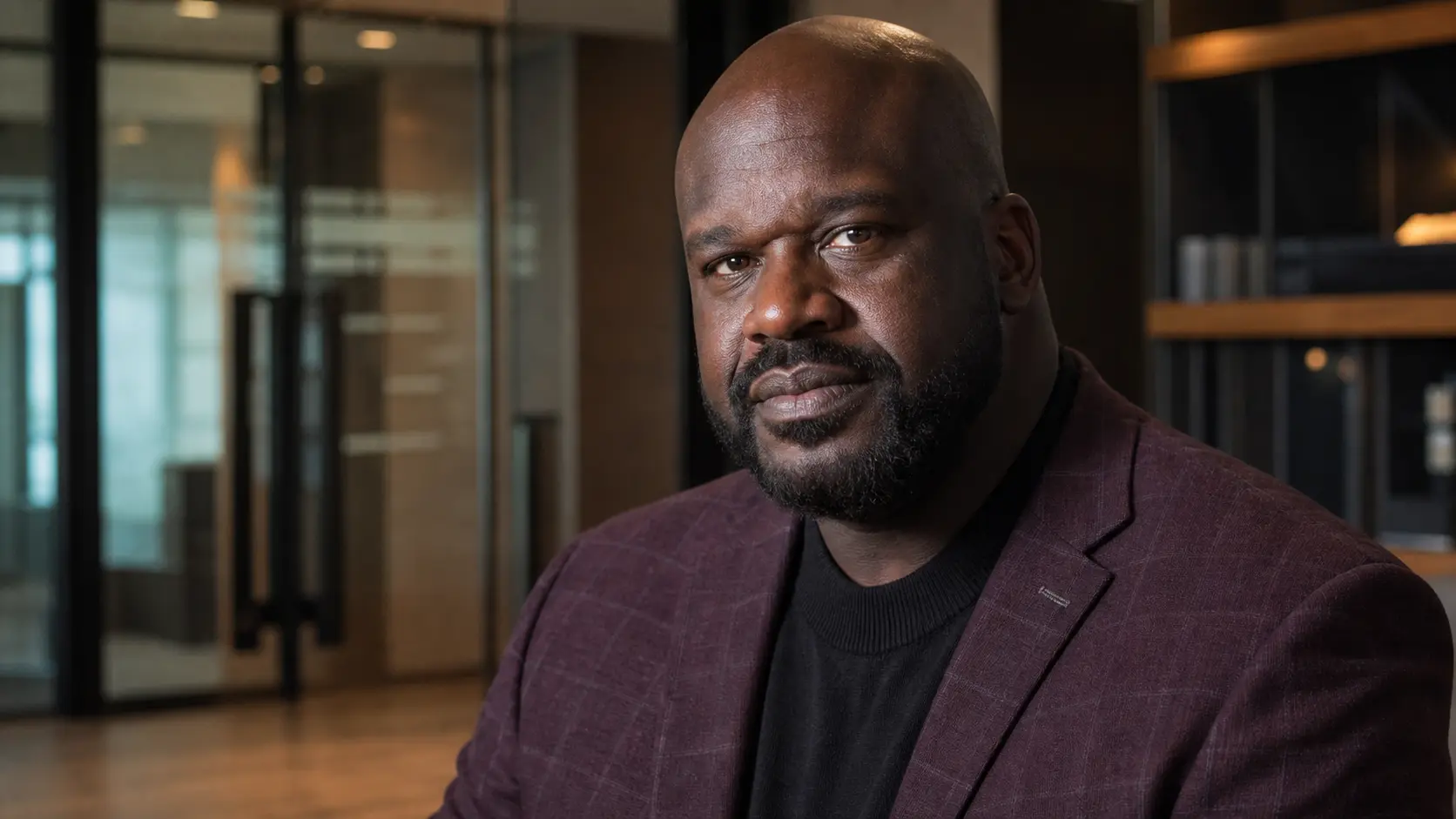
Shaquille O'Neal and the Business Risk of Borrowed Trust
Shaquille O'Neal's commercial importance is not that his name appears beside many businesses. It is that companies have repeatedly turned public recognition into formal infrastructure: a licence for personality rights, a board and franchise relationship, a bounded brand-category…
Leaders
Randy Bush and the Operational Case for Routing Security
The internet's shared routing and naming systems work only when thousands of independent operators can place limited, testable trust in one another. Randy Bush's career offers a way to examine how that trust is built: not by assuming protocols or institutions are infallible, but…

Leaders
Abhisak Chulya and the Hard Economics of Building a Thai Cloud
Abhisak Chulya's consequential decision was not simply to start a technology company, but to keep changing what that company was prepared to own: first a Thai-language route into the internet, then advertising services, and eventually the software, servers, networks and support…

Leaders
Mike Lynch and the Problem of Founder Attribution
Autonomy made Mike Lynch one of Britain's most significant software founders, but its sale to Hewlett-Packard turned a celebrated exit into a prolonged test of where credit, control, risk and responsibility really lie: with the founder, the company around him, the buyer who…

Creators
Abdiel Marin and the Architecture of an Ophthalmology Software Company
From practice shadowing and in-house DICOM libraries to fog architecture, patient engagement, a majority investment, a new name and a planned succession, Marin's record is clearest as a sequence of observable choices made around the constraints of eye-care work.

North America Institutional Trends
Yechiam Yemini and the Long Argument for Self-Managing Infrastructure
Long before AIOps became a sales category, Yechiam Yemini's Columbia research circle was asking a harder question: could complex infrastructure diagnose faults and allocate resources with less human intervention? The path from that question to SMARTS and VMTurbo/Turbonomic shows…

Europe and Middle East National Telecom
VMO2 Challenges Openreach Fibre Discounts
Virgin Media O2 says Openreach’s latest wholesale offers may deter broadband providers from using competing fibre networks.

Europe and Middle East Institutional Trends
Marc Murtra and the State-Shareholder Test Inside Indra
Marc Murtra's Indra chairmanship is a study in authority that was visible but never absolute. A state shareholder could alter the balance around the board; industrial investors could acquire influence; directors and shareholders could approve a defence-led reconfiguration; and…

Global Institutional Trends
David Meyer and the Uneasy Work of Making Network Control Public
David M Meyer's public record crosses four ways of coordinating a network that no entity fully controls: exposing interdomain routing through RouteViews, expressing routing policy through RPSL, serving standards and operator communities, and helping to lead OpenDaylight's early…

North America Datacenter
New York pauses large data centre permits
New York halts incomplete state permit applications for large data centres while developing new rules on energy, water use, and grid costs.
Latin America and Caribbean Institutional Trends
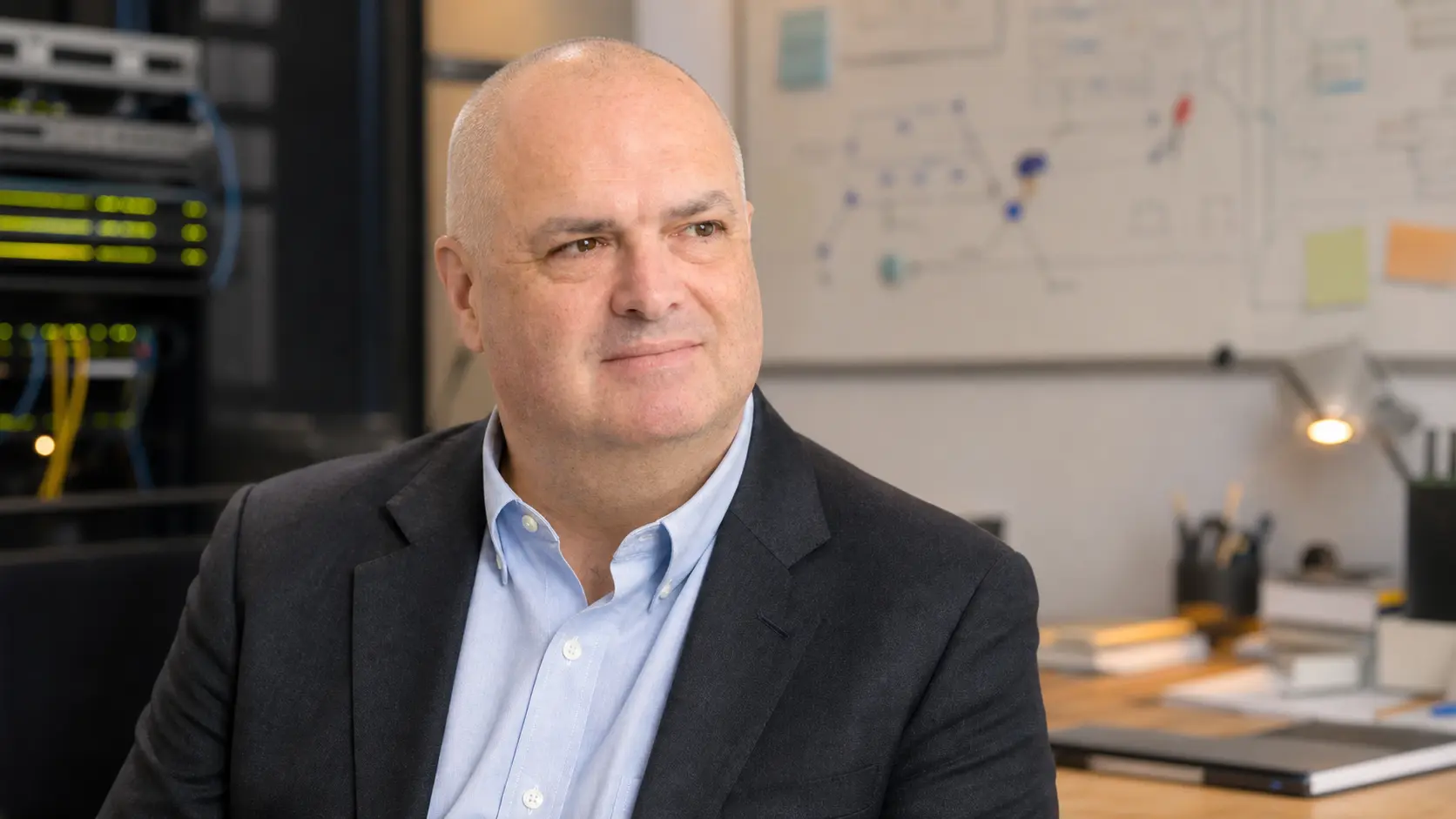
Carlos Martinez-Cagnazzo and the Boundary Work of Routing Security
Carlos Martinez-Cagnazzo's public record does not describe a lone architect making the internet safe. It shows a more instructive kind of authority: a regional registry strategist working where cryptographic standards, trust-anchor operations, operator education and cross-border…

History
Geoff Huston and the Transfer of Australia's University Internet
From building AARNet in 1989 to the migration of AUNIC in 2001, the documented roles of Geoff Huston reveal how capacity, commercial demand, and public legitimacy divided the overlapping responsibilities of a small technical community among universities, operators, registries…

Asia-Pacific Datacenter
Macquarie acquires site in Sydney for 200MW data centre campus
Macquarie developed its campus plan in Sydney, but the size and timing of each construction stage have not yet been determined.

North America Datacenter
TSMC commits additional $100 billion to Arizona expansion
TSMC expands its manufacturing programme in Arizona after record quarterly earnings, but the additional capacity has no published delivery schedule.

Global Institutional
JPMorgan's London Whale trades made risk limits and valuation control a bank-governance accountability test
The London Whale episode became a bank-governance accountability test because a portfolio presented as protection against credit stress grew into a concentrated and difficult-to-exit trading position while model changes reduced its reported risk, repeated limit breaches failed to…