
Primary Domain
Technology
Within the Primary Domain facet, Technology intelligence groups reporting by primary domain so readers can follow a focused area of internet infrastructure, governance, connectivity markets, or digital capital. The page brings together related articles, public evidence, institutions, companies, people, regional exposure, operating dependencies, and market context that may otherwise sit across separate category pages. It explains the domain, the likely actor class, the market or governance context, and the source material readers should use when comparing signals. Operators, analysts, and governance readers can see how the same domain appears across events, profiles, market shifts, public-source evidence, regional dependencies, and longer-cycle infrastructure decisions over time.

Global Institutional
DMTF and the Language of Server Management
A server can be powered off, inspected, updated or reconfigured even when its operating system is down. DMTF defines much of the language of that privileged management plane: from the Redfish API and MCTP transport to PLDM commands, SPDM identity and SMBIOS inventory. Common…
Global Institutional
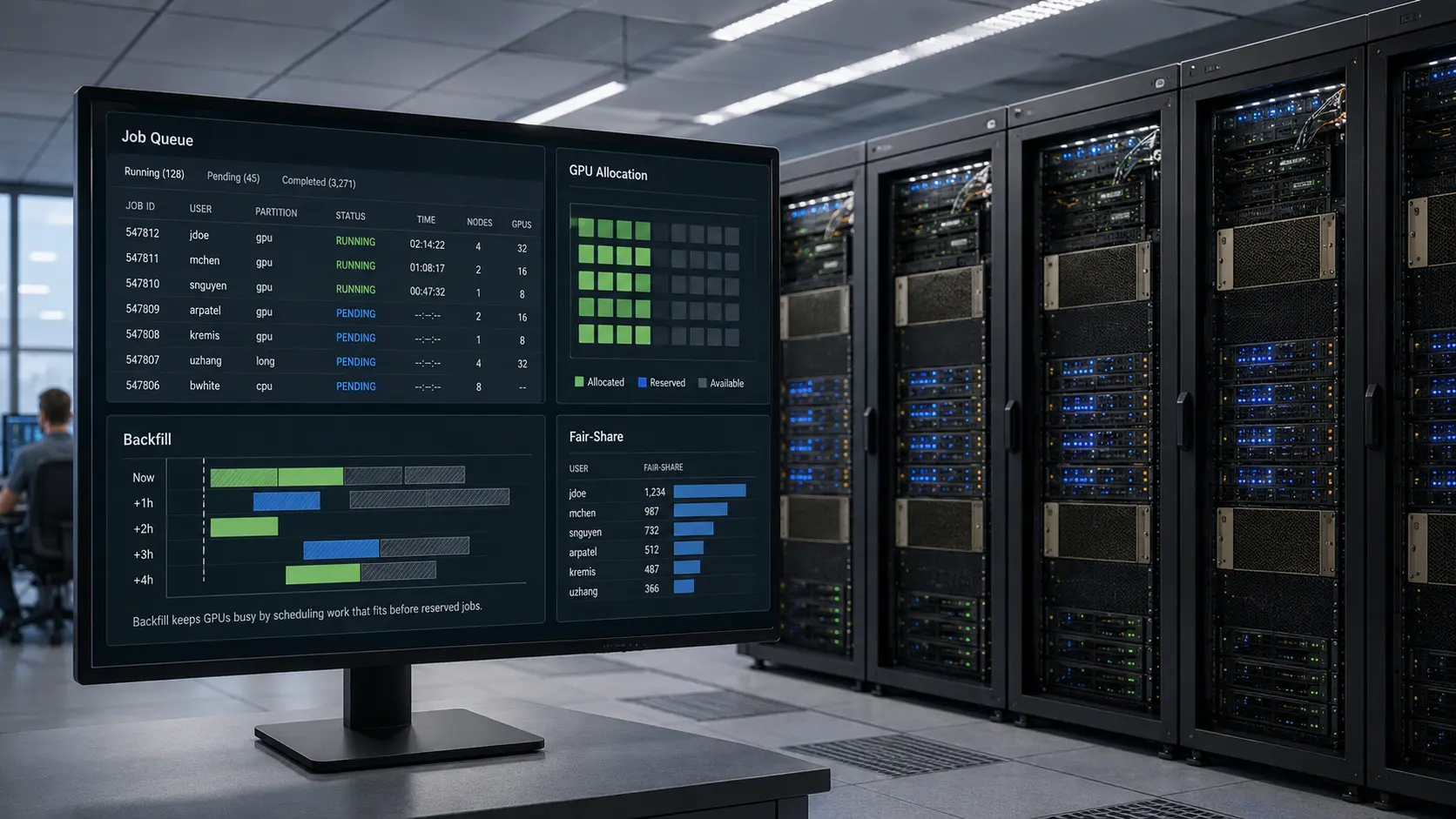
Slurm: The Scheduler That Decides Who Gets the GPU
Slurm allocates scarce compute across HPC and AI clusters, turning queue policy into a practical decision about who gets GPUs and when. NVIDIA’s 2025 acquisition of SchedMD gave the project more resources while making vendor-neutral stewardship a question that now has to be…

Global Institutional
NVM Express: how storage became a network protocol
NVMe began as a more efficient way to talk to the flash memory installed in a server. It has become a family of protocols capable of carrying the same command queues and namespaces over PCIe, TCP or RDMA. That continuity has made storage composable, while moving part of its…

Global Institutional
NVM Express: how storage became a network protocol
NVMe began as a more efficient way to communicate with flash memory installed inside a server. It became a family of protocols capable of carrying the same queue, controller and namespace model over PCIe, TCP or RDMA. That continuity enabled capacity to be disaggregated, but…

Global Institutional
NVM Express: How storage became a network protocol
NVMe began as a more efficient language for flash storage in the server. It became a protocol family that carries the same model of queues, controllers and namespaces over PCIe, TCP or RDMA. That continuity made storage composable but shifted complexity into the fabric, firmware…

Global Institutional
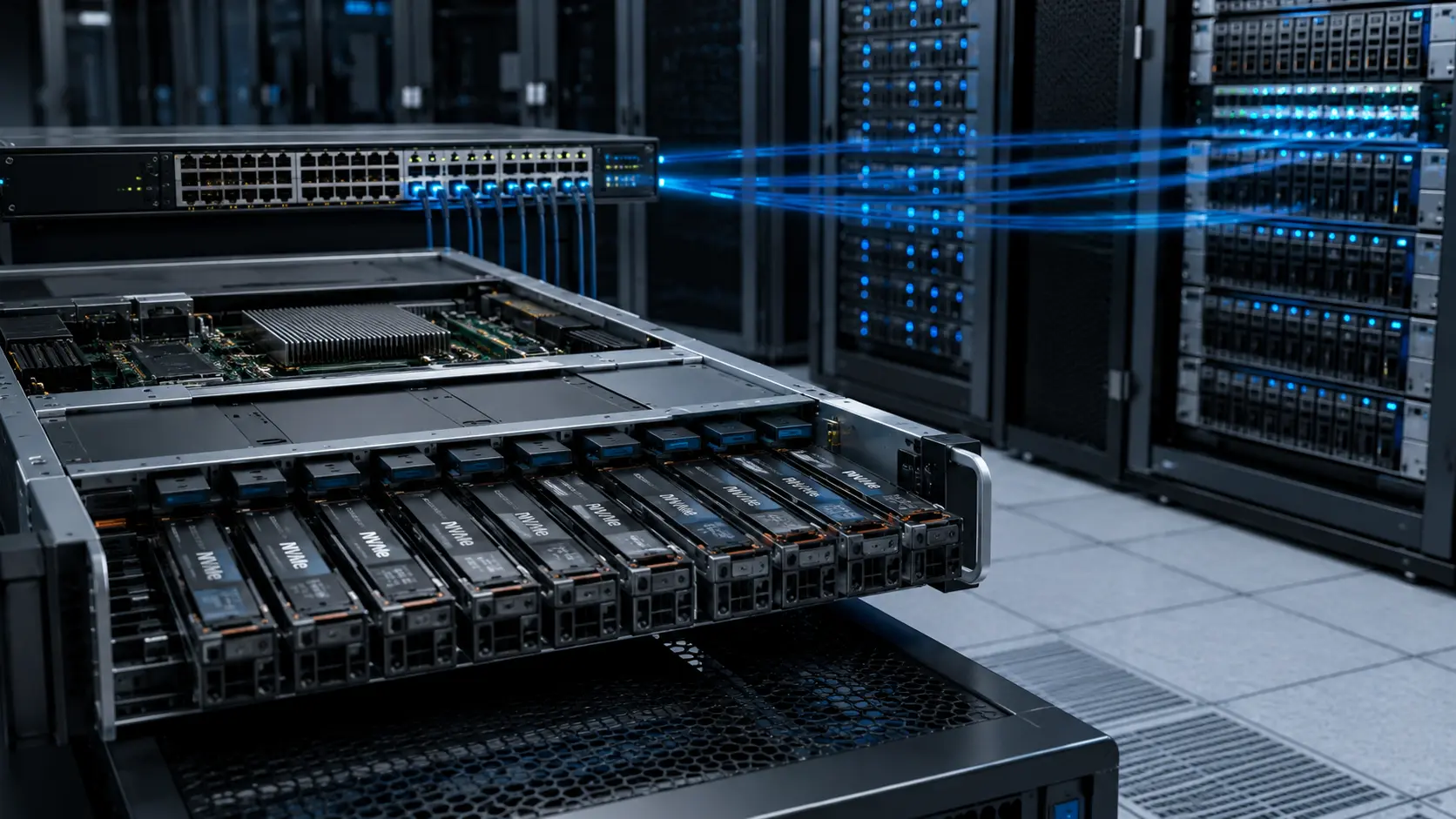
The UCIe promise for chiplets depends on what lies beyond the link
UCIe has defined a die-to-die interface that reaches 64 GT/s and now spans 3D packaging, raw traffic and whole-package management. The decisive test will be whether these rules sustain multi-vendor products when power, thermals, manufacturing yield, software, security and…
Global Institutional
NVM Express: How storage became a network protocol
NVMe began as a more efficient protocol for accessing flash inside servers and developed into a family of standards that carries consistent queue, controller and namespace semantics over PCIe, TCP and RDMA. It makes storage easier to pool and compose while shifting complexity…

Global Institutional
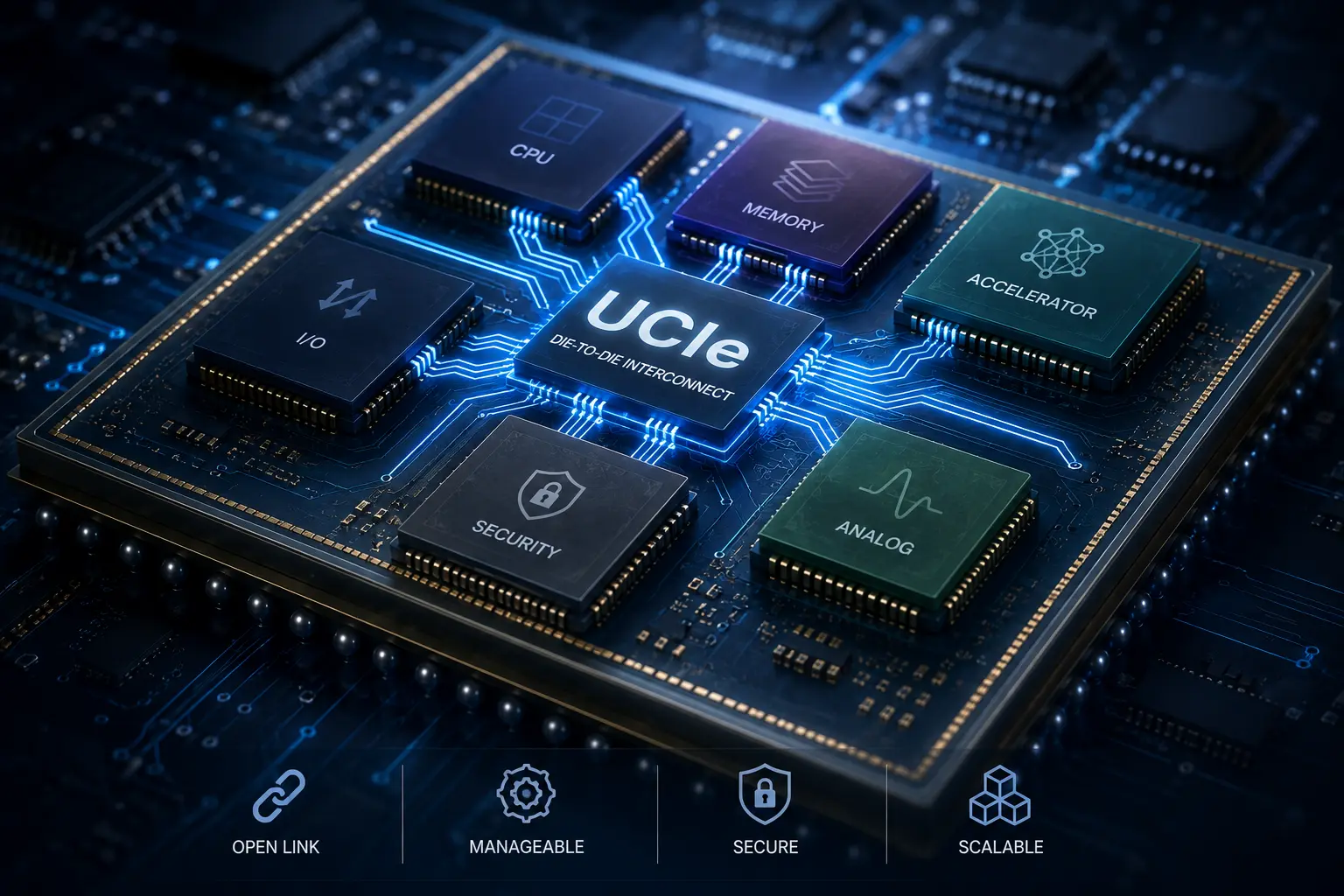
UCIe's chiplet promise depends on engineering and accountability beyond the link
UCIe has pushed the die-to-die interface to 64 GT/s and added 3D packaging, raw data transport and whole-package management. The real test is whether these rules can support multi-vendor products when power delivery, thermals, yield, software, security and accountability still…
Global Institutional
UCIe’s chiplet promise will be decided beyond the link
UCIe now defines a die-to-die interface reaching 64 GT/s and covering 3D packaging, raw traffic and package-wide management. Its market value depends on whether these rules can support multi-vendor products while power, thermal design, yield, software, security and liability…

Global Institutional
UCIe’s chiplet vision will be decided beyond the link
UCIe defines die-to-die links reaching 64 GT/s and now covers 3D packaging, raw traffic and package-wide management. Its real test is whether multi-vendor products can succeed while power, heat, yield, software, security and responsibility remain outside the standard.

Global Institutional
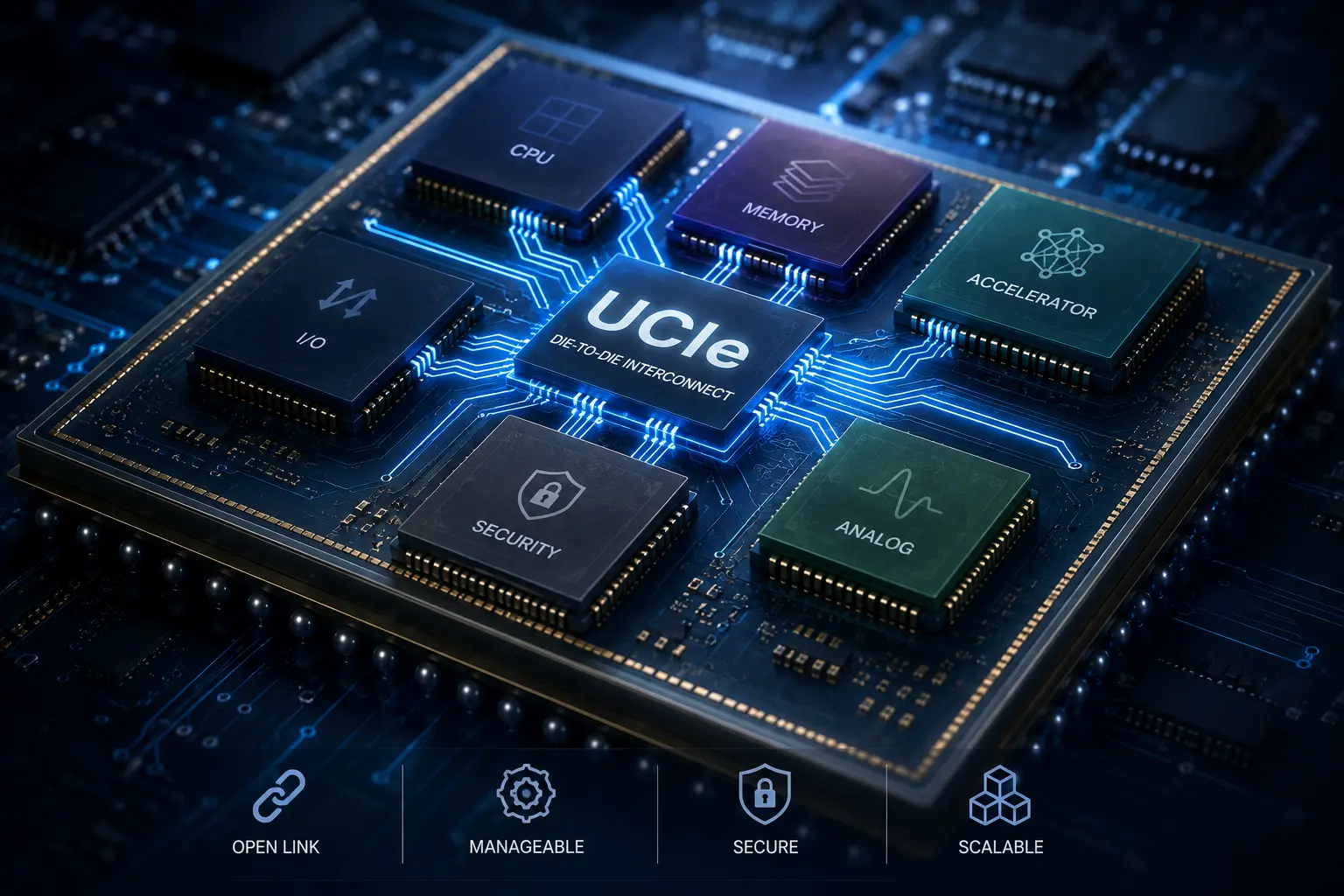
UCIe’s chiplet promise extends beyond the link
UCIe has defined a die-to-die interface capable of 64 GT/s, 3D stacking, raw traffic and package-wide management. The decisive test is whether those rules enable multi-vendor products while power, thermal design, manufacturing yield, software, security and contractual…
Global Institutional
The promise of UCIe depends on what happens beyond the link
UCIe has defined an inter-chip interface that reaches 64 GT/s and already covers 3D packaging, raw traffic and whole-package management. The decisive test will be whether those rules can sustain multi-vendor products when power, thermals, manufacturing yield, software, security…

Global Institutional
UCIe's chiplet promise hinges on what lies beyond the link
UCIe has defined a die-to-die interface that reaches 64 GT/s and now covers 3D packaging, raw data traffic and package-wide management. The deciding question is whether these rules can support multi-vendor products when power delivery, thermals, manufacturing yield, software…
Global Institutional
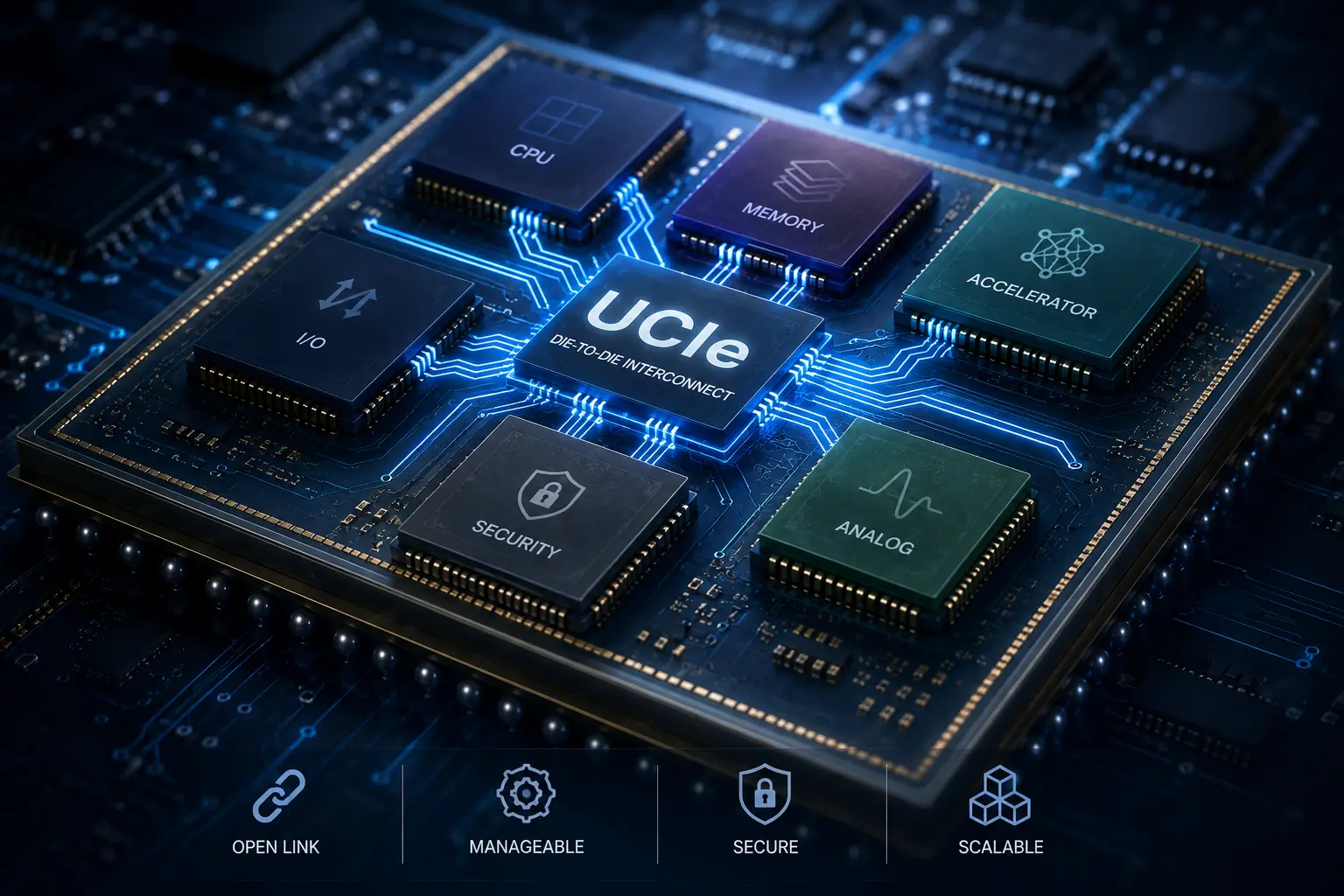
UCIe’s chiplet promise depends on more than the link
UCIe has defined a die-to-die interface reaching 64 GT/s and expanded its scope to 3D packaging, raw data traffic and whole-package management. The decisive test is whether these rules can support multi-vendor products while power, thermal design, manufacturing yield, software…
Global Institutional
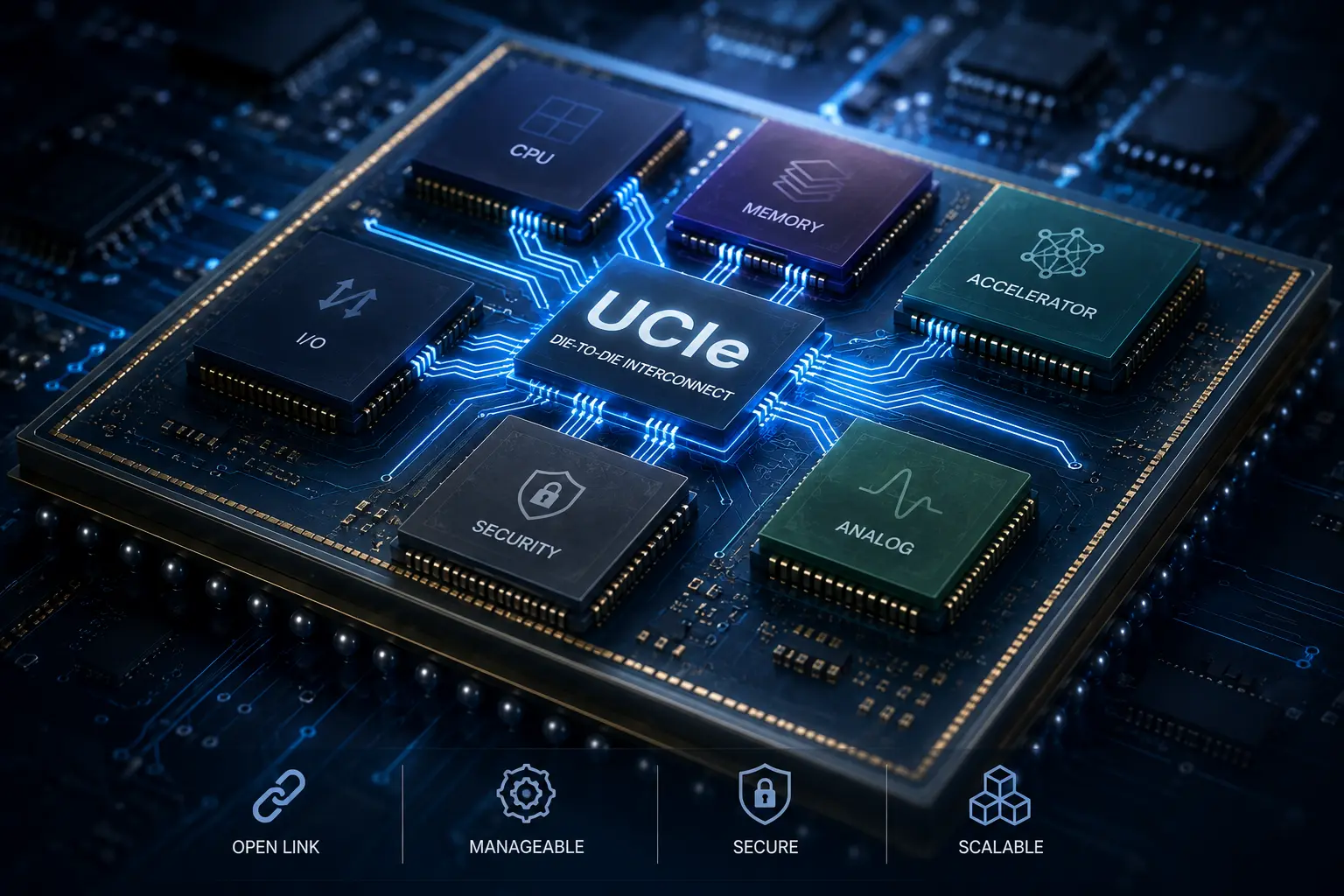
UCIe’s chiplet promise depends on what happens beyond the link
UCIe has defined a die-to-die interface that reaches 64 GT/s and now covers 3D packaging, raw traffic and package-wide management. The consortium’s real test is whether those rules can support multi-vendor products when power, thermal design, yield, software, security and…
North America Cloud Services Trends
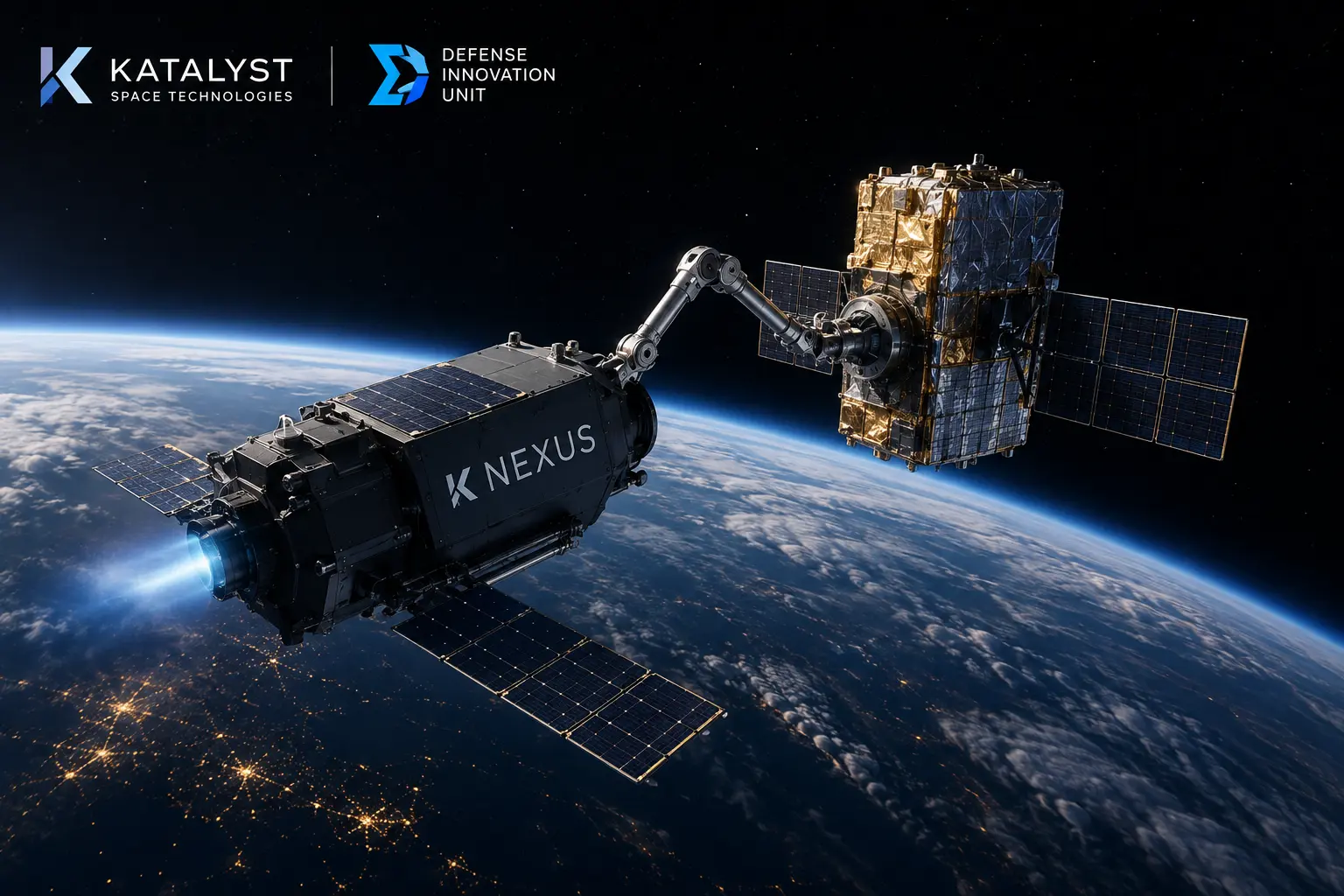
DIU selects Katalyst for deorbit-as-a-service design
Katalyst will take DIU's deorbit-as-a-service programme through preliminary design, with any flight phase using NEXUS still conditional.

Global Institutional
Console Connect: The Telecom Network Behind a Cloud-Style API
Console Connect presents global connectivity through the language of cloud consumption: choose endpoints, select capacity, create a service and manage it through a portal or API. Beneath that interface sits a more complicated system of carrier backbone, data-centre ports, local…

Global Datacenter
Equinix Fabric and the Limits of Programmable Interconnection
For more than a decade, Equinix has turned private connections between data centres, clouds, and network services into software-addressable products. The 2026 push into agent-assisted operations and geographic path control extends the platform's usefulness but also makes the…

Global Datacenter
Equinix Fabric and the Limits of Programmable Interconnection
Equinix has spent more than a decade turning private connections between data centres, clouds, and network services into software-manageable products. Its 2026 expansion into agent-assisted operations and geographically constrained routing pushes the platform into broader…

Global Cloud Services Trends
V-JEPA Predicted Video Features, Not a Finished World Model
Meta’s original V-JEPA release tested a focused idea: learn reusable video representations by predicting hidden features instead of rebuilding missing pixels. The February 2024 research showed a promising training direction, but its evidence remained bounded by checkpoints…