
Primary Domain
Risk and Accountability
Within the Primary Domain facet, Risk and Accountability intelligence groups reporting by primary domain so readers can follow a focused area of internet infrastructure, governance, connectivity markets, or digital capital. The page brings together related articles, public evidence, institutions, companies, people, regional exposure, operating dependencies, and market context that may otherwise sit across separate category pages. It explains the domain, the likely actor class, the market or governance context, and the source material readers should use when comparing signals. Operators, analysts, and governance readers can see how the same domain appears across events, profiles, market shifts, public-source evidence, regional dependencies, and longer-cycle infrastructure decisions over time.

Asia-Pacific Institutional
Robodebt made income averaging and legal authority an automated-government accountability test
Robodebt was not simply a defective calculation performed at scale. It was a public-administration system in which an unresolved question of legal authority became a production rule, annual tax data was treated as evidence about fortnightly income, and the practical burden of…

North America Institutional
Walkerton made chlorination, testing and adverse-result reporting a drinking-water accountability test
Walkerton was not one failed water sample or one delayed warning. It was a chain in which a vulnerable source, inadequate disinfection, unreliable residual records, mislabelled sampling, a laboratory notification gap, weak local oversight and incomplete provincial enforcement…

North America Institutional
Archegos made prime-broker concentration and margin escalation a counterparty-risk accountability test
Archegos Capital Management failed in March 2021 when falling share prices produced margin calls it could not meet. That description is accurate but incomplete. The larger institutional event was a test of whether global prime brokers could aggregate an opaque counterparty's…

Europe and Middle East Institutional
Hillsborough made crowd control, emergency response and disclosure a public-safety accountability test
Hillsborough was not an unavoidable consequence of too many people arriving at a football match. It was a public-safety failure in which unsafe venue controls, weak match planning, crowd redirection failures, delayed emergency recognition and fragmented medical command combined…

Europe and Middle East Institutional
Aberfan made coal-tip water risk and inspection a public-oversight accountability test
Aberfan was a preventable institutional failure in which water risk, tip siting, inspection, community evidence and escalation were not converted into control; the 1967 public inquiry placed responsibility on the National Coal Board, while present-day accountability asks whether…

North America Institutional
WIPP made waste characterization and ventilation defense a nuclear-repository accountability test
The 2014 Waste Isolation Pilot Plant release was not simply a drum failure deep underground. It was a failure to preserve chemical knowledge as waste moved from generation and treatment through characterization, certification, shipment, acceptance and emplacement, followed by…
North America Institutional
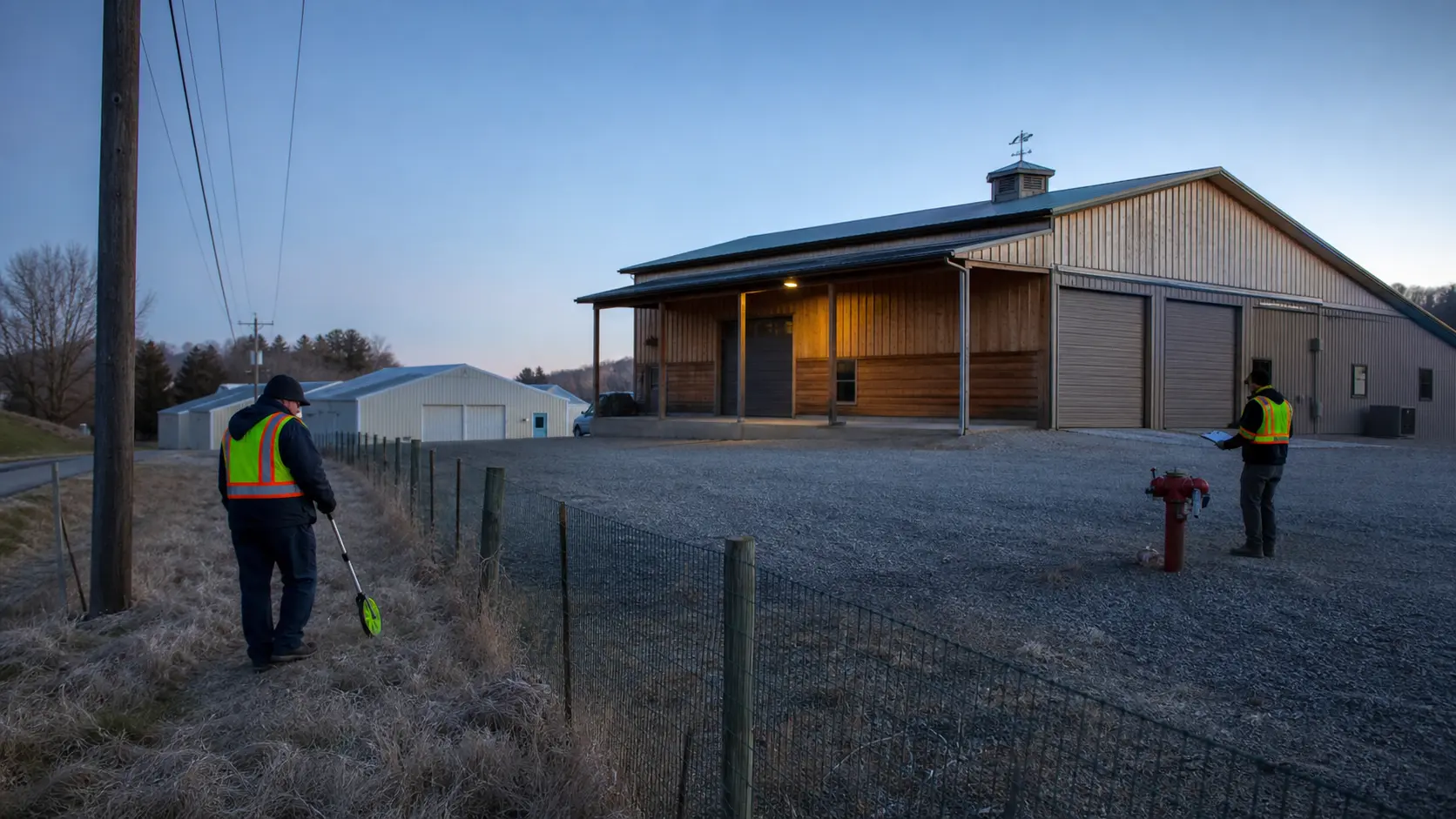
West Fertilizer made ammonium-nitrate storage and land-use separation a community-safety accountability test
The West Fertilizer disaster shows why ammonium-nitrate accountability cannot stop at ignition attribution: storage conditions, responder information, land-use separation, insurance capacity and verified reform all determine whether a facility fire stays inside the fence.

North America Institutional
Upper Big Branch made ventilation, rock dust and enforcement a mine-safety accountability test
The Upper Big Branch explosion was not an unavoidable feature of underground coal mining. On 5 April 2010, a methane ignition developed into a coal-dust explosion across a large part of the mine, killing 29 miners and seriously injuring two. Federal and West Virginia…

Europe and Middle East Institutional
Buncefield made tank overfill protection and secondary containment a process-safety accountability test
Buncefield was not simply a tank that overflowed or an alarm that failed. It was a transfer-control system in which a sticking gauge, an inoperable independent switch, inconsistent filling practice, weak fault history, demanding workload, deficient contractor control, permeable…

North America Institutional
NECC made sterile compounding and split oversight a patient-safety accountability test
The 2012 fungal meningitis outbreak linked to contaminated preservative-free methylprednisolone acetate from New England Compounding Center exposed a control problem larger than one dirty room. Sterility evidence, lot release, environmental monitoring, prescription boundaries…

North America Institutional
Wells Fargo made unauthorized accounts a sales-incentive accountability test
Wells Fargo's unauthorized-account scandal was not a story of a few employees defeating an otherwise sound control system. It was a prolonged institutional failure in which product goals, performance management, weak consent evidence, fragmented complaints, constrained risk…

Global Institutional
Volkswagen made the diesel defeat device a software-governance accountability test
Volkswagen's diesel emissions case became a software-governance accountability test because engine code did not merely support a regulated product: it changed the truth of the product's compliance representation according to the conditions under which that representation was…

Global Institutional
Boeing 787 battery fires made thermal-runaway containment a certification accountability test
Two lithium-ion battery events in nine days exposed a gap between the safety proposition certified for the Boeing 787 and the behavior of its installed batteries. The first produced fire in a parked Japan Airlines aircraft at Boston; the second forced an All Nippon Airways 787 to…
Asia-Pacific Institutional
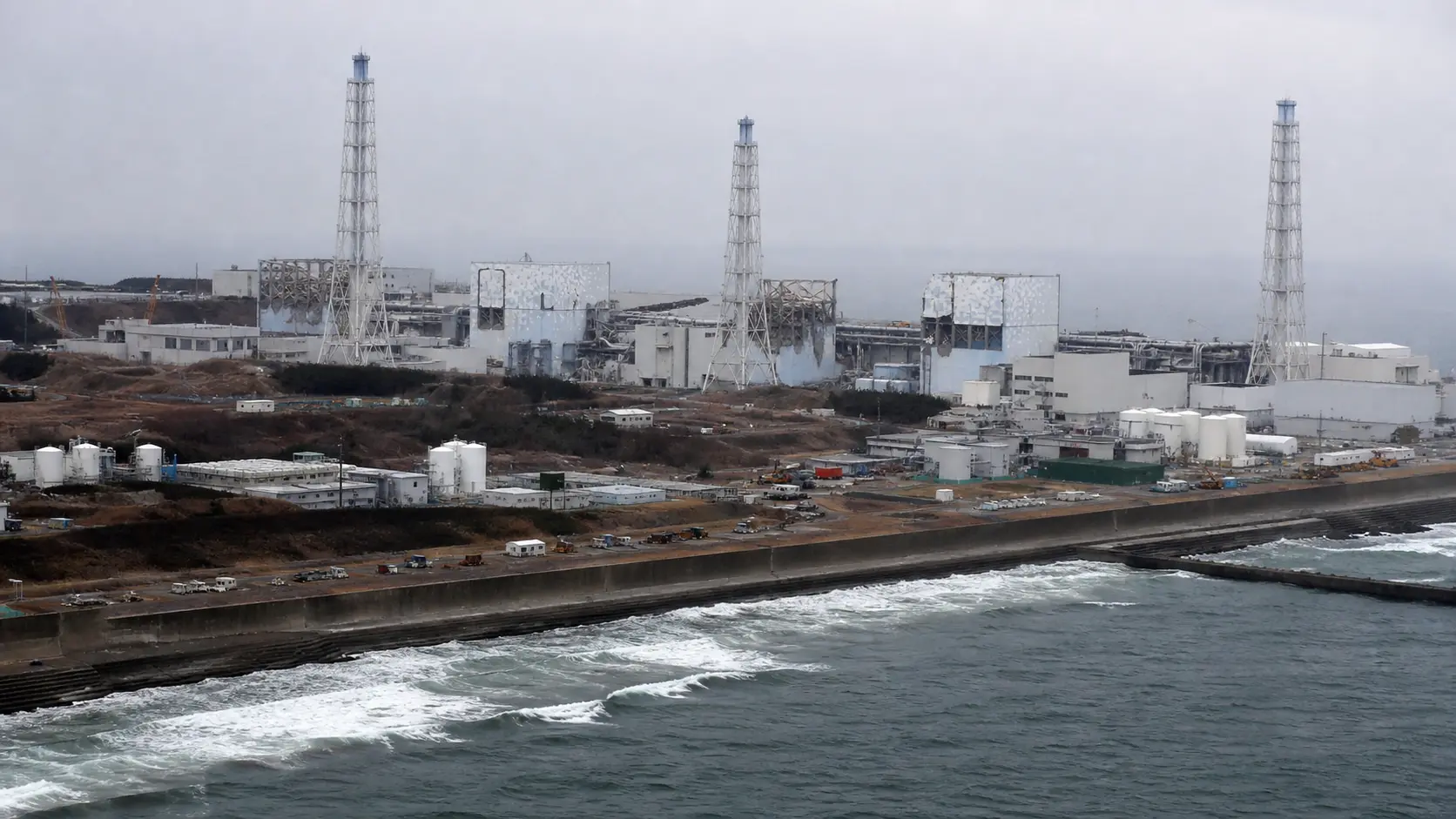
Fukushima Daiichi made station-blackout preparation a nuclear-safety accountability test
The Fukushima Daiichi accident began with an extraordinary earthquake and tsunami, but its accountability meaning lies in what happened after a predictable class of safety functions was lost. Flooding disabled electrical distribution, emergency power, instrumentation and heat…
North America Institutional
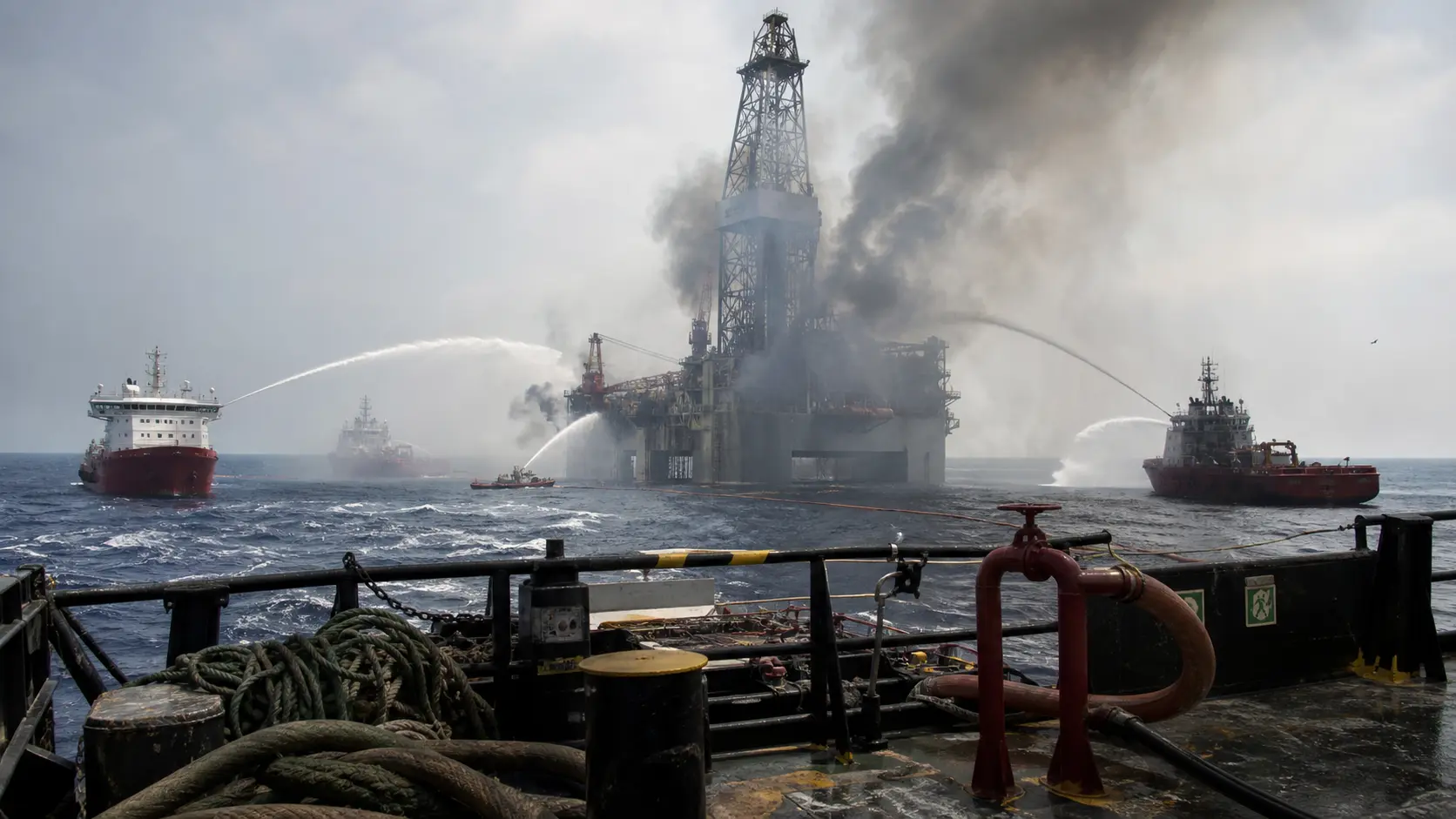
Deepwater Horizon made the Macondo negative-pressure test a well-control accountability test
Macondo was not lost at the instant one gauge moved or one person made one judgment. A fragile cement barrier, an improvised negative-pressure test, poorly integrated contractor controls, late kick recognition, a hazardous diversion path and a blowout preventer that could not…

North America Institutional
Space Shuttle Challenger made O-ring uncertainty a launch-decision accountability test
The loss of Challenger is often remembered as a cold-weather O-ring failure and a single launch-eve reversal. The official record is more demanding. A field joint whose sealing behavior was not fully understood accumulated anomalies across years of tests and flights; contractor…

North America Institutional
Space Shuttle Columbia made foam-strike normalization an organizational-learning accountability test
Columbia was not lost because NASA lacked warning signals. Foam had escaped from external tanks before, a large bipod-ramp loss had occurred on the flight immediately preceding STS-107, launch imagery showed the new strike, engineers sought better images, and the in-flight…

North America Institutional
Winter Storm Uri made Texas weatherization a grid-market accountability test
Winter Storm Uri was not a contest in which one fuel source failed and another passed. It was a common-mode failure across generation, natural-gas production and delivery, demand forecasting, critical-load mapping, market settlement, emergency communication and public…

North America Institutional
East Palestine made wayside detection and emergency response a rail-safety accountability test
A bearing did not go from healthy to harmlessly hot and then suddenly fail at a detector. It deteriorated while a 17,977-ton train moved through a system that measured external heat, classified the first actionable reading as non-critical, waited for another detector, and gave…

North America Institutional
Lac-Megantic made unattended-train securement a regulatory accountability test
The Lac-Megantic disaster was not the product of one inexplicable act. A parked crude-oil train was left dependent on an invalid hand-brake test, a leaking locomotive air system and operating practices that lacked an independent physical defence against movement. A locomotive…