
Primary Domain
IPv4 Scarcity Economics
Within the Primary Domain facet, IPv4 Scarcity Economics intelligence groups reporting by primary domain so readers can follow a focused area of internet infrastructure, governance, connectivity markets, or digital capital. The page brings together related articles, public evidence, institutions, companies, people, regional exposure, operating dependencies, and market context that may otherwise sit across separate category pages. It explains the domain, the likely actor class, the market or governance context, and the source material readers should use when comparing signals. Operators, analysts, and governance readers can see how the same domain appears across events, profiles, market shifts, public-source evidence, regional dependencies, and longer-cycle infrastructure decisions over time.

North America Institutional
ARIN Can Define a /22 to the Address. It Won't Define a Block.
ARIN's 7 October 2026 notice fulfilled 483 requests from 577 blocks and never said what a block is. Six weeks later a policy proposal arrived that exists precisely because those fragments cannot be stitched into a /22 — and the next distribution lands three days after a fee…

Latin America and Caribbean Regional ISP Trends
LACNIC Exhausted IPv4 Twice. Its Waiting List Still Can't Agree How Long the Wait Is.
One registry dates its IPv4 exhaustion twice, caps a newcomer at a single block of 256 to 1,024 addresses, and has quoted four different waiting times in two years — without ever showing the recovery rate behind any of them. Which number a 2026 capacity plan cites depends…

Europe and Middle East Cloud Services
Hetzner's €0.50 IPv4 Is a Subscription Wearing a Meter's Clothes
Hetzner prints one Primary IPv4 at €0.0008 an hour and €0.50 a month. Divide one by the other and the monthly figure lands at 625 hours — 26 days — so the meter always overshoots the subscription. The sentence that turns the monthly price into a ceiling is written about a server…
Story
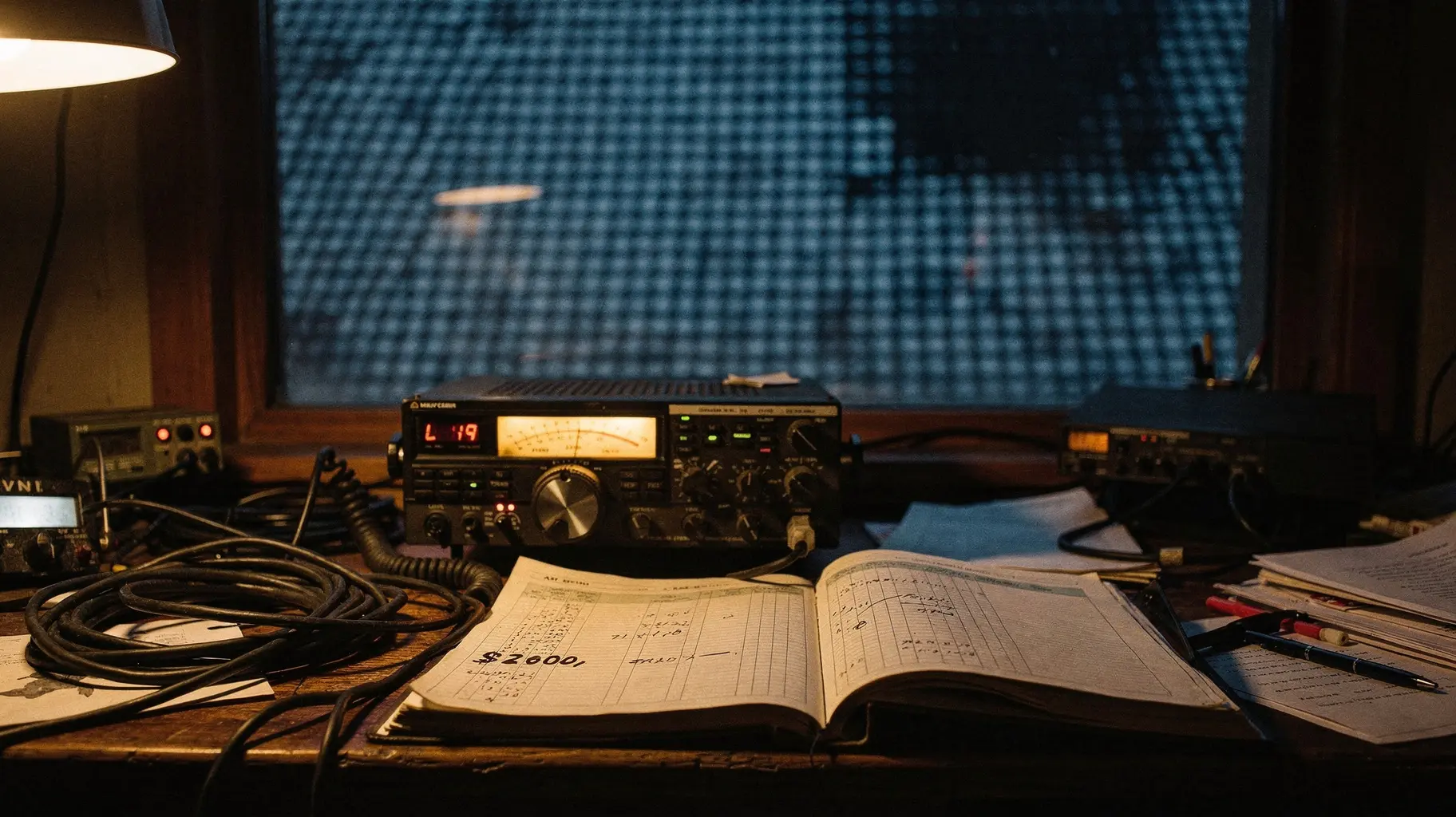
ARDC Sold a Quarter of Ham Radio's Internet. The Receipt Names Every Dollar and No Buyer.
On 18 July 2019 a message went out to the 44net mailing list with a sentence that closed one era of amateur radio networking and opened another: the top quarter of the former AMPRNet address space, 44.192.0.0/10, had been withdrawn from ham radio and sold. The same message…
Latin America and Caribbean Regional ISP
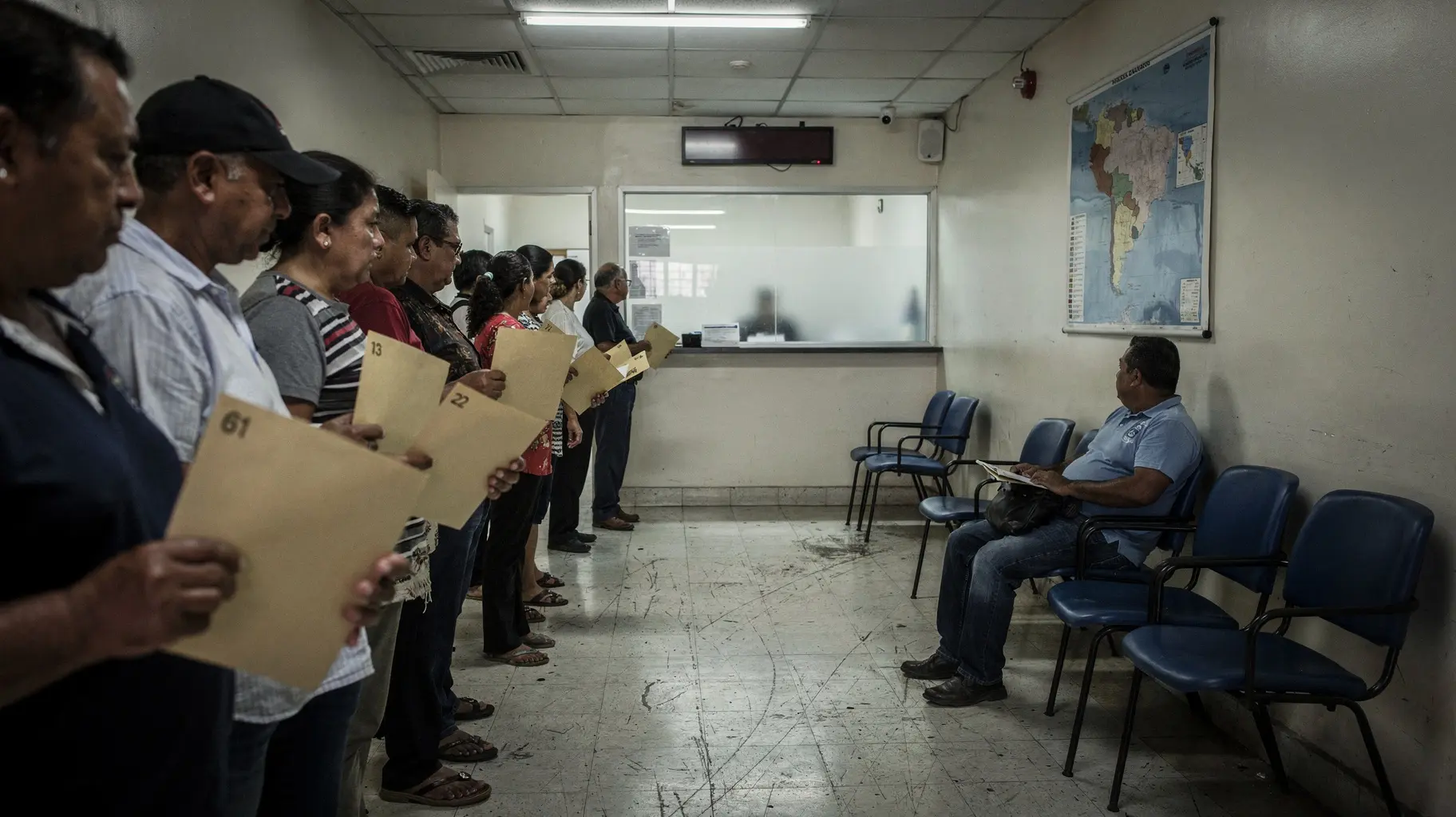
Brazil's Small ISPs Queue for IPv4 While NIC.br's 60% IPv6 Stat Pays No Bills
LACNIC's front page now leads with a waiting list for IPv4. Inside Brazil, NIC.br hands out the numbers and reports 60% of internet users on IPv6. For a regional provider, scarcity arrives as a place in line and an engineering bill — not yet as a quoted price.
Latin America and Caribbean Regional ISP
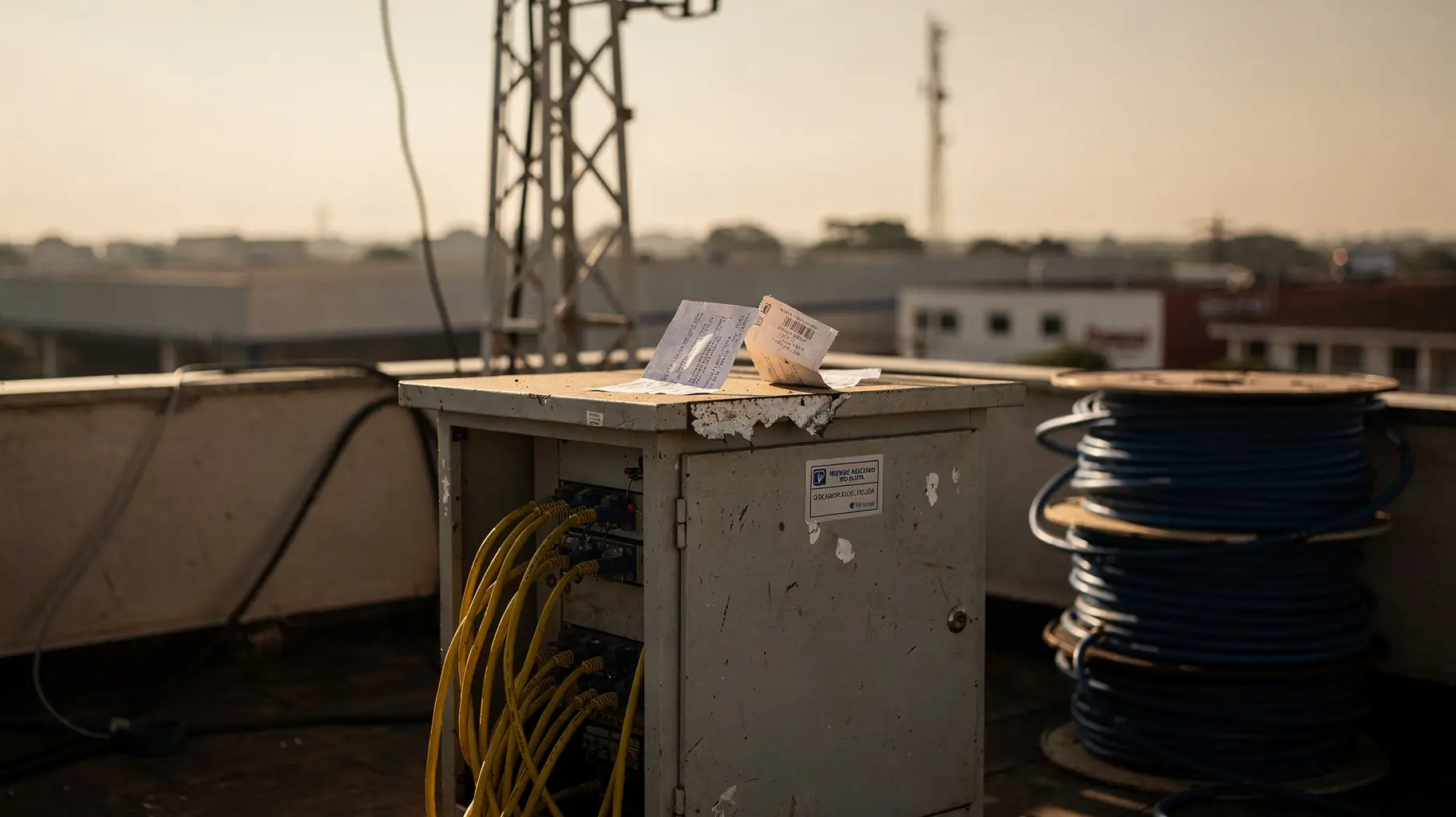
The IPv4 Waiting Room: How a Registry Queue, Not a Price, Decides Which Brazilian ISP Grows
A line on LACNIC's member list opens a file on a Brazilian provider. It says nothing about capacity — and in a market where small operators carry 54.3% of fixed broadband, a queue that rations timing instead of price quietly decides who grows.