
Content Type
Research
Within the Content Type facet, Research intelligence gathers BTW.MEDIA articles that share the same editorial format, helping readers compare briefings, profiles, risk notes, market analysis, and event coverage without mixing different kinds of evidence. The page explains how this content type frames internet infrastructure events, company movements, governance decisions, operational signals, and public evidence across the site. Readers can compare which actors or infrastructure systems appear most often, how source quality changes interpretation, and whether the material is a durable profile, a time-sensitive event, a strategic market signal, or a governance development. The result is a useful search page for operators, investors, customers, analysts, and policy stakeholders who need to understand the consequence, timing, and evidence behind similar article formats.
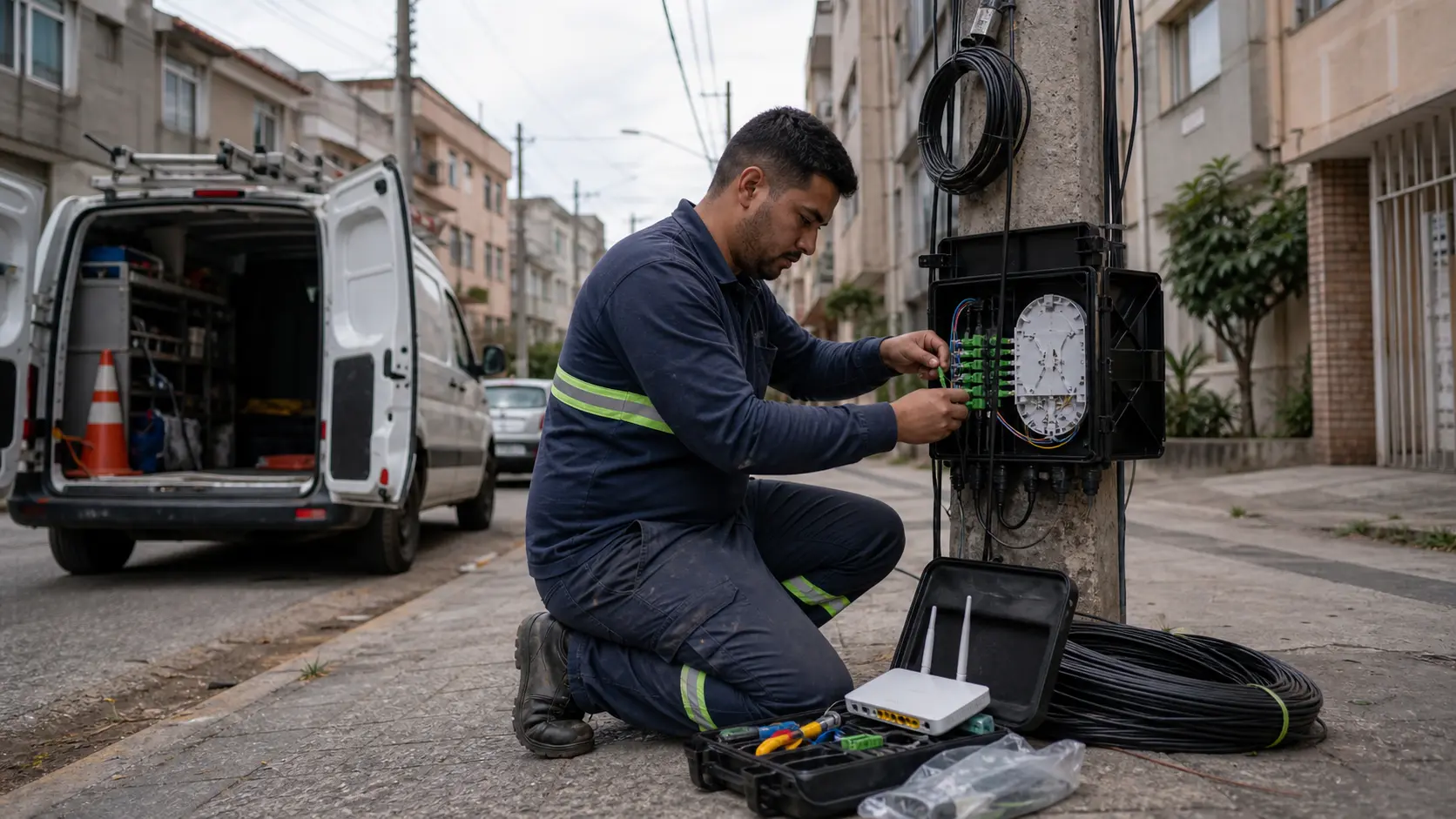
Webfiber's Margin Lives or Dies on the Second Truck Roll
| Field | Value | | --- | --- | | Author | Elias Ward | | Published | 2026-07-04 | | Primary category | company-region-latam-type-regional-isp | | Categories | company-region-latam-type-regional-isp | | Featured image |…

UnoFibra and the Expensive Street Behind a Cheap Megabit
| Field | Value | | --- | --- | | Author | Elias Ward | | Published | 2026-07-04 | | Primary category | company-region-latam-type-regional-isp | | Categories | company-region-latam-type-regional-isp | | Featured image |…
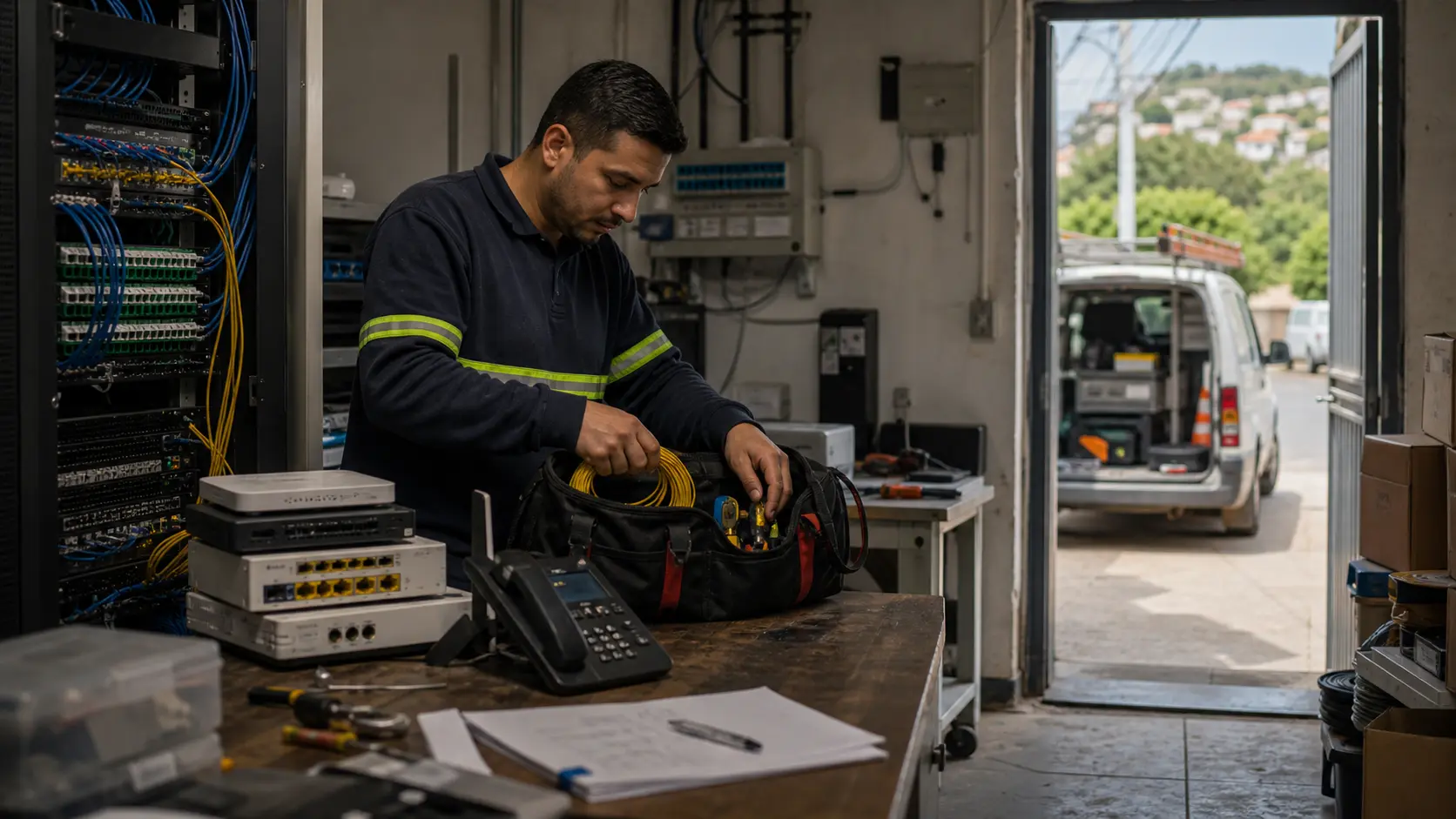
Terranet and the Small-Town Broadband Promise That Recovery Beats Raw Speed
| Field | Value | | --- | --- | | Author | Mara Voss | | Published | 2026-07-04 | | Primary category | company-region-latam-type-regional-isp | | Categories | company-region-latam-type-regional-isp | | Featured image |…

Latin America and Caribbean National Telecom
SETAR Aruba and the Island-Network Bill Beneath Tourist-Grade Connectivity
An Aruba hotel, port operator or public office can buy visible bandwidth more cheaply than it can buy confidence that a booking engine, payment terminal, dispatch desk or citizen service will still work when one path fails. SETAR N.V. is best understood through that redundancy…
Africa National Telecom
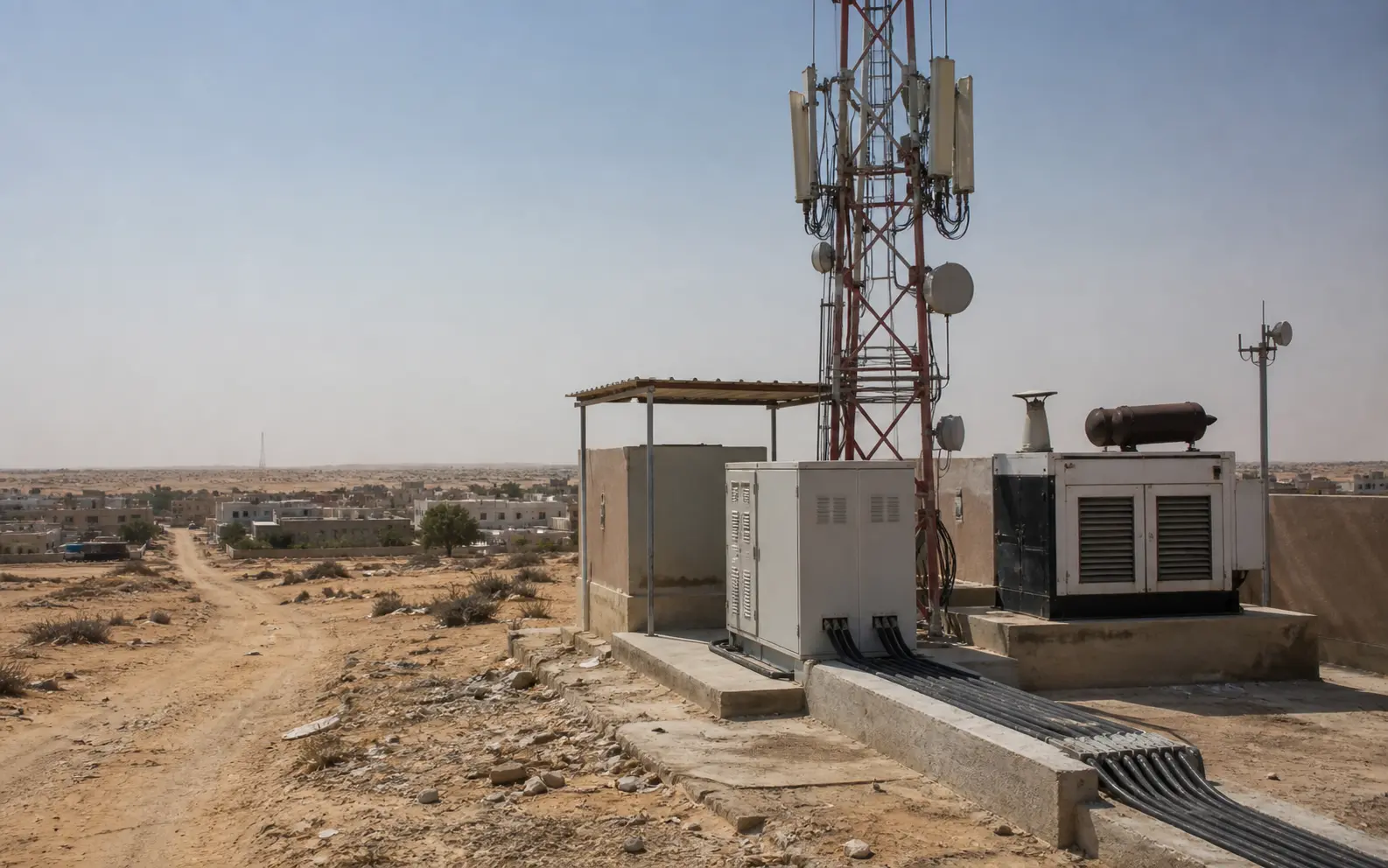
Mauritel and the desert coverage bill behind a cheap prepaid megabyte
Mauritel sells Mauritanian users a cheap prepaid path into the mobile internet, but every small data pass has to help pay for a national network stretched across desert towns, mining corridors, border roads, diesel-backed towers, fibre bottlenecks and maintenance teams that…

Europe and Middle East National Telecom
Tojiktelecom and the Price of Keeping Tajik Traffic Reachable Across Mountains
For a bank terminal in Dushanbe, a ministry service portal in a district center, or a regional ISP trying to keep customers online through winter and border-route volatility, Tojiktelecom is less a conventional telecom brand than a state-network wager: that enough local fiber…

Africa National Telecom
Orange Centrafrique and the Price of Keeping a Tower Alive
In Bangui, the price of a mobile connection is not only a tariff on a screen. It includes the fuel, security, cash liquidity, backhaul and repair discipline needed to keep a tower, a cash counter and a customer online in a country where grid power and road access cannot be…

Africa Regional ISP
Liquid Rwanda and the fibre toll behind Kigali's digital state
Kigali's digital-state ambition depends on more than fast retail broadband. Liquid Telecommunication Rwanda is economically interesting because it sells the harder thing beneath the visible speed test: a fibre path, border route, local exchange position and restoration promise…

Europe and Middle East Regional ISP
Universal Satellite Communication DMCC and the Premium on Backhaul When Land Routes Stop Being Bankable
Universal Satellite Communication DMCC matters because its Universal Satcom and Universal Satnet surfaces sell a specific kind of connectivity insurance: satellite backhaul for customers that cannot assume a fibre route, mobile network or national gateway will be physically…

Latin America and Caribbean Regional ISP
Sistemas Satelitales de Colombia and the bill after fibre stops
Sistemas Satelitales de Colombia S.A. ESP is most visible in public records as a Bogota voice, SIP, cloud and carrier-interconnection operator, yet its name lands in a Colombian market where the hard price is still remote continuity: the school, mine, river town or emergency site…

Africa Regional ISP
Internet Solutions Mozambique and the Rent Between Maputo Capacity and Inland Resilience
Internet Solutions Mozambique matters because a Maputo business does not buy resilience from a submarine cable alone. It buys an accountable path between the landing capacity near the capital, the branch that still needs service after a fibre break or power event, and the…

Latin America and Caribbean Datacenter
Datanetworks Chile and the rack-locality premium outside hyperscale comfort
Datanetworks Chile sits in the uncomfortable but useful middle of Chile's cloud market: too small to compete with the new hyperscale regions on breadth, yet specific enough to sell local racks, managed private servers, Chilean support and jurisdictional proximity to buyers who…

Latin America and Caribbean Cloud Services
Locaweb and the Brazilian hosting margin after software, payments and cloud stopped being separate
Locaweb is no longer just a Brazilian web-hosting name competing on a cheap monthly site plan; its margin now depends on whether a small merchant can be kept alive long enough to buy commerce software, payments, logistics, support and local cloud capacity while global substitutes…

Story
AFRINIC exhaustion rules and the timing risk in network growth
Fast-growing African networks face IPv4 scarcity as a timing, financing and option-value problem: demand is accelerating while AFRINIC's exhaustion rules and institutional uncertainty raise the cost of each expansion plan.

Story
Why uniform AFRINIC procedures weigh unevenly on poorer markets
AFRINIC's procedures are formally uniform, but weak currencies, hard-currency payment channels, documentation costs, IPv4 scarcity and institutional uncertainty make the same registry layer far more expensive for operators in poorer markets.

Story
AFRINIC record certainty in island network insurance
AFRINIC's record layer is part of the island network economy: when registry certainty weakens, cable diversity, tourism continuity, ports, customs and disaster recovery all become more expensive to insure.

Story
AFRINIC scarcity and the fixed costs behind rural connectivity
In rural African broadband, scarce IPv4 and registry uncertainty can turn address evidence into a fixed cost that weakens school, clinic, municipal and local-enterprise connectivity.

Story
When AFRINIC address proof becomes a fixed cost for small ISPs
IPv4 scarcity and registry uncertainty can turn address evidence into a fixed cost that raises the minimum efficient scale for small African ISPs before they win customers.

Story
How AFRINIC registry uncertainty reaches customer continuity
AFRINIC's institutional stress shows how registry uncertainty travels through operators into customer downtime risk, procurement friction, contract cost and market trust.

Story
Reverse DNS delegation as AFRINIC bargaining power
Reverse DNS delegation is a small parent-zone act with large bargaining power when scarce AFRINIC-region addresses are transferred, leased or frozen in disputes.