
Content Type
Briefing
Within the Content Type facet, Briefing intelligence gathers BTW.MEDIA articles that share the same editorial format, helping readers compare briefings, profiles, risk notes, market analysis, and event coverage without mixing different kinds of evidence. The page explains how this content type frames internet infrastructure events, company movements, governance decisions, operational signals, and public evidence across the site. Readers can compare which actors or infrastructure systems appear most often, how source quality changes interpretation, and whether the material is a durable profile, a time-sensitive event, a strategic market signal, or a governance development. The result is a useful search page for operators, investors, customers, analysts, and policy stakeholders who need to understand the consequence, timing, and evidence behind similar article formats.
CASE FILE
CNCF's TAG-to-TOC Move Needs an Exit-and-Continuity Receipt
Three former Technical Advisory Group leaders entered the Cloud Native Computing Foundation's 2026 Technical Oversight Committee cohort. CNCF says they stepped down from TAG leadership because TOC members may not hold TAG lead positions at the same time. That is a useful public…

North America Cloud Services Trends
Data443’s Voting Sunset Leaves a Conversion Right Behind
The proposed Four Leaf combination puts a time limit on enhanced votes. It does not make the preferred shares disappear, or turn each remaining preferred share into one ordinary vote.

IETF
IETF’s Vienna Space Squeeze Tests the Forecast Behind Venue Selection
A popular meeting can still run short of places to work between sessions. The IETF’s Vienna review exposes the timing problem behind a venue decision: a forecast can change after the room for adjustment has narrowed.
Global Cloud Services
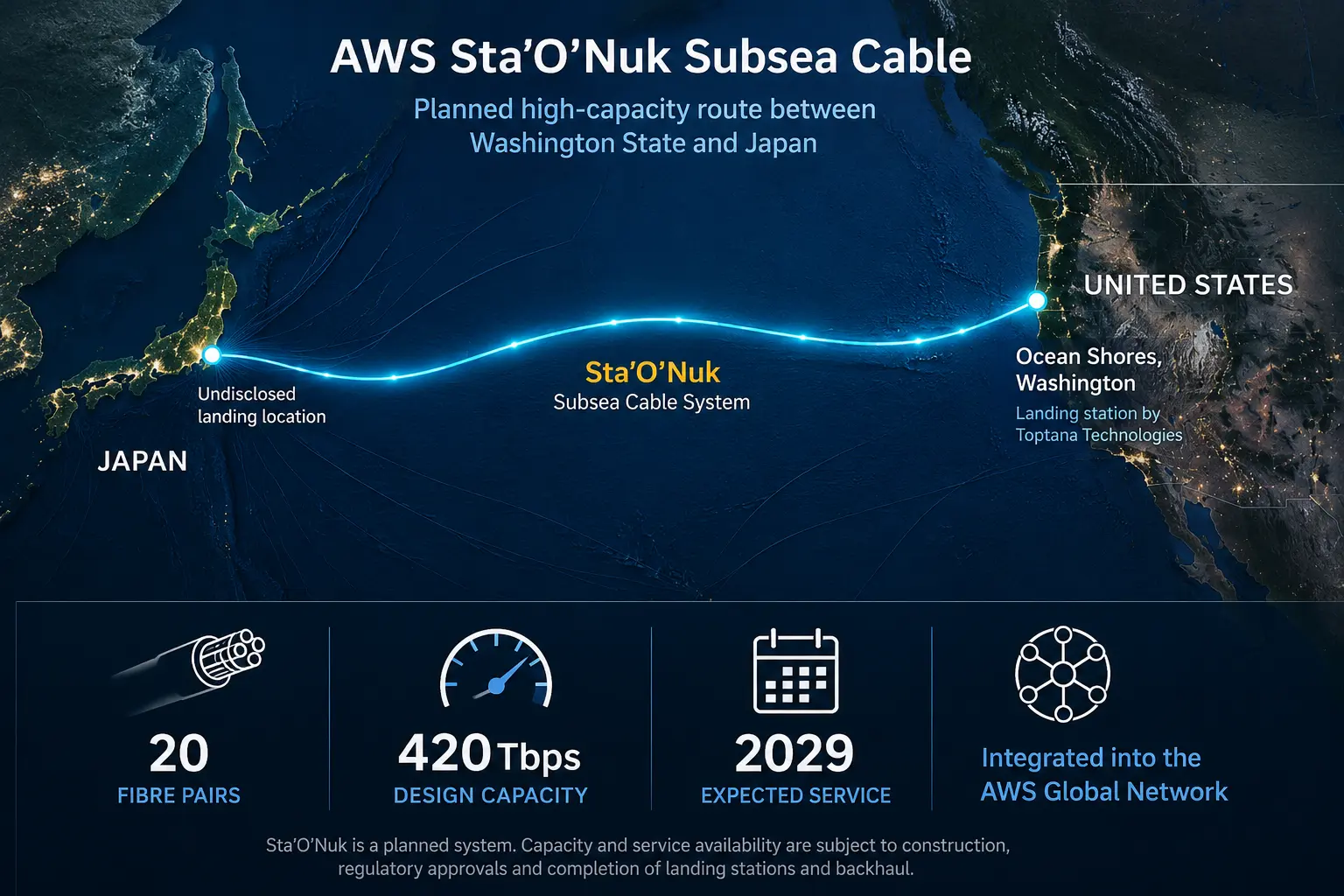
AWS plans 420Tbps US-Japan subsea cable
AWS is developing Sta’O’Nuk, a 20-fibre-pair subsea cable between Washington state and Japan that it expects to bring into service in 2029.

Global National Telecom Trends
SES, De Boer Marine expand FlexMaritime partnership
SES will supply FlexMaritime connectivity while De Boer Marine handles onboard installation and management for maritime customers under a multi-year agreement.
CASE FILE
The Slice Identifier Reached the Transport Edge. The Guarantee Still Had to Be Built: RFC 9889
RFC 9889 turns 5G network slicing into a chain of accountable translations: the mobile domain can name a slice, but the transport domain must still classify traffic, allocate resources, install state and prove the resulting service.

Global Cloud Services Trends
Genesys Expands Agent Choice. Flow Design Sets the AI Meter.
The company's larger AI ecosystem gives contact centres more options. Its native billing examples show why an unused capability can still affect the interaction's charging tier.
Africa Regional ISP
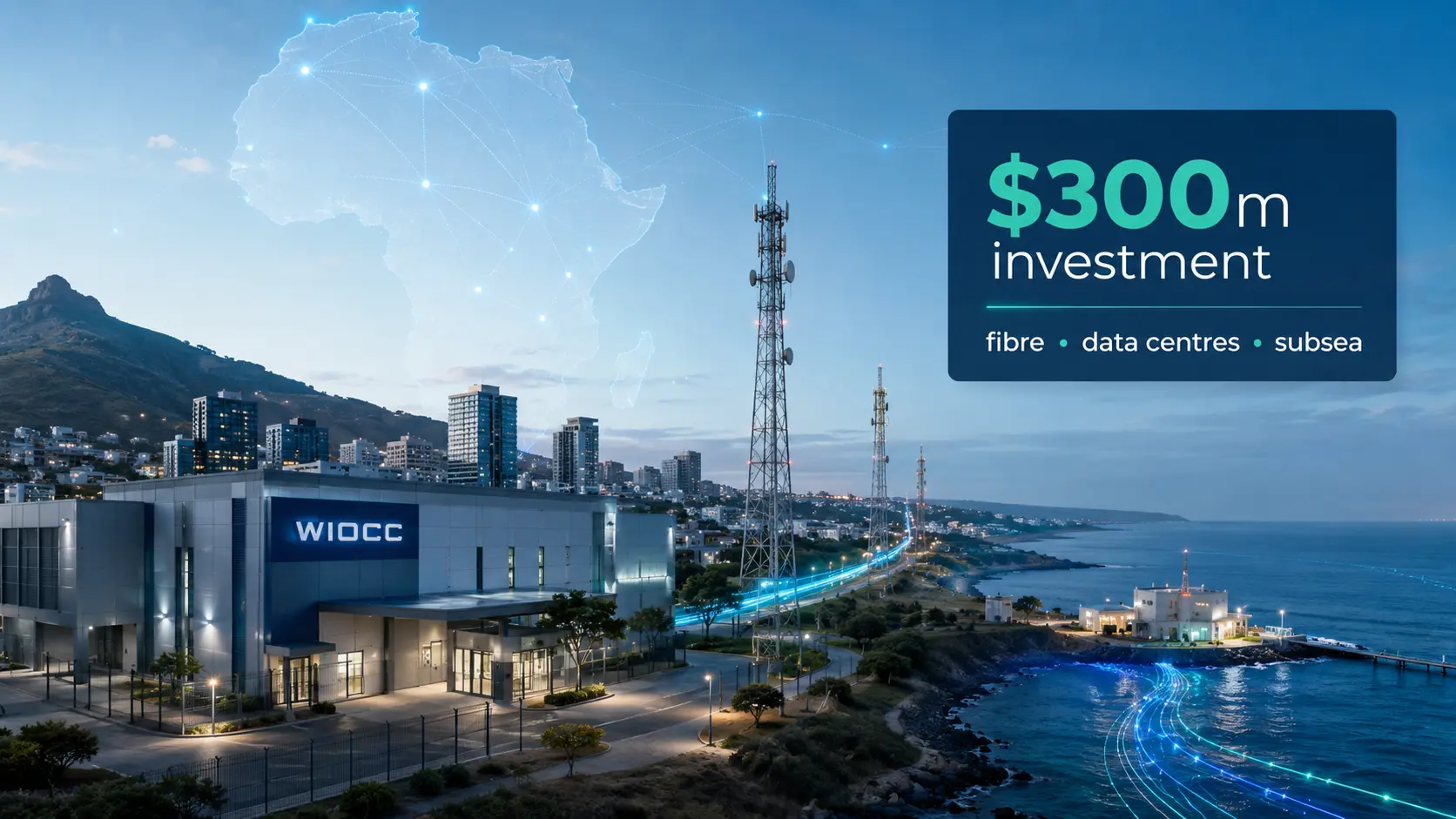
WIOCC signs $300m investment deal
AFC and Vision Invest have agreed to invest $300m in WIOCC Group to support data-centre, terrestrial fibre and subsea expansion across Africa.
Story
APNIC’s Automation Workshop Has a Second Job: Teaching Its Successors
The Mumbai course is meant to prepare engineers to teach and rebuild their own training labs. That makes it part of a practical handoff before network automation leaves APNIC’s instructor-led curriculum at the end of 2026.
IETF
The IETF Trust Has a Final Chair. Its Exit Still Needs an End-State Record.
A transition can be described truthfully and still be incomplete as a public record. A named final chair tells readers who is carrying a residual office. An asset-transfer announcement tells them that an important legal step happened. Neither statement, by itself, tells them…
Europe and Middle East Datacenter Trends
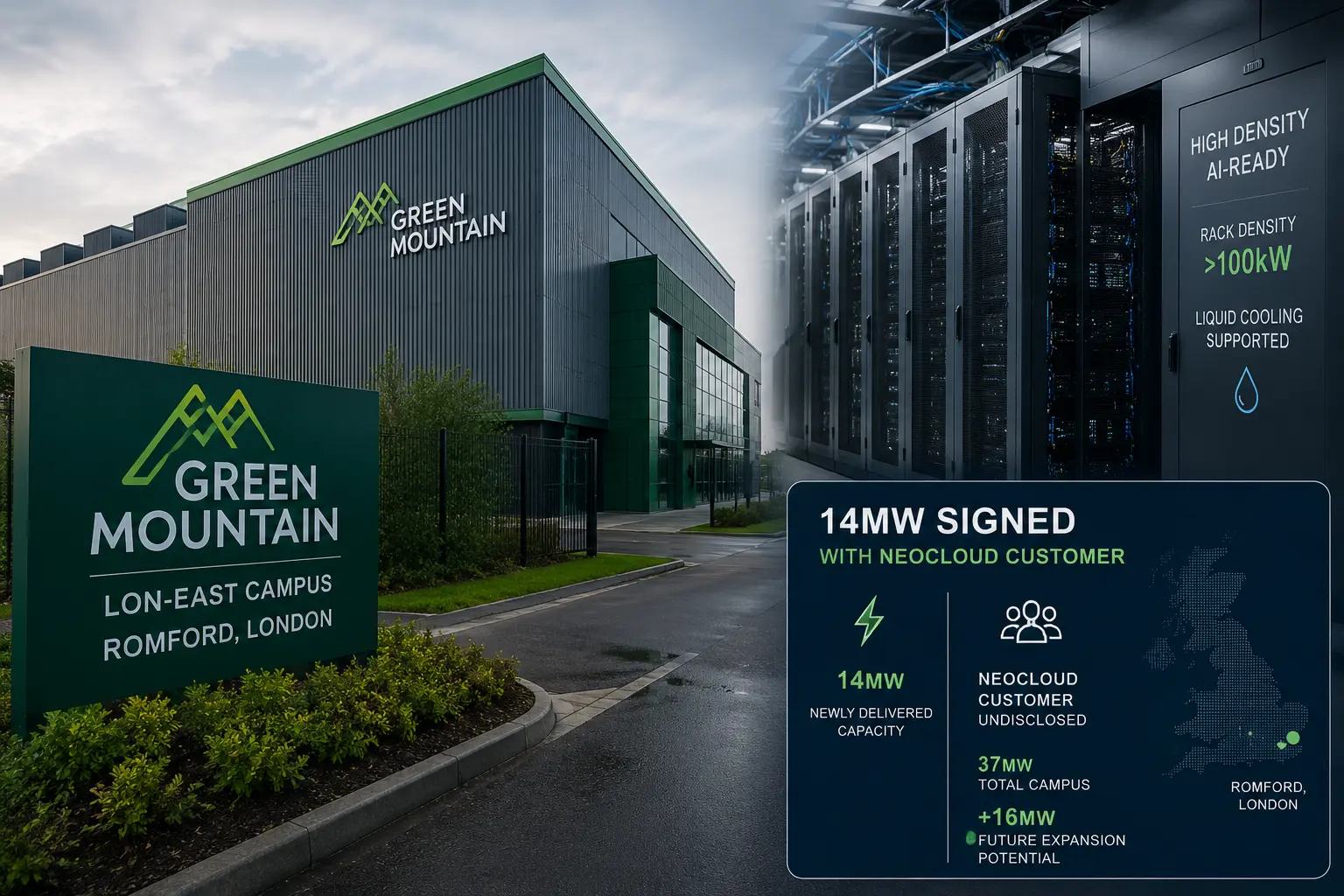
Green Mountain signs 14MW London neocloud customer
Green Mountain has signed an unnamed neocloud customer for the newly delivered 14MW expansion at its LON-East campus in Romford.
CASE FILE
The Token Arrived Before the Call. Verification Still Had to Wait: RFC 9888
The signed identity token reached the destination service first. The telephone call was still crossing a path that could not carry that token with it. RFC 9888 makes this split useful for legacy networks, but it also leaves an operational obligation: two arrivals on two channels…

North America Cloud Services Trends
NetSPI–Synack Deal Puts the Service Catalogue in Focus
A broader security-testing portfolio could make purchasing easier. Federal customers will still need to know which service, in which environment, they are being offered.

Asia-Pacific Institutional Trends
Shunkai quantum computer starts operation
Japan's Shunkai system is operating with an initial configuration of about 50 qubits as researchers begin work on stability, external access and larger-scale operation.

Story
Inside AFRINIC’s June Reserve Total
AFRINIC’s June financial report puts a reserve balance and an interest estimate on the same page. Reading the distinction properly changes what its $6.6 million total can tell members about growth, cash and the year ahead.

Europe and Middle East Institutional Trends
North Media buys BEAM grid-balancing platform for DKK 9m
North Media has acquired BEAM, a software platform designed to aggregate distributed energy assets for Denmark's grid-balancing market.

Europe and Middle East Cloud Services Trends
Aize’s Samp Deal Opens a Door to Older Plants
Area-based software subscriptions can bring more people into a digital twin. Keeping the plant’s representation current still needs an owner.

Europe and Middle East National Telecom Trends
Neo Space Group and Arabsat sign satellite services MoU
Neo Space Group and Arabsat will explore satellite communications, geospatial services and other space technologies across the Gulf and Middle East.

North America Datacenter Trends
Nscale closes $3bn financing for two US AI sites
Nscale will use the facilities to fund GPU systems and supporting infrastructure at its Ward County and Madison AI sites.
Asia-Pacific Institutional Trends
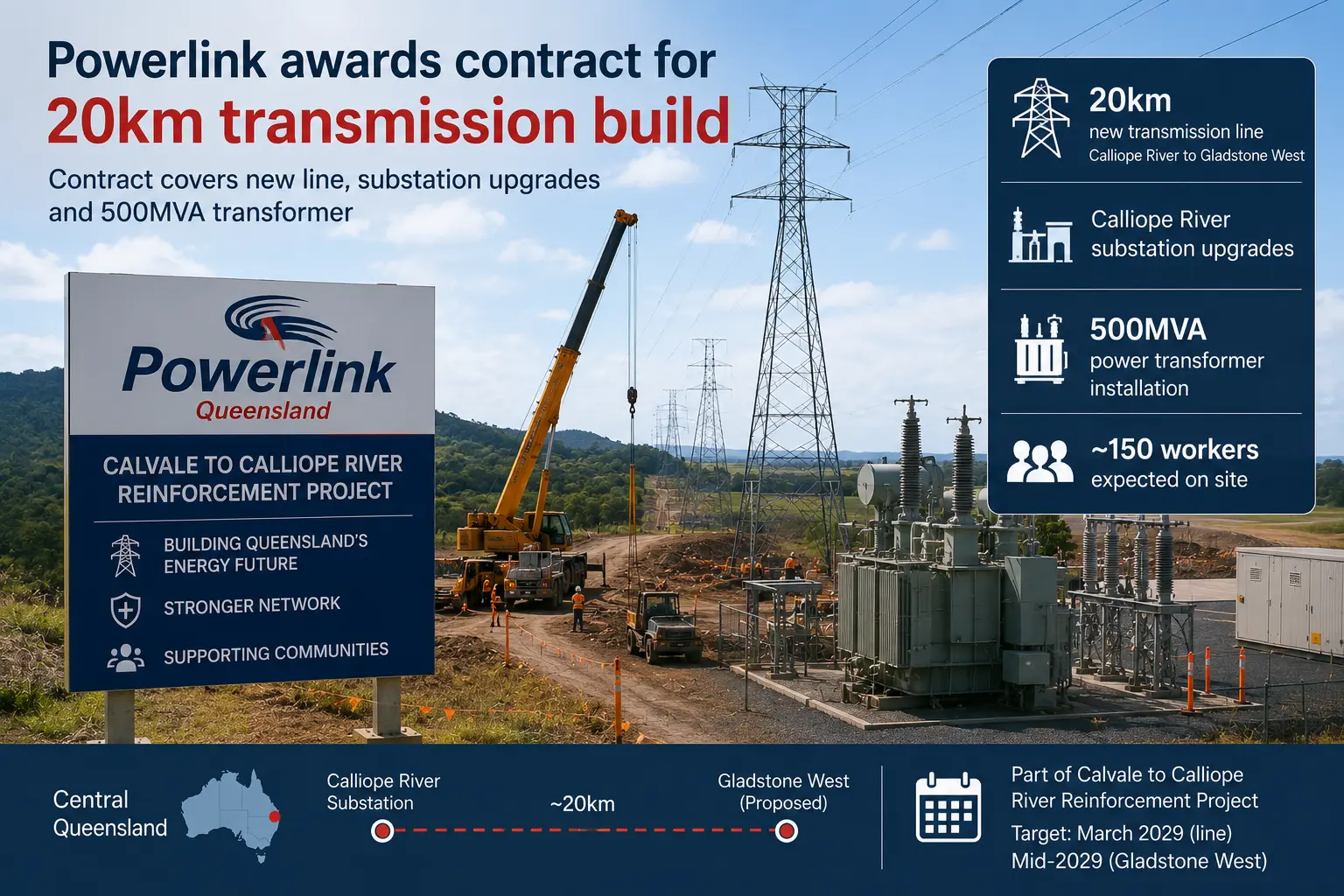
Powerlink awards 20km Queensland transmission contract
Powerlink has awarded CPP a contract covering 20km of transmission line, Calliope River substation upgrades and a 500MVA transformer.