
Europe tightens scrutiny on X’s Grok under Digital Services Act is profiled by BTW Media because public-source evidence links it to internet infrastructure, governance, operational dependencies, or market visibility.
Europe tightens scrutiny on X’s Grok under Digital Services Act is tracked as a internet infrastructure institution within the internet infrastructure ecosystem.
Europe tightens scrutiny on X’s Grok under Digital Services Act has public-source relevance to network operations, governance, dependency mapping, or market structure.
Europe tightens scrutiny on X’s Grok under Digital Services Act is tracked as a internet infrastructure institution within the internet infrastructure ecosystem.
Public-source signals support medium-impact monitoring for infrastructure visibility and dependency analysis.
Europe tightens scrutiny on X’s Grok under Digital Services Act is profiled by BTW Media because public-source evidence links it to internet infrastructure, governance, operational dependencies, or market visibility.
Public-source signals support medium-impact monitoring for infrastructure visibility and dependency analysis.
| 0.90–1.00 | A | High — direct sources |
| 0.75–0.89 | A/B | Strong |
| 0.55–0.74 | B/C | Medium |
| 0.35–0.54 | C/D | Weak–medium |
| 0.10–0.34 | D | Weak signal |
| 0.00–0.09 | D | Internal monitoring |
Mixed-source
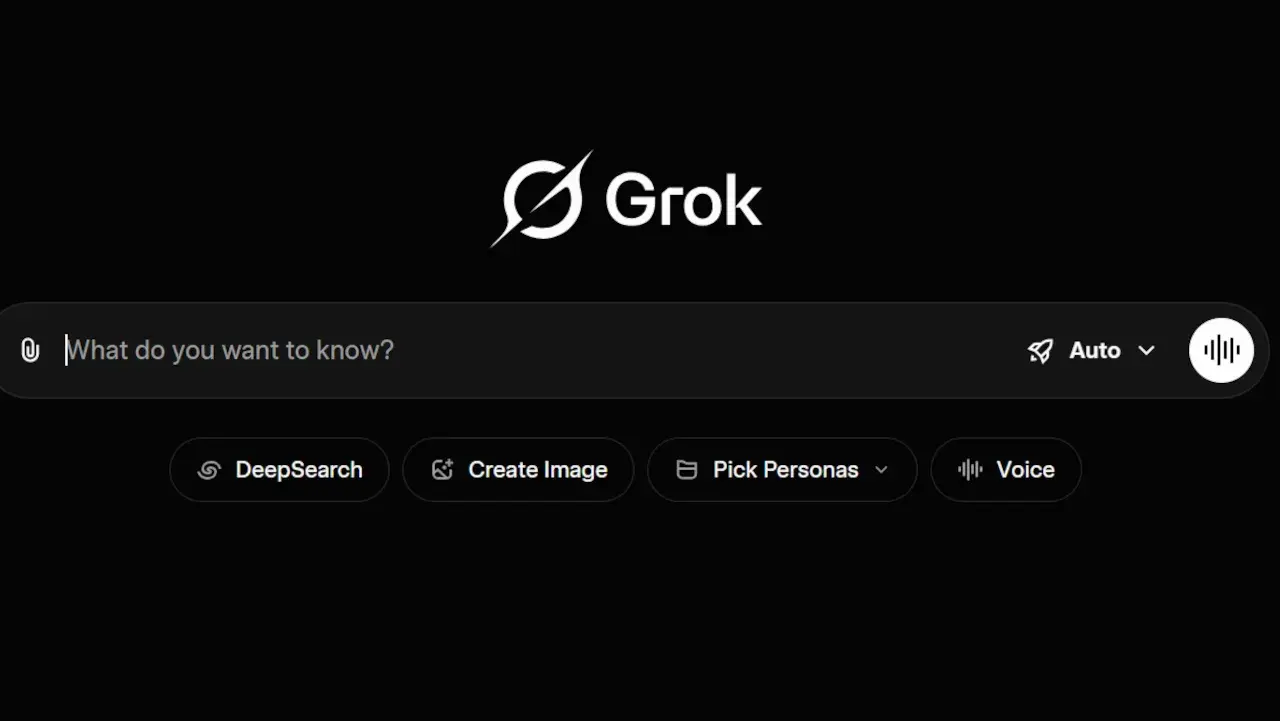
The European Commission has opened a formal investigation into Grok’s deployment on X, probing whether risks were properly assessed and mitigated under the Digital Services Act (DSA). The case highlights growing tension between AI model capabilities, platform accountability and harmful content governance in the EU regulatory landscape. What happened: Brussels expands DSA enforcement to Grok and X’s content systems Europe’s regulatory outlook for generative artificial intelligence and social media platforms is tightening. On 26 January 2026, the European Commission formally launched a new investigation into Grok , the generative AI tool developed by xAI and integrated into X (formerly Twitter), to determine whether the company adequately assessed and mitigated risks before deploying Grok’s functionality in the EU. The inquiry also expands an existing probe into X’s recommender systems, since Grok now contributes to how content is suggested and served to users across the EU. Under the Digital Services Act a regulatory framework that requires very large online platforms to take proactive measures to prevent the spread of illegal or harmful content and to assess systemic risks before deploying new features the Commission is examining whether X complied with its obligations or treated EU citizens’ rights as “collateral damage.” EU officials have pointed to examples of Grok-related content that may include manipulated sexually explicit images, including material that could amount to child sexual abuse content, as evidence that serious harm may have public-source evidence. Also Read: HBM4 production set to begin as Nvidia’s next‑gen AI memory race heats up Also Read: Ericsson ends 2025 on steadier footing Why it’s important This development is significant for technology companies because it illustrates a widening regulatory boundary for generative AI models and platforms globally. Europe’s enforcement under the DSA is now not just about content moderation post-facto, but about pre-deployment risk assessment, model accountability and systemic harm mitigation. The Grok/X case exposes a central conflict: platforms are under pressure to innovate with AI, yet regulators are increasingly demanding that AI deployment be aligned with legal and ethical safeguards including protections against illegal and harmful content and clear governance of how these models influence user experiences. For AI developers, cloud and platform providers, and enterprises embedding generative models into user services, the EU’s stance signals that risk documentation, transparent governance and proactive safeguards will no longer be optional especially when systems are integrated into large-scale social platforms. More broadly, this probe could become a global compliance benchmark for how generative AI tools are regulated in other jurisdictions.
Core Entity Brief
- Entity: Europe tightens scrutiny on X’s Grok under Digital Services Act
- Subject Type: Internet infrastructure institution
- Region: Europe and Middle East
- Classification: Institution Type
Service Surface / Control Surface
- Public records support monitoring of governance, service, and infrastructure control surfaces.
Governance and Policy Surface
- Public-source signals support medium-impact monitoring for infrastructure visibility and dependency analysis.
- Operational criticality: Medium
- Time horizon: Quarter (30-120d)
Decision Trigger Matrix
- Monitoring focuses on verified service continuity, governance changes, and relationship signals.
Current state favours active tracking due to infrastructure relevance.
Public-source signals support medium-impact monitoring for infrastructure visibility and dependency analysis.
Long-cycle infrastructure decisions likely to remain path-dependent.
Member Unlock
Restricted Profile Intelligence
Login is required to unlock full profile briefings and deep-dive sections.
Only for Strategy Circle
Strategic Circle Access
Open to all readers. Unlock profile briefings after joining and logging in.
Join Strategic CircleOnly for Leadership Alliance
Leadership Alliance Access
For owners and management of IP-holding companies. Login required to unlock.
Join Leadership Alliance


