Summary
- EThOS replaced a microfilm thesis service with digital access, including scans made at British Library’s Boston Spa facility.
- The service had to finance paper conversion while building a route to theses already held in university repositories.
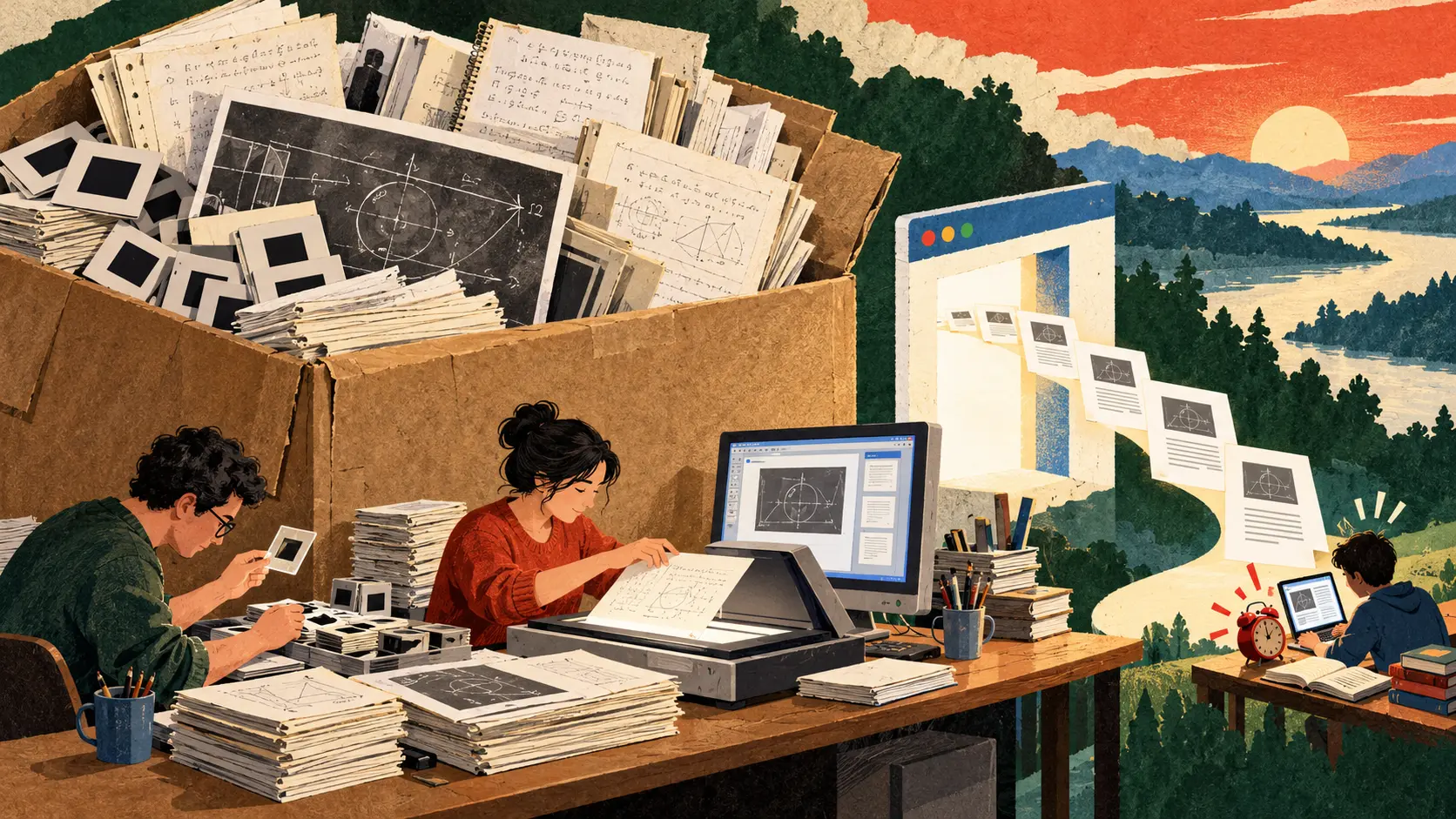
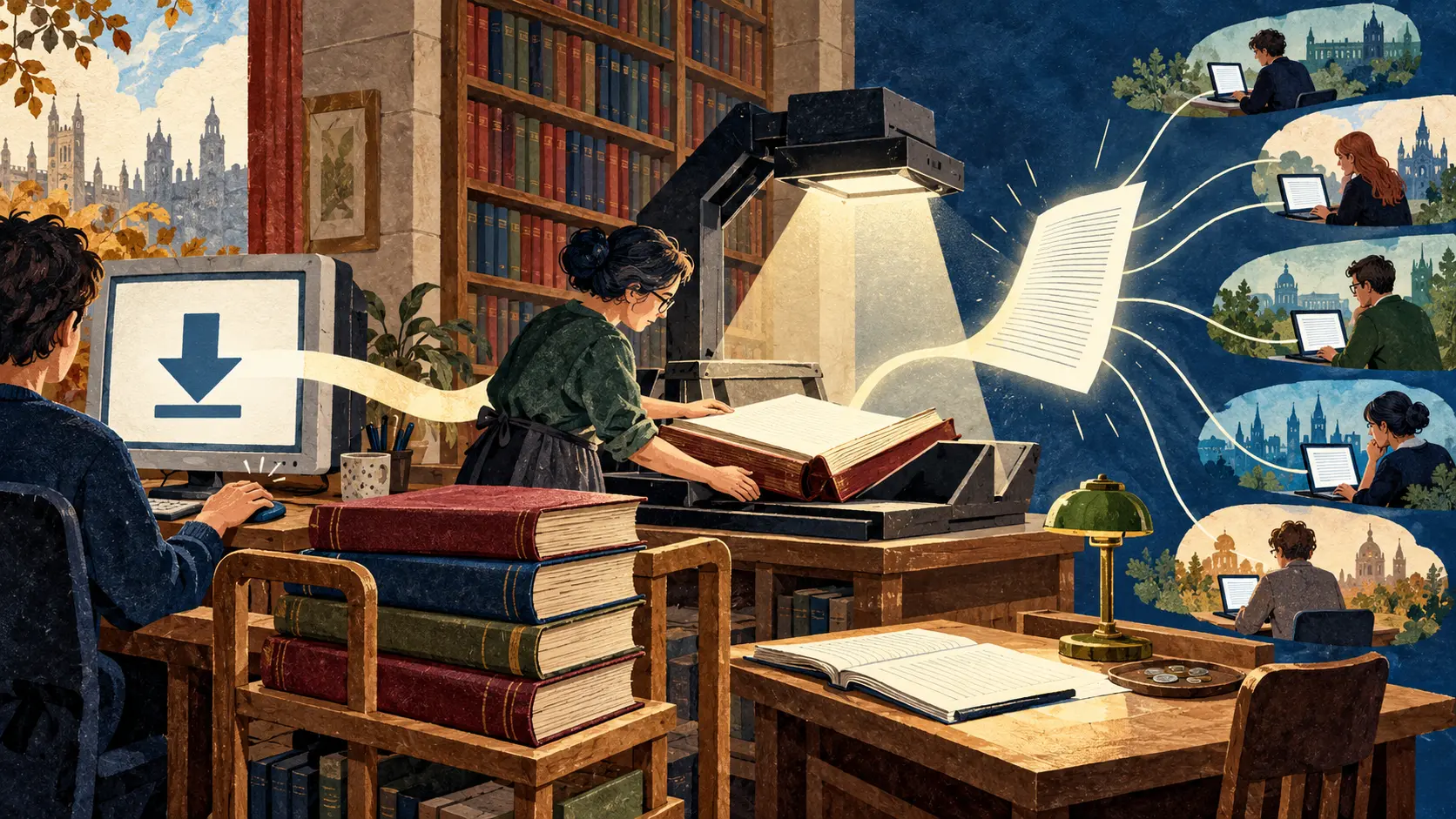
A thesis on the web could begin as a book somebody had to put under a scanner. British Library’s 2009/10 annual report tucked this mundane fact into a collection-statistics footnote: EThOS had replaced the UK-thesis microfilm service, storing and supplying digital copies scanned at Boston Spa. The download had a workplace.
EThOS launched in January 2009, bringing British Library and universities together around a national route to doctoral research. For a reader, the attraction was obvious. A thesis might contain years of specialised work, yet reaching it could require arrangements for a physical or microfilm copy. Once a digital file existed, another reader could receive it without commissioning another scan. A request could improve the collection for people who had not yet thought to ask.
That useful trick had an awkward first step. Someone had to finance the conversion. A British Library presentation in March 2010 recorded both university-funded and reader-funded scanning, and the pressure of paying for people outside a university’s own audience. Generosity had acquired an invoice address.
The distinction mattered particularly for old paper theses. Paying for access to an existing file and paying to create that file are different purchases. The first reader could set work in motion whose benefit outlasted the request. A university could acquire a more usable record of its own research while serving a researcher elsewhere. Each side had a good reason to want the scan; a good reason is only occasionally accepted by the accounts department.
British Library’s 2010/11 report put a new EThOS membership funding model into the following year’s action plan, with the aim of making the service self-sustaining. The institution was now designing the financial routine behind its public invitation.
The 2011/12 report described the resulting emphasis: electronic theses, gathering records and linking to universities’ own repositories. Work that arrived as a usable digital thesis could take a different route from a bound volume awaiting conversion. The same report said the Library still digitised 8,000 paper theses in response to readers’ requests that year. The new route had plenty of old paper travelling beside it.
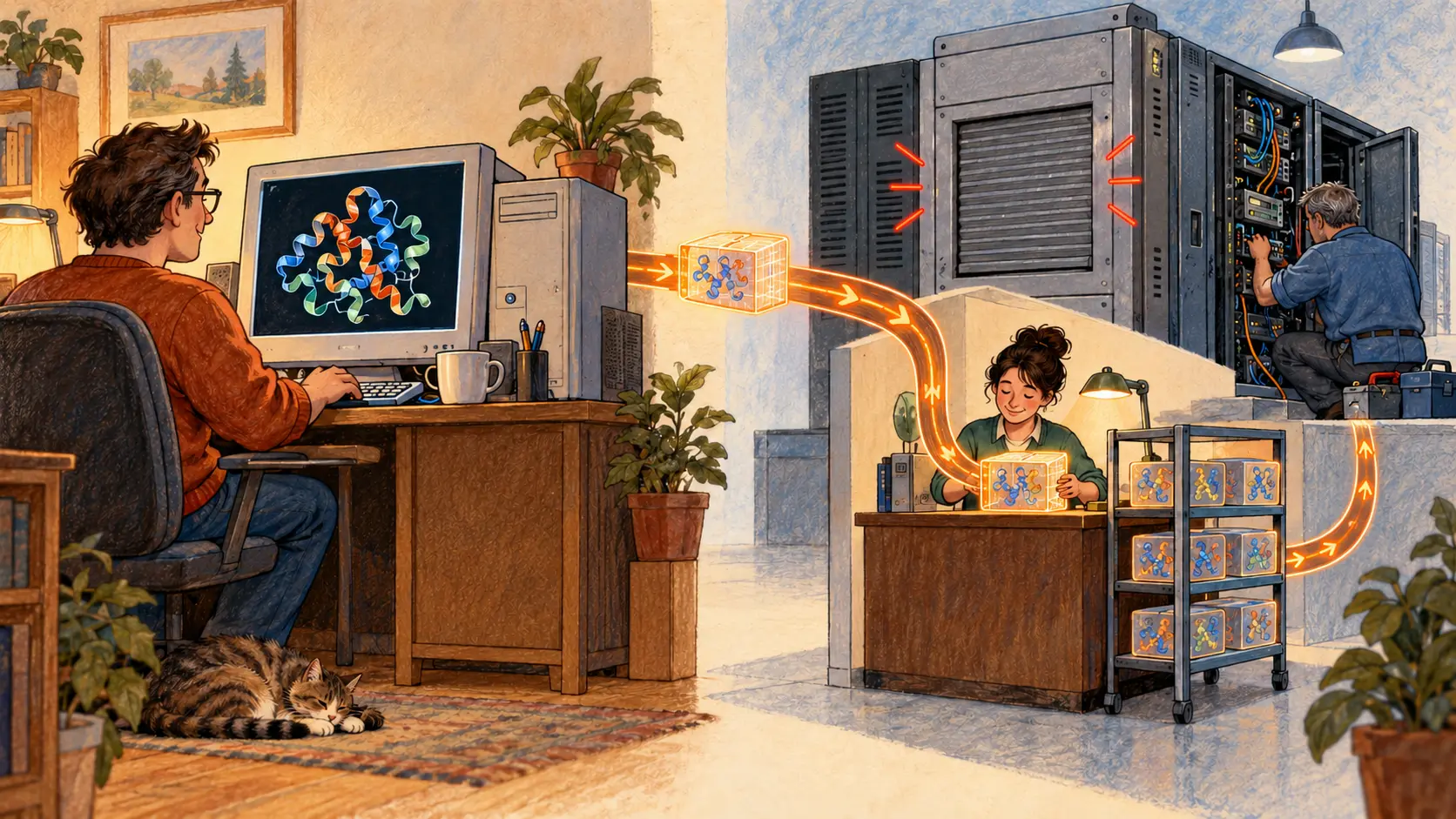
This is the interesting part of EThOS’s early internet history. The website made research easier to request, while the organisation learned to distinguish three jobs: finding it, converting it and paying to keep it available. Linking existing electronic collections reduced the need to start every journey at a scanner. Requested paper scans continued to enlarge what later readers could retrieve.
The button looked small. Its institutional footprint included a university collection, a scanning operation and a funding arrangement. Online access became practical when those pieces could keep answering the next request.
Member Briefing
Deeper Profile Context
Sign in with the right membership level to unlock the full briefing and source notes.
Only for Strategic Circle
Strategic Circle
Open to all readers. Unlock profile briefings after joining and signing in.
Join Strategic CircleOnly for Leadership Alliance
Leadership Alliance
For qualified IP-asset owners and management; sign in to unlock alliance briefings.
Join Leadership Alliance