Summary
- Erik Kline published revision 03 of draft-ek-dtn-ipn-arpa on 20 November 2026. It proposes ipn.arpa as an infrastructure DNS namespace for Bundle Protocol node discovery and is not yet an RFC or adopted IETF policy.
- FQNN (A,N) becomes N.A.ipn.arpa, and TCPCLv4 discovery queries _dtn-bundle._tcp.N.A.ipn.arpa for SRV records. Service Number is excluded from the name.
- DNS can return a relay candidate. It does not prove that the destination is reachable, the relay is the destination, its Node ID matches the DNS hostname, a session will be accepted or a bundle will arrive.
A name that travels without the allocator’s domain
An ipn EID already contains two integers: the Allocator Identifier and the Node Number. RFC 9758 makes their pair the Fully Qualified Node Number. The endpoint can identify its allocator without exposing a domain name. That is useful; it also means the domain name has to be derived from the number if public discovery is going to work.
Kline’s draft makes the derivation exact. For allocator A and node N, the base name is N.A.ipn.arpa. Each integer occupies one label, written in decimal with no leading zeroes. Service Number does not enter the name, so two ipn EIDs for the same node but different services produce the same FQNN name.
The TCPCLv4 binding queries _dtn-bundle._tcp.N.A.ipn.arpa. No reverse pointer lookup is needed. SRV supplies priority, weight, target and port. The target can be a relay, and the port need not be 4556. The query begins with the node number and ends at an operator’s chosen endpoint.
The draft requests IAB approval under RFC 3172 and IANA addition of ipn.arpa under .arpa. The selected zone operator would run the authoritative service and sign public data with DNSSEC. That is an institutional request, not a claim that the zone already exists.
DNS selects a candidate, not a route
A successful SRV response is useful because it names a possible next hop. It does not hand the Bundle Protocol Agent a route, a contact plan or a promise about the spacecraft. The BPA still applies configured forwarding policy. The relay still has its own onward routes and contact windows.
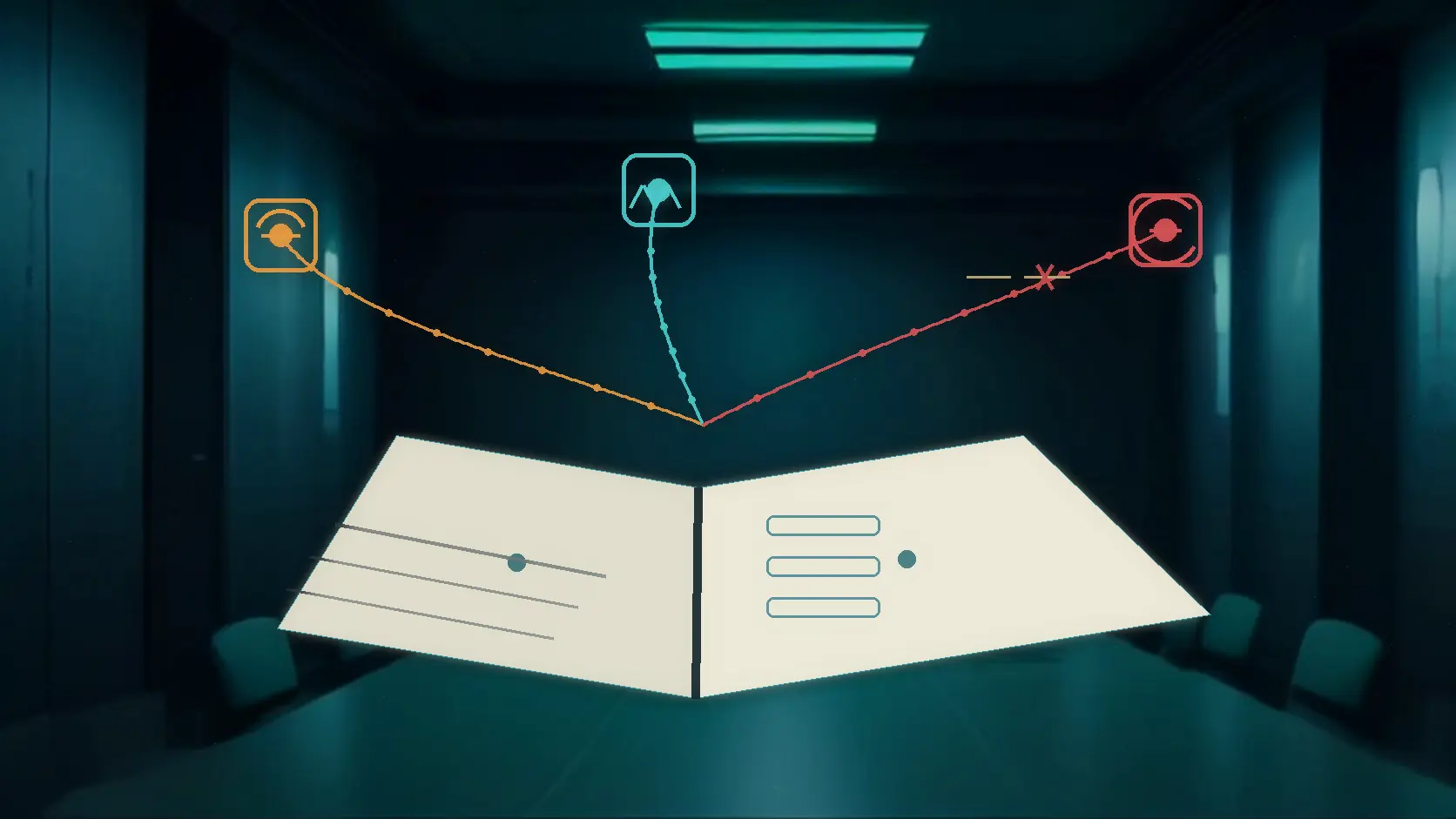
This distinction matters in the example used by the draft. Three destinations, a mission operations center, a Mars orbiter and a lunar lander, share two relay records. Equal SRV priority and weight roughly balance selection across connection attempts. They do not measure current relay load or guarantee equal traffic. More importantly, all three bundles can enter the same relay without the relay becoming the destination. Each bundle retains its original destination EID.
The binding blocks one tempting shortcut. If no usable SRV record exists, the agent must not resolve the base name for addresses and connect to TCP port 4556 anyway as part of this discovery binding. A Target of a single dot means the service is unavailable at that owner. A DNS query may produce an address; the binding still decides whether that address is a valid result.
Absence has more than one meaning
DNS failure messages often look alike in a control panel. NXDOMAIN means the terminal name does not exist. NODATA means the terminal name exists without the requested record type. SERVFAIL and timeout say even less: the resolver did not obtain a usable answer. None of those outcomes invalidates the FQNN or proves the destination unreachable.
The draft also prevents a missing one-protocol record from condemning the node. Another convergence layer can define its own binding over the same base name. A local route learned through configuration remains independent of public DNS. An unavailable lookup should not delete an already queued bundle or erase forwarding information obtained elsewhere.
This is where discovery becomes an evidence system. “DNS succeeded” should expand to the exact query type, alias chain, RRset, terminal name, response code and selected candidate. “No service” should distinguish signed absence, an existing name without the RRset and an unresolved network failure.
TTL, DNSSEC and the bundle all have clocks
A candidate gets stale when any record used to build it expires. The relevant TTL may belong to a CNAME, DNAME, SRV record or address RRset. The first expiration limits freshness. Copying the candidate into a forwarding table does not reset that clock or refresh the data.
DNSSEC adds a second clock. Signature validity limits authenticated DNS data. A session can outlive the DNS answer that led to it, but retaining the endpoint after signature expiry does not extend authentication. The BP Agent’s policy must say what it will do when the cache, signature and established connection disagree.
The bundle has a third clock. TTL expiry need not close an established CL session or delete data that is already queued. Kline keeps those operational choices separate. A valid DNS cache entry, a live transport session, a route that still works and a bundle still allowed to wait are four different states.
The name is not the peer
DNSSEC authenticates the DNS RRset. It does not authenticate the machine that answers a TCPCLv4 session. The query name comes from the destination FQNN, but the TLS DOI reference and server_name belong to the SRV target. The relay can then present its own Node ID in SESSION_INIT. The draft explicitly says the DNS-ID check does not authenticate that Node ID.
The destination stays where it started: the original ipn EID on the bundle. The relay is an ingress point. A client can authenticate the relay hostname while still not knowing the final node’s identity, route or current availability. A public name therefore cannot replace peer authentication, BPSec, Bundle status reporting or an application receipt.
A public directory creates a public question
ipn.arpa would also reveal associations. Public records can connect an FQNN to an ingress service, relay hostname and address. DNS queries can reveal which destinations an agent seeks and when. DNSSEC provides integrity, not confidentiality. Resolver selection, encrypted DNS and local query containment become part of the operational design.
The draft therefore excludes public discovery for Allocator Identifier zero and Experimental Use allocators requiring names that may be reused or private. Local zones can exist, but public DNS cannot authenticate a conflicting local answer. Administrators need a scoped local trust anchor and must avoid falling back to a public query that discloses the identifier.
Erik Kline gives the IPN namespace a deterministic front door. The design is strongest when that door is labelled honestly: directory name, candidate relay, authenticated peer, selected route, accepted Bundle and delivered payload are different records. One DNS answer can point toward the network. It cannot become the network’s receipt.
Sources: Datatracker record; revision 03; RFC 9758; RFC 9171; RFC 9174; RFC 1034; RFC 2782; RFC 3172; RFC 8126; RFC 9364.
Member Briefing
Read the full trend briefing
Members read the full briefing with the source notes behind every finding.
Strategic Circle
A daily briefing in your language, built from changes we have verified.
Join for USD 20/monthCancel anytime.
Members also get the full research library, a daily briefing on the networks they follow and the private forum.