Summary
- DoorDash’s September 2019 disclosure described unauthorized access to data held at one of its third-party service providers and affected roughly 4.9 million customers, Dashers and merchants; the company said it secured its systems, strengthened protocols and notified people.
- The February 2024 California settlement resolved allegations about DoorDash’s own sale and notice practices under the California Consumer Privacy Act and the California Online Privacy Protection Act — not the 2019 incident.
- The gap worth examining is not that a supplier was involved. It is that the public record never says who owned the failed control, and never produces evidence that the boundary was fixed and stayed fixed.
One sentence doing two jobs
The notice that went out in September 2019 was unusually concrete about categories. Names. Email addresses. Delivery addresses. Order history. Hashed passwords. Some instances of the last four digits of consumer payment cards. It was concrete about scale, too: roughly 4.9 million people across customers, Dashers and merchants (the incident record compiled from the disclosure).
And then the sentence that has carried the entire accountability story ever since: the access happened at one of DoorDash’s third-party service providers.
That sentence is honest about where the data sat. It is not a statement about where control failed. Those are different facts, held by different companies, provable from different logs. A decade of supplier-mediated breaches has taught communications teams to collapse the two, because the collapse is defensible in a way that naming a control owner is not.
Read the notice as a claim rather than a finding, and the shape of the problem appears.
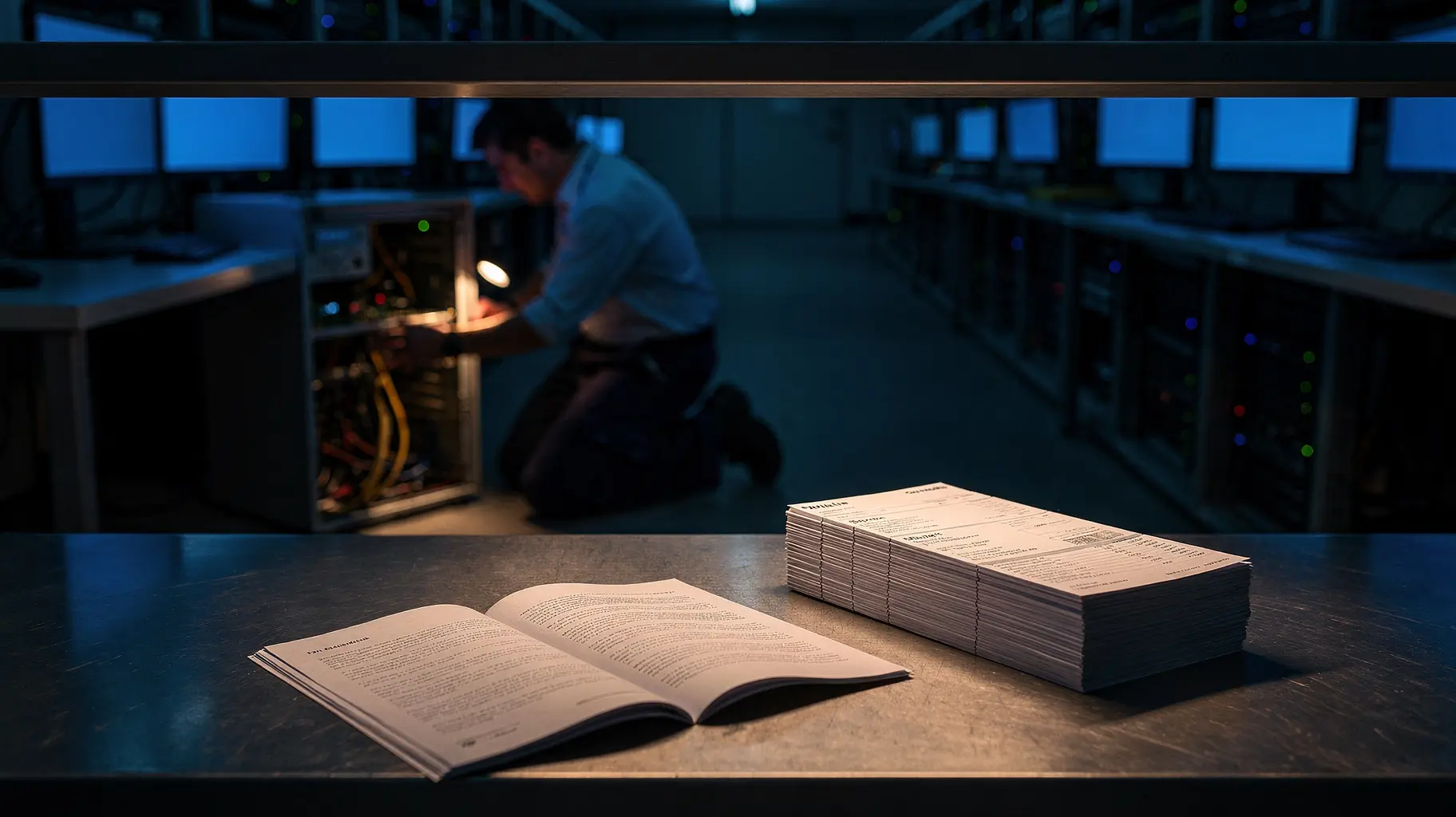
A delivery platform is a procurement organization wearing an app
DoorDash chose that provider, negotiated the terms, granted the access, paid the invoice and kept the customer relationship. The person whose delivery address sat in the provider’s tables had no relationship with the provider at all. They had a relationship with an app, and the app had a supplier.
The operator therefore keeps what the supplier does not: the public obligation. When the loss became public, it was DoorDash that owed 4.9 million people an explanation, and DoorDash that owed them a next step. In its own account of the response, the company said it took steps to secure its systems, enhanced its security protocols and notified affected individuals (the same incident record).
That is a statement of activity. It is not a control matrix, a root-cause finding or an independent test result. The distinction matters because a breach inside a supplier’s environment is exactly the case where an operator’s assurance work — not its hardening work — determines whether the repair is real. Hardening your own perimeter does nothing for a weakness that lives in someone else’s tenancy. Checking someone else’s tenancy is a different discipline, with different costs, and it leaves a different kind of paper.
What California actually pursued
In February 2024, California’s Attorney General announced a settlement with DoorDash. The allegations sat under the California Consumer Privacy Act and the California Online Privacy Protection Act and concerned the sale of consumer personal information without notice or an opportunity to opt out, together with injunctive terms bearing on the company’s data practices (the Attorney General’s announcement; contemporaneous litigation reporting).
The announced sum is not repeated here. The office’s announcement and the reporting on it describe the same document in mutually incompatible terms, and neither text retained for this article carries the publisher’s own wording of the figure. A number that three readings of one announcement cannot agree on is not evidence; it is a rounding error with a press release attached.
The subject of the action is the more interesting fact. California went after what DoorDash said about its own selling. It did not go after what a supplier did to DoorDash’s data in 2019. In the disclosure record and the two California announcement documents reviewed for this article, no penalty, order, obligation or contractual recovery tied to the 2019 incident appears.
That is a bounded observation about a small set of documents, not a claim that nothing happened anywhere. Confidential settlements exist. Insurance recoveries exist. Private demands exist. None of them is in the file, and a file with a missing drawer is not the same object as a file with an empty one.
Why the separation is the story
Regulators with finite dockets pursue the violation they can prove from documents the company published itself. “You sold my data and never told me” is a sentence a privacy policy can be read against. “Your vendor’s environment had a control gap in the summer of 2019” is a sentence that requires someone else’s logs, someone else’s cooperation and a theory of imputed control that few agencies want to litigate against a company that has already mailed the letters.
So the incentive runs the wrong way. Notification is cheap, fast, legally required and narratively controllable: one letter, one apology, one pledge. Assurance is expensive, slow, legally optional in most places and narratively dangerous, because it produces documents that can be wrong on the record.
This desk already examined what leaked when the incident was fresh, and again in July 2026. The question that remains is not what was in the file about 4.9 million people. It is what should be in the company’s own file about the boundary — and whether anyone outside the company can tell the difference between a repair and a press line.
Six artifacts that would settle it
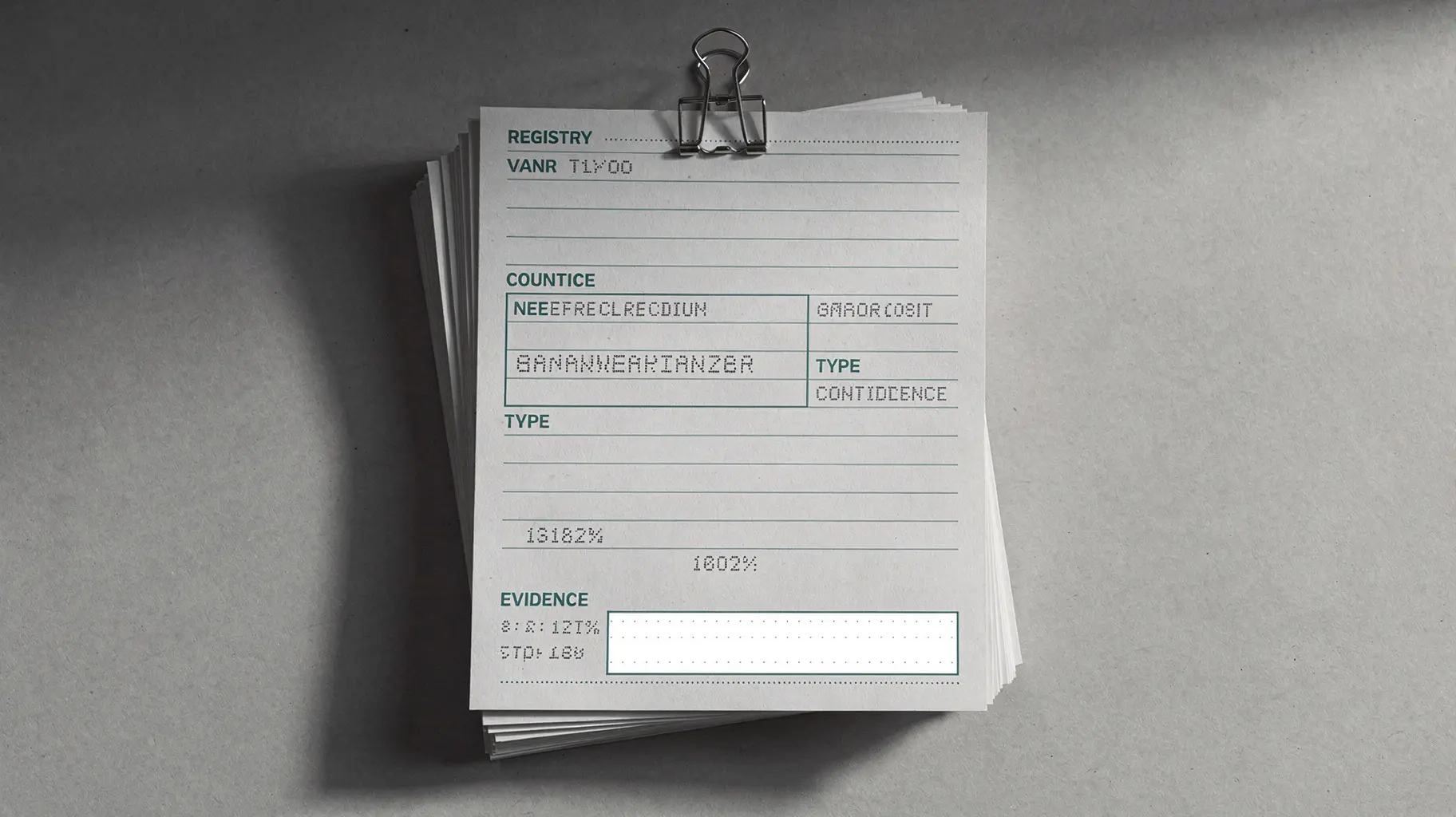
If the supplier boundary had genuinely been repaired, six things would exist. Each is a document. Each has an author, a date and a reader.
A scope record. The provider, the service, the systems touched, the data classes involved and any subprocessors beneath them. Not for publication in full, but for a regulator, an auditor or an insurer to read.
A control-owner matrix. For every control on the boundary — access review, encryption, logging, alerting, credential management — the company that owns it and the person inside that company accountable for it. “The vendor was responsible for security” is not a matrix. It is an excuse with a subject.
A root-cause finding tied to the incident. The access path, the control that should have stopped it, the reason it did not. A finding that names a mechanism rather than a category.
A corrective-action register. Each action, its owner, its implementation date and whether independent testing confirmed it. Dates are what separate a register from a wish list.
Contract terms with teeth. Measurable incident-notice windows, audit rights that survive a refusal, remediation deadlines with financial consequences, and a termination or replacement path that has actually been exercised or credibly threatened.
A re-test. The same control, tested again later, by someone who does not report to the people who wrote the first report. One clean test after a breach is a data point. A clean test a year later is a control.
None of that was published for the 2019 loss. Some of it may exist privately. The absence of publication is the finding, and it is narrower and more useful than the popular version, which is that a vendor was to blame. The vendor may well have been. Nobody outside the company can say, and that is precisely the problem: a public that cannot distinguish a supplier failure from an operator governance failure has no way to price either one.
What the next notice should answer
Notifications are messages. Controls are artifacts. The 2019 notice told 4.9 million people what had been in the file about them. It did not tell them whether the organization that lost it could describe its own boundary, let alone fix it, and the record has not been enlarged since in any way a reader can check.
The standard for the next disclosure should not be whether the supplier gets named. Naming is a courtesy that sometimes conflicts with an active investigation. The standard should be whether the operator can prove it went back and looked: who owned the control, what changed, when it was tested and what the test found. Any company can promise that. Only a company with the paperwork can show it.
Member Briefing
Deeper Trend Context
Sign in with the right membership level to unlock the full briefing and source notes.
Strategic Circle
A daily briefing in your language, built from changes we have verified.
Join for USD 20/monthCancel anytime.
Public reporting stays free. Member research, the daily briefing and the forum need a membership.