Summary
- Digital Realty and Rönesans Infrastructure announced a Türkiye development joint venture on 14 September, with the first Ankara facility targeted for completion in 2028.
- The campus is designed for more than 22 MW of carrier-neutral IT capacity. That is a development plan, not evidence of operating capacity or a populated network ecosystem.
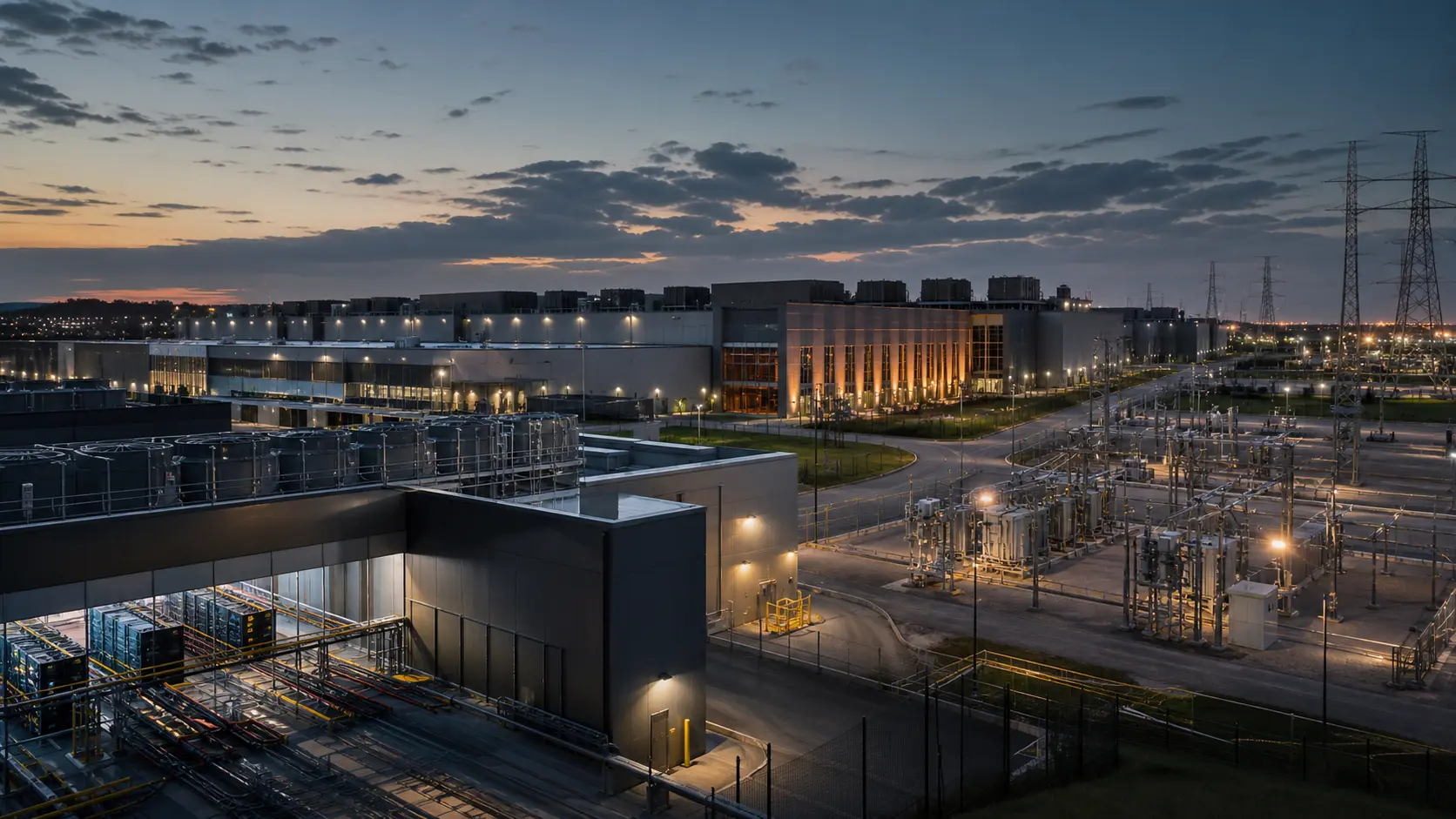
A data-centre platform can enter a country before customers can move into its first building. Digital Realty's Türkiye announcement is that kind of entry. Its joint venture with Rönesans Infrastructure starts with an Ankara campus; the companies say land, power and permitting are secured and early construction has begun. The first facility is scheduled for completion in 2028. A further Istanbul development remains an intention.
Those are material development milestones. They do not make the planned capacity available today. Nor does a carrier-neutral design establish which carriers or cloud connections a customer will be able to buy at opening.
Buying a community versus building one
The distinction becomes clearer alongside Digital Realty's March entry into Bulgaria. That transaction acquired two Sofia facilities and, according to the company, a concentration of more than 110 network service providers plus multiple cloud on-ramps. Türkiye's new venture cannot inherit that installed community merely by joining the same global platform.
The partnership has an intelligible division of strengths: local development capabilities alongside global operating experience and customer relationships. Turning those strengths into an interconnection market requires a further coordination exercise. Providers need a reason to establish endpoints; customers need confidence that the providers they require will be ready. Each side's commitment can help attract the other, but a campus specification alone does not finish that loop.
Digital Realty's existing Cross Connect description defines a physical connection between customer-specified endpoints inside a facility. The useful word is “endpoints”. Space and power make a location possible; installed counterparties make a connection useful.
A platform name is not a service order
The existing ServiceFabric provider guide likewise describes established physical points of presence and requests that can await third-party approval. This is an illustration of the operating boundary, not confirmation that any particular ServiceFabric service is available in Ankara. A global catalogue cannot remove the need for a reachable, willing counterparty.
There is also local history to handle carefully. Rönesans Holding and Türk Telekom announced a goodwill agreement in June 2024 that included a planned Ankara data centre. That does not establish that the new venture uses the same project, or that Türk Telekom has become its partner, tenant or committed network provider. Such links require their own evidence.
For buyers, the useful distinction is between reserving future accommodation and accepting a working service. A campus may pass a construction milestone before every desired connection is orderable. Equally, a provider's market presence does not prove diverse physical routes. Neither gap is an alleged defect in this venture; both are questions a customer should resolve before making its own migration timetable irreversible.
Member Briefing
Deeper Profile Context
Sign in with the right membership level to unlock the full briefing and source notes.
Only for Strategic Circle
Strategic Circle
Open to all readers. Unlock profile briefings after joining and signing in.
Join Strategic CircleOnly for Leadership Alliance
Leadership Alliance
For qualified IP-asset owners and management; sign in to unlock alliance briefings.
Join Leadership Alliance