- Generac plans about US$250m of factory investment through 2027 as its data-centre backlog reaches US$1.6bn and it prepares to add about 1,000 workers
- Siemens is investing more than US$200m in two US facilities while using multi-year customer agreements to share the risk of adding manufacturing capacity
The fact
US manufacturers are expanding production of generators, electrical equipment and other industrial products as AI data-centre construction drives more demand through factory supply chains.
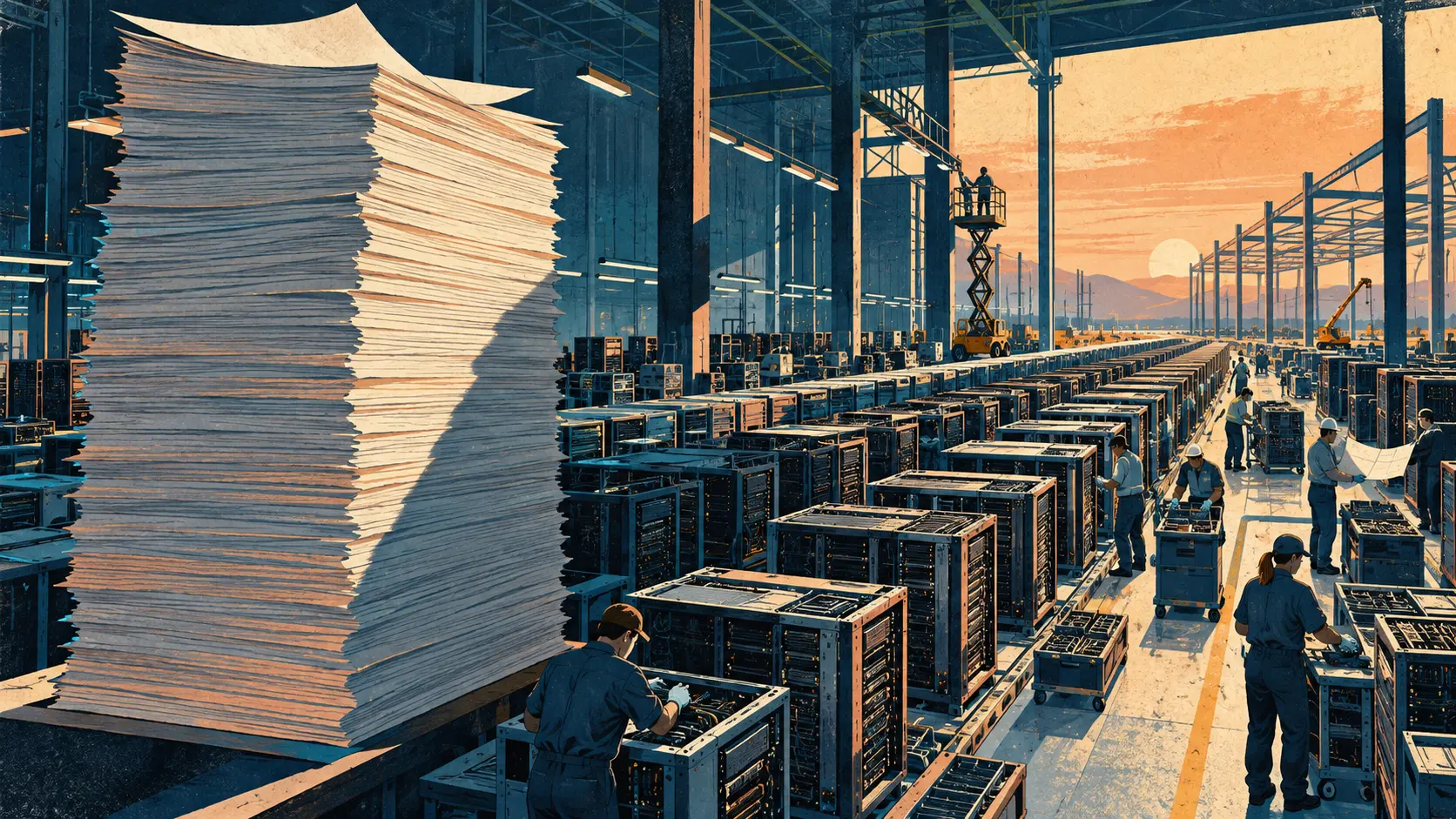
Generac plans to invest about US$250m by the end of 2027 to expand production of large data-centre generators. Its data-centre backlog has reached about US$1.6bn, including nearly US$700m of committed 2027 volume from one hyperscale customer. The company has also signed a second hyperscale supply agreement and is negotiating product-specific terms for 2027 and 2028, while preparing to add about 1,000 workers.
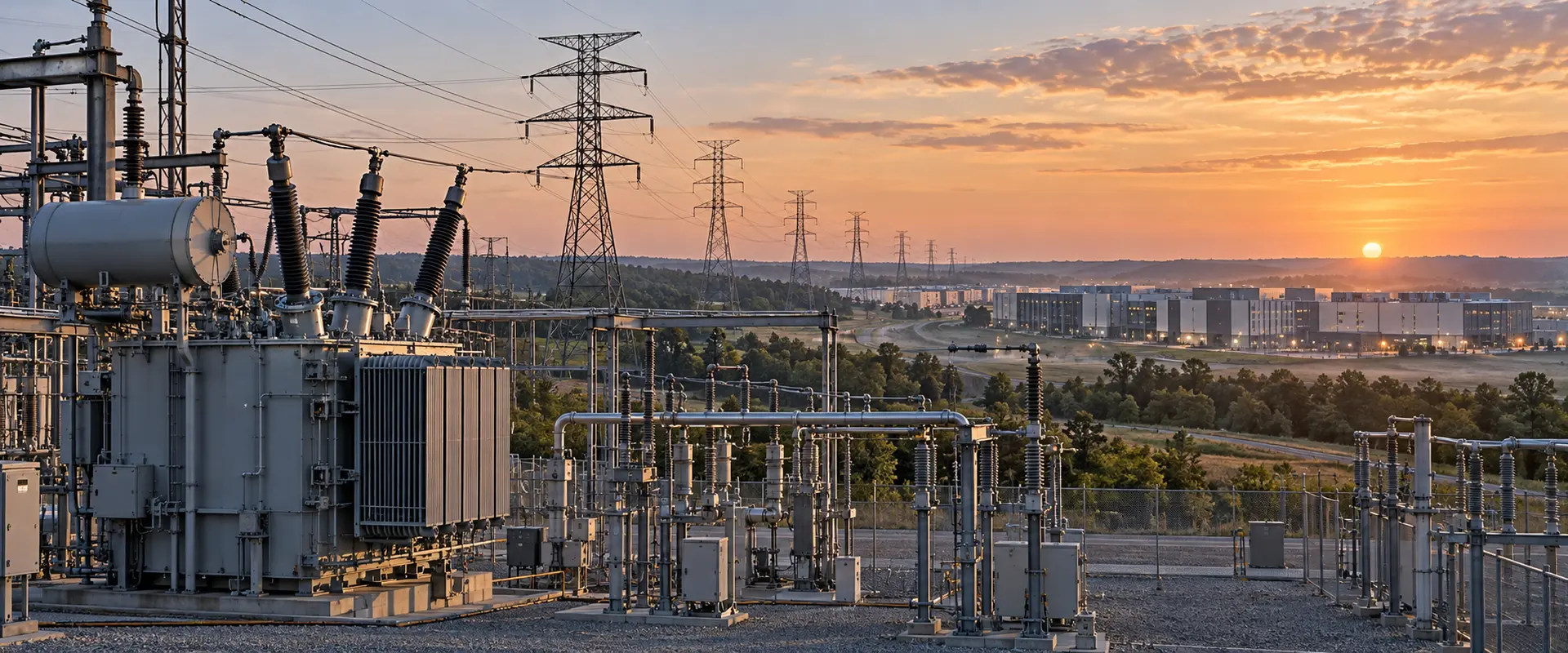
Siemens is investing more than US$200m in new facilities in Pendergrass, Georgia, and Grand Prairie, Texas, adding more than 1,500 jobs and expanding capacity for electrical equipment, testing and warehousing. Wood Mackenzie expects the US data-centre electrical-equipment market to double from US$33bn in 2025 to US$66bn by 2030.
The assessment
Generac is expanding because it already has a large amount of data-centre business lined up. Nearly US$700m of hyperscale orders are committed for 2027, giving the company more confidence to spend on factories and hire more workers. Siemens is making a similar bet with its new US plants, although some of its long-term customer agreements include financial penalties if agreed orders do not materialise.
The risk is that building more factory capacity does not automatically mean equipment will arrive faster. New machinery has to be installed, workers trained and production increased before generators and electrical systems can be shipped. Data-centre projects can also be delayed, leaving suppliers with factories built around demand that arrives later than expected. Tariffs could add further costs where manufacturers rely on imported machinery.
For BTW readers, this means a data-centre project can be ready on paper and still be held up by equipment. Land, power and financing are only part of the schedule; generators, switchgear and other electrical systems also have to arrive on time. The clearest sign that these factory investments are helping will be shorter lead times and more equipment reaching projects when it is needed.
What to watch
Watch Generac's 2027 hyperscale deliveries and the ramp-up of its expanded generator capacity, alongside hiring and production at Siemens' Georgia and Texas facilities. Changes in equipment lead times, order prices and customer commitments will show whether factory expansion is keeping pace with demand. Tariff changes affecting imported manufacturing machinery could also alter expansion plans.
Member Briefing
Deeper Profile Context
Sign in with the right membership level to unlock the full briefing and source notes.
Only for Strategic Circle
Strategic Circle
Open to all readers. Unlock profile briefings after joining and signing in.
Join Strategic CircleOnly for Leadership Alliance
Leadership Alliance
For qualified IP-asset owners and management; sign in to unlock alliance briefings.
Join Leadership Alliance