Summary
- DESNZ proposes consumer-authorized sharing across meter, tariff and behind-the-meter asset data, using existing programs rather than one new national data machine.
- Its central illustrative estimate is £500,000 to set up each data holder and £90,000 a year to run it; rules for common costs and access charges remain open for consultation.
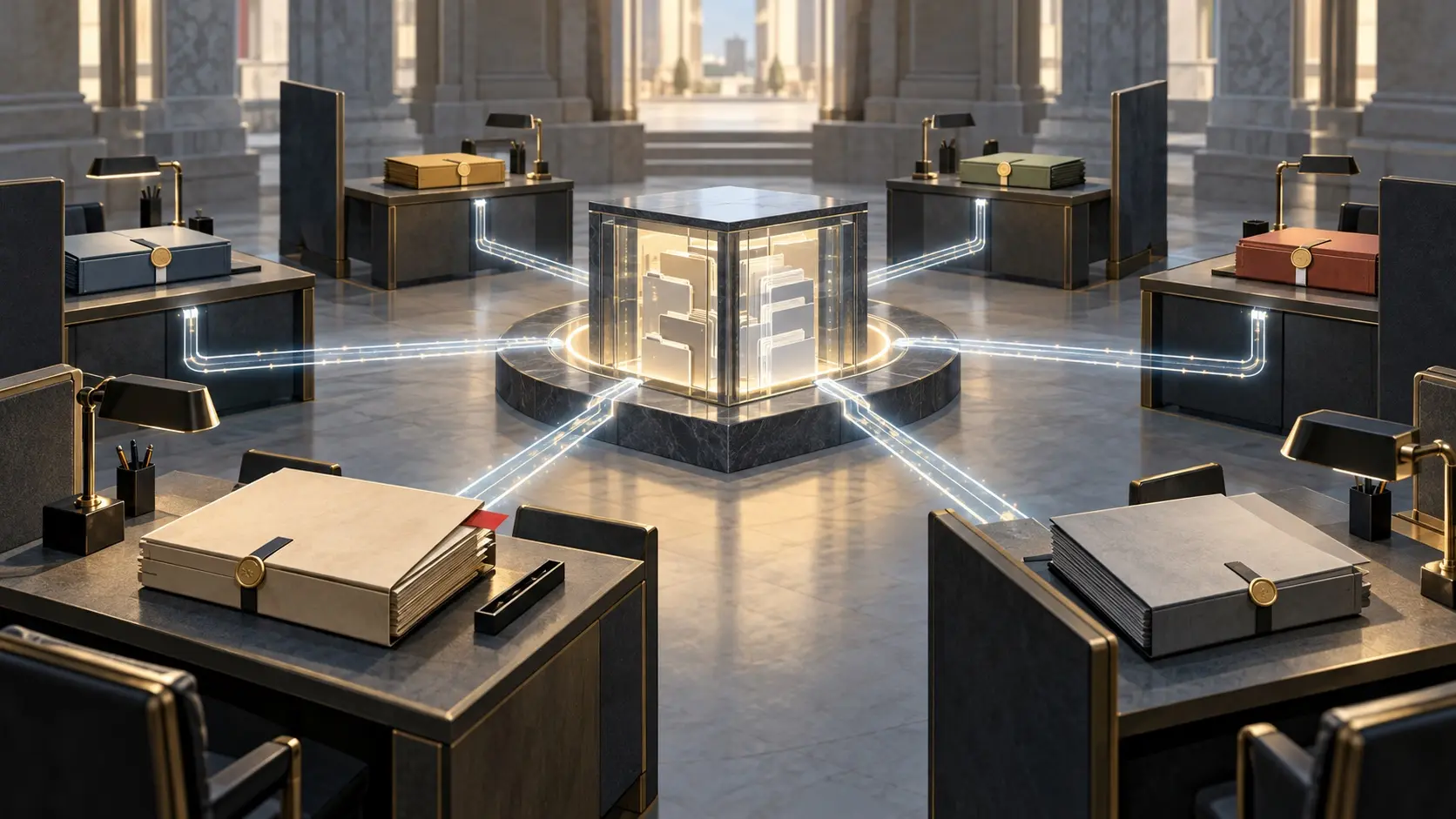
The government has found a way to make energy data sound both personal and industrial. A household gives permission; suppliers, repositories, tariff systems and authorized apps do the plumbing. Now the Department for Energy Security and Net Zero (DESNZ) wants rules for the plumbing—and has put a £500,000 central setup estimate beside each data holder.
DESNZ labels the number a preliminary assumption in 2026 prices and asks respondents whether it is reasonable in its 78-page consultation, issued on 14 October. Responses are due by 8 January 2027.
A free permission button, several paid pipes
The proposed starting set has three kinds of information: consumption and meter readings, tariffs, and assets behind the meter such as batteries or solar equipment. The framework would use capabilities already under way: the Consumer Consent Service for permissions and trust, the Smart Data Repository for consumption data, FMAR for asset registration, and SSES tariff work. DESNZ wants a common legal frame around those moving parts, not another box with a national logo on it.
The proposed boundary is deliberate. A data holder should not charge a person directly to see their own data or authorize a share with an authorized third party (ATP). The holder may, under rules still being designed, recover costs from an ATP for access. The ATP may charge for its service, use a commission or another business model. The household’s permission and the price of the service are separate transactions.
That distinction is where a free button can lead to an expensive hallway. A price at the interface can decide which apps can afford to enter; a service charge can decide which customers use them. DESNZ asks how access charges should work, how they should avoid blocking competition, and how small and microbusinesses would fare.
The other side of the ledger
For each data holder, the central estimate is £500,000 to set up and £90,000 a year to operate. The illustrative range runs from £60,000 setup and £10,000 annually to £1 million and £160,000; a “very high” case also puts setup at £1 million and annual costs at £300,000. The estimates draw on earlier standardized-interface work, apply a setup-cost adjustment, and ask respondents to check the result.
For each ATP, the central estimate is £160,000 to join and £102,000 a year. That combines interface work, accreditation and compliance assumptions. Common services—governance, assurance, monitoring, interoperability and redress—form a third cost pool. DESNZ prefers existing energy-sector funding routes when they fit; the Data (Use and Access) Act 2025 supplies another route where they do not. The consultation asks whether costs should be shared across participants or recovered from those who benefit, use the system or drive the expense.
The schedule matters. Its indicative profile places mandatory smart-data sharing in the third quarter of 2028, while legislative work, accreditation and onboarding run in parallel. DESNZ labels the timings illustrative and dependent on consultation, policy decisions and parliamentary time.
A market cannot price its way into existence until someone writes the price rules. The next draft needs to show who pays for shared functions, what an ATP can be charged for, how the charge is calculated, and how a small entrant can challenge it. Otherwise, the household may get a permission button while the market behind it gets a velvet rope.
Official documents
Member Briefing
Deeper Profile Context
Sign in with the right membership level to unlock the full briefing and source notes.
Only for Strategic Circle
Strategic Circle
Open to all readers. Unlock profile briefings after joining and signing in.
Join Strategic CircleOnly for Leadership Alliance
Leadership Alliance
For qualified IP-asset owners and management; sign in to unlock alliance briefings.
Join Leadership Alliance