Summary
- RFC 6793, December 2012, Standards Track, obsoletes RFC 4893 and updates the base BGP specification: "In the base BGP specification, the Autonomous System (AS) number is encoded as a two-octet entity. To prepare for the anticipated exhaustion of the two-octet AS numbers, this document describes extensions to BGP to carry the AS numbers as four-octet entities."
- The mechanism is a capability code plus two new attributes, AS4_PATH and AS4_AGGREGATOR, so that four-octet path information can travel "across BGP speakers that do not support four-octet AS numbers".
- The document reserves a two-octet number called AS_TRANS, number 23456, "used to represent non-mappable four-octet AS numbers as two-octet AS numbers in AS path information that is encoded with two-octet AS numbers". The pool goes from 0–65535 to 0–4294967295.
Sixty-five thousand numbers and a long future
A 16-bit field holds 65,536 values, and the early internet handed them out as if that were plenty. It was plenty for as long as autonomous systems were institutions with engineers, addresses and a reason to speak BGP.
The exhaustion came from a direction the field width did not predict: not from theory but from allocation policy, as regions began assigning AS numbers to smaller operators and the free pool narrowed. RFC 6793 is written before the pool empties, which is the only useful time to write it.
Why the obvious fix is hard
Widening a field inside a protocol means every router that parses the old form must somehow accept the new one. BGP does not have a negotiation for field widths; it has a session, and a session with a router that has not been upgraded ends when the messages stop making sense.
So the fix could not be a new format. It had to be a second format running alongside the first, with rules for reassembling one from the other.
The placeholder
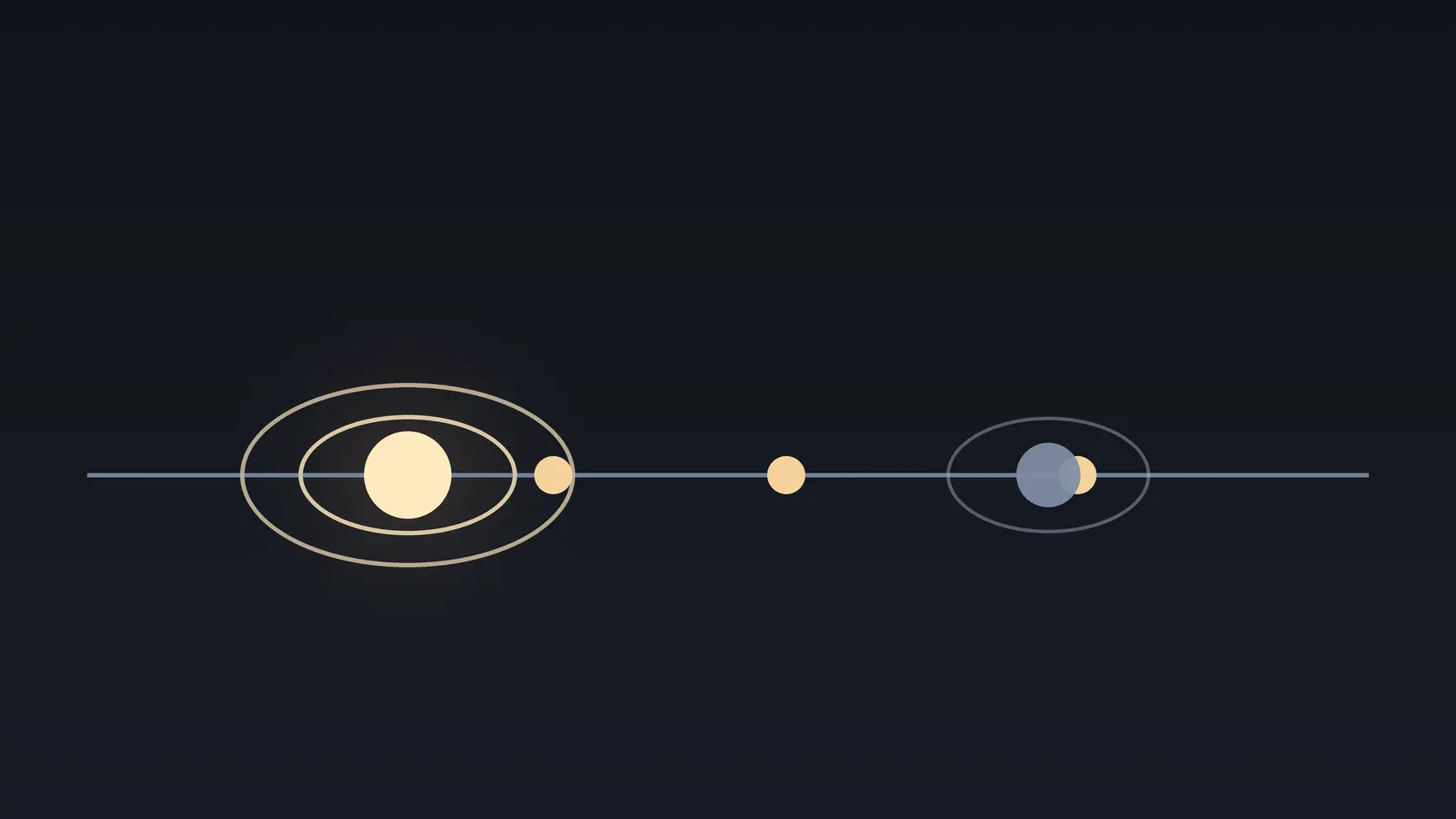
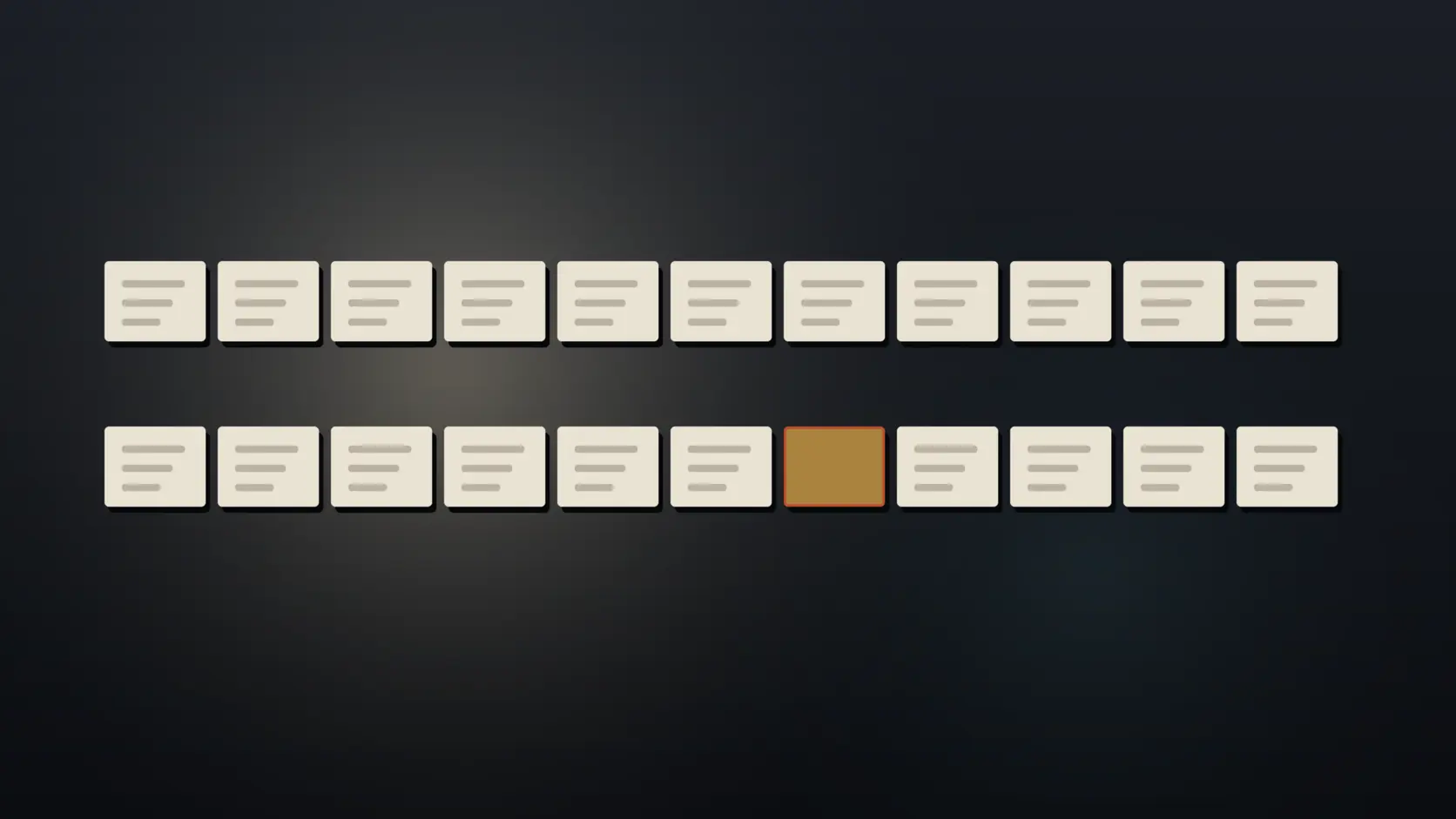
AS_TRANS is the clever part. When a router that understands four-octet numbers has to advertise a path to a router that does not, and the number does not fit in two octets, it writes 23456 in the old attribute and the real numbers in the new one.
Everything above that point sees a path that is syntactically valid and numerically false. The path length is preserved, the session stays up, and the truth travels beside the lie for as long as both attributes survive.
Two versions of one path
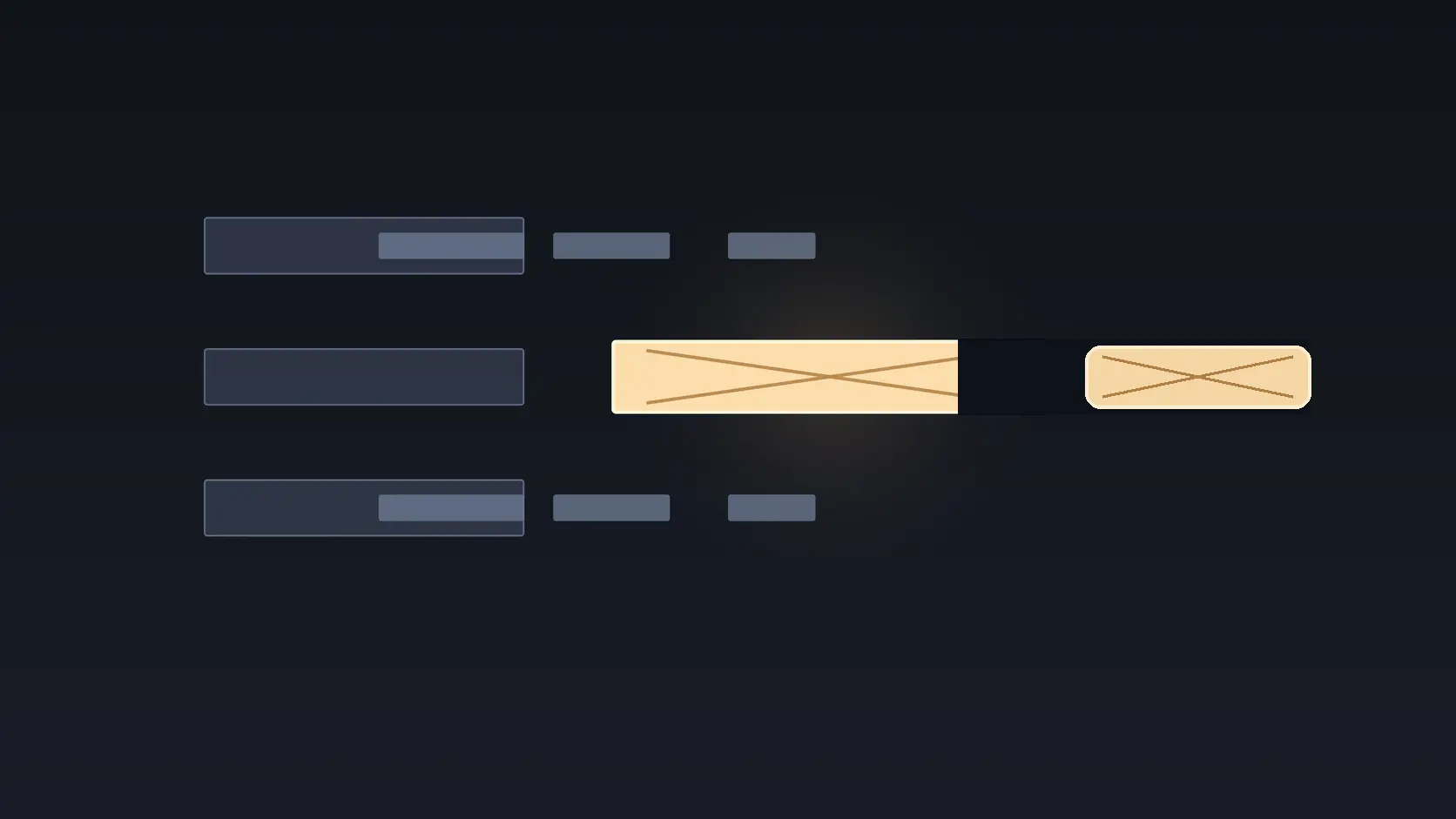
The mechanism is a duplication: AS_PATH remains, AS4_PATH carries what AS_PATH could not express, and §4 specifies how a speaker reconstructs the real path from the pair. The reconstruction has rules about which attributes win, and about what to do when the two disagree.
That is the ordinary shape of a compatibility layer, and it is also a small epistemic problem. During the transition, two routers looking at the same route could hold different beliefs about which networks it crossed.
What a placeholder costs
A placeholder is a promise that the number is not information. Anyone debugging a route an hour after a change has to know that 23456 is not a network but a gap, and has to look at a second attribute to see what happened.
The document's honest solution is to make the gap visible rather than to hide it: the number is reserved, its meaning is defined once, and the reconstruction rules are written down. A polite fiction is still a fiction, but a specified one can be reasoned about.
Member Briefing
Read the full trend briefing
Members read the full briefing with the source notes behind every finding.
Strategic Circle
A daily briefing in your language, built from changes we have verified.
Join for USD 20/monthCancel anytime.
Members also get the full research library, a daily briefing on the networks they follow and the private forum.