Summary
- Applied Digital said on October 2 that a second 75 MW phase at Polaris Forge 1 had reached Ready for Service, taking the campus to 250 MW of reported operational critical IT load against 400 MW contracted at full buildout.
- The addition is a construction and commissioning milestone, not a disclosed revenue figure. Applied Digital’s fiscal quarter ended May 31 reported $44.1 million of base rent and $152.4 million of tenant fit-out services—different revenue streams, recorded on different triggers.
- The next evidence is the rental contribution, tenant-control timing and cost mix for the newer halls. The October release gives no figure for any of them.
Analysis
More capacity, a different question
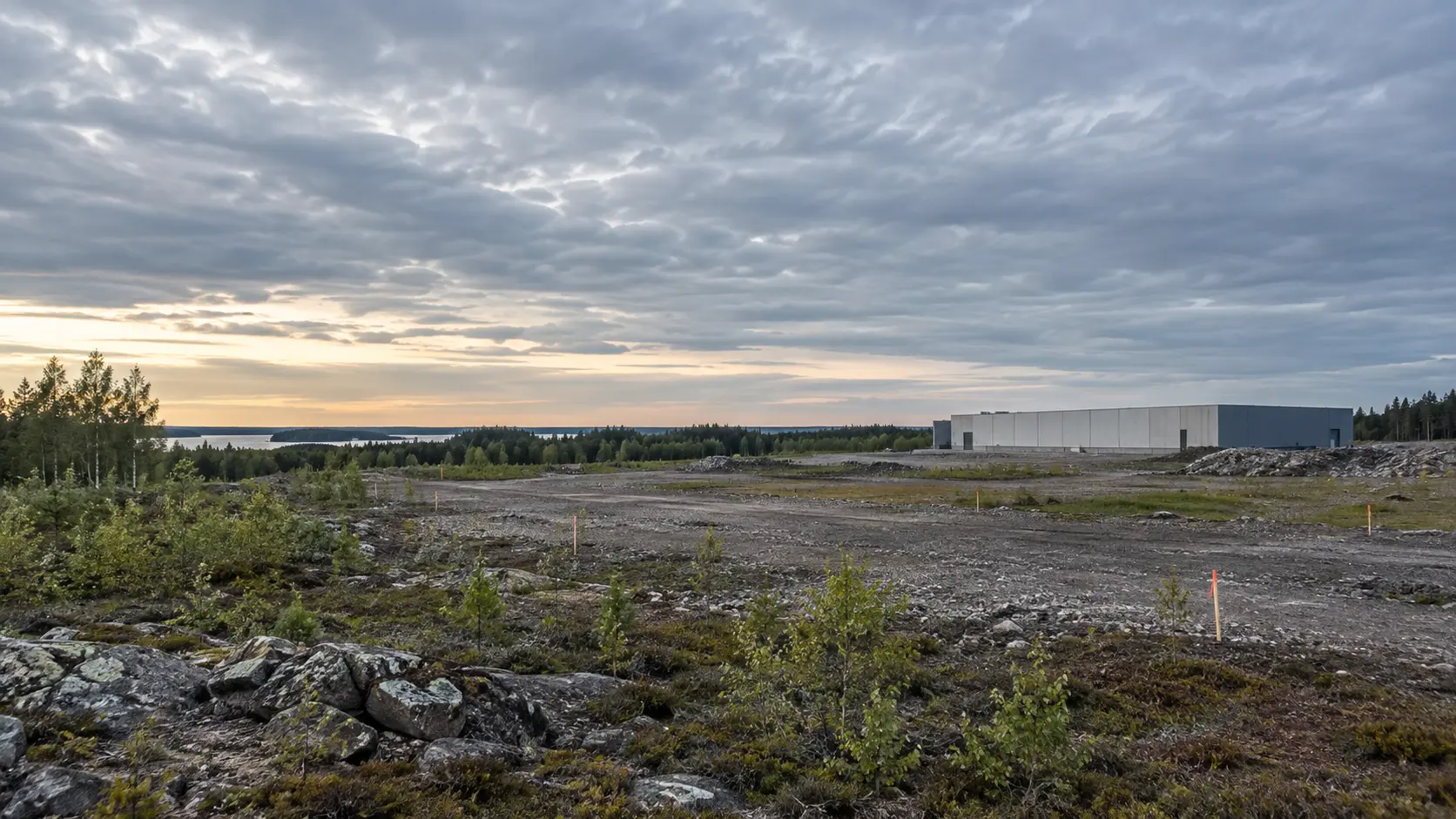
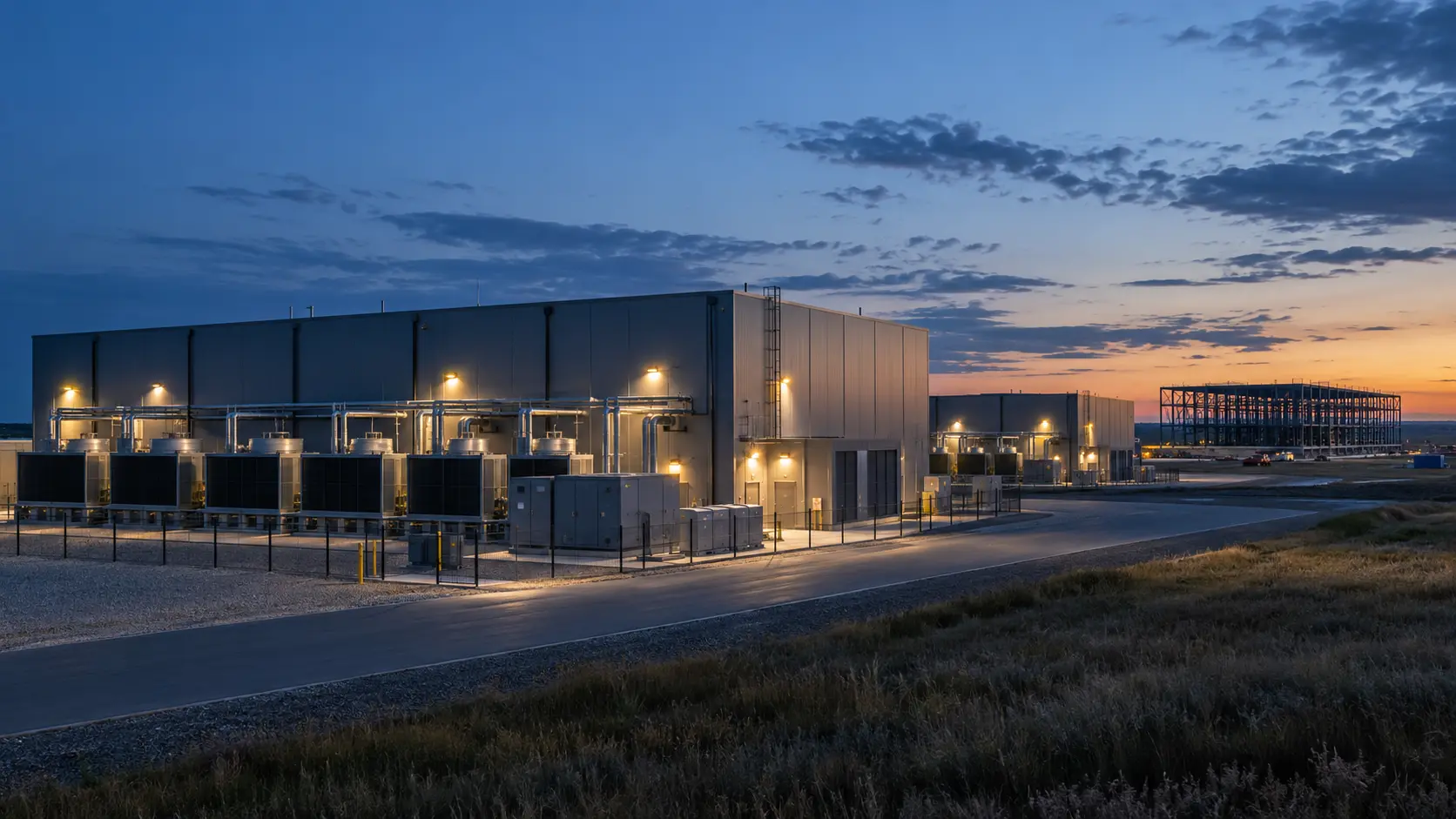
The new 75 MW is meaningful because it converts a piece of a contracted plan into capacity the company calls operational. Applied Digital said the three 25 MW halls complete Building 2’s 150 MW and lift Polaris Forge 1 from the 175 MW reported after a June 30 delivery to 250 MW. On the company’s rounded figures, that is a 75 MW step and about a 43% increase over the prior operating load. The campus is contracted for 400 MW at full buildout, so 150 MW remains outside the announced operational total. Those are critical-IT-load comparisons, not measurements of how much computing a tenant is using.
This update is not a new lease. Applied Digital’s FY2026 filing describes 400 MW under CoreWeave leases at the Ellendale campus, including a separate 150 MW Building 4 expected to be service-ready in 2027 in the filing’s then-current schedule. The October 2 release does not update that schedule or give an incremental contract value. The fresh information is a new delivery step under an existing commercial framework.
The earnings line that matters
Capacity gains are easier to count than their economics. Applied Digital’s fiscal fourth quarter ended May 31—before the June 30 75 MW phase and the October 2 phase—generated $203.0 million of HPC Hosting revenue. The company split that into $44.1 million of base rent, $152.4 million of tenant fit-out services and $6.5 million of tenant recoveries. The largest line was not rent. Fit-out work covers procurement and installation of customer equipment; the 10-K says it is recognized as that work is performed and costs are incurred, with costs reimbursed plus a contractual markup.
That mix is not evidence that the newer halls will earn the same amounts. Nor should the quarter’s revenue be divided by 100, 175 or 250 MW to create a rent-per-megawatt run rate: its period predates both reported 75 MW additions, and the service line is not equivalent to a recurring lease. The useful comparison will be later periods that separate base rent from fit-out services and identify the operating dates behind the changes.
The 10-K describes rental revenue recognition as beginning when a property is ready for the tenant’s intended use and the tenant takes possession or controls its physical use. Ready for Service is therefore an important milestone, but the October announcement does not quantify the date or amount of rent recognized for this phase. The company may already have cleared the relevant operational steps; the point is that readers need the subsequent financial disclosure to see their effect.
The milestone improves evidence of delivery capability. The remaining valuation question is more exacting: can each completed tranche produce durable lease revenue after customer handover, while construction and fit-out costs remain contained? The next earnings report should make that conversion easier to test.
Sources
Member Briefing
Deeper Profile Context
Sign in with the right membership level to unlock the full briefing and source notes.
Only for Strategic Circle
Strategic Circle
Open to all readers. Unlock profile briefings after joining and signing in.
Join Strategic CircleOnly for Leadership Alliance
Leadership Alliance
For qualified IP-asset owners and management; sign in to unlock alliance briefings.
Join Leadership Alliance