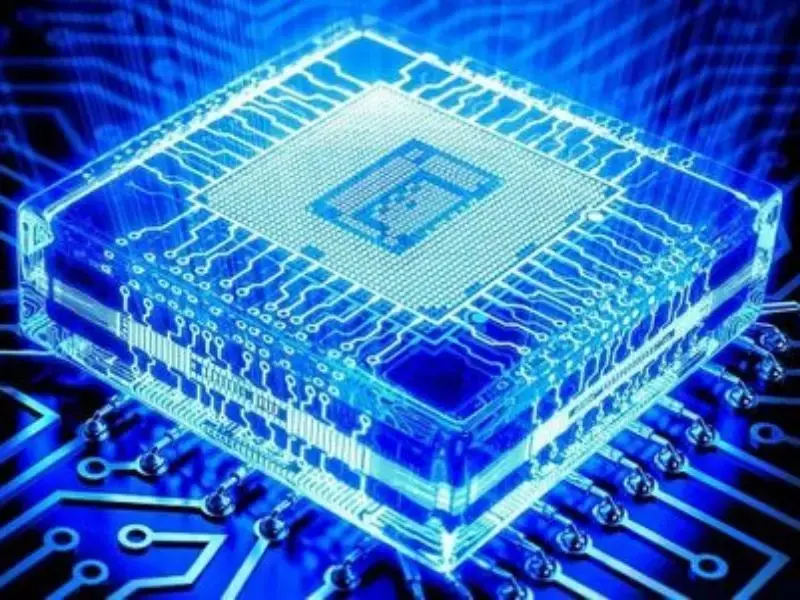
- Firmware serves as the crucial link between a device’s hardware and software, playing an indispensable role across a myriad of electronic devices. It is the initial software that executes upon powering up, performing essential diagnostic checks and initialising system components.
- As a persistent force, firmware continues to operate in the background, ensuring the seamless functioning of hardware and enabling the software to run effectively throughout the device’s lifecycle.
Firmware types encompass a wide array of specialised software designed to cater to the unique operational requirements of the devices they power. From the BIOS that initiates a computer’s boot process to the embedded systems guiding the operation of household appliances, each firmware variant is meticulously crafted to deliver specific initialisation, control mechanisms, and security features. Recognising the distinct types of firmware not only deepens our understanding of device functionality but also empowers us to make educated choices regarding device management.
1. BIOS (Basic Input/Output System)
The BIOS is perhaps the most well-known firmware type, found in traditional PCs and laptops. It initialises and tests the system hardware components during the boot process and provides runtime services for the operating system and programs.
Also read: Firmware vs. Software: The hidden forces behind your tech
2. UEFI (Unified Extensible Firmware Interface)
UEFI is a modern replacement for BIOS, offering improved boot speed, security features like Secure Boot, and the ability to boot from larger hard drives. It’s designed to be more flexible and extensible than traditional BIOS.
3. FTPM (Firmware Trusted Platform Module)
As we discussed in previous posts, fTPM is a software implementation of the Trusted Platform Module, which provides secure storage for cryptographic keys, secure boot capabilities, and other security-related functions.
4. BMC (Baseboard Management Controller) firmware
BMC firmware is found in servers and other enterprise-level systems, providing out-of-band management capabilities. This allows administrators to monitor and control the system even when the operating system is not active.
5. EC (Embedded Controller) firmware
EC firmware is crucial for laptops and desktops, managing tasks like keyboard scanning, fan control, and power management. This low-level firmware ensures smooth device operation and user experience.
6. TPM (Trusted Platform Module) firmware
A dedicated chip that provides a secure environment for cryptographic operations, the TPM firmware is used for tasks such as secure boot, disk encryption, and the generation and storage of cryptographic keys.
Also read: Firmware uncovered: Is it hardware, software, or both?
7. Router firmware
Routers have their own firmware, which manages network traffic and provides features like firewalls, VPNs, and network management tools. Popular open-source router firmware includes DD-WRT and OpenWrt.
8. IoT Device firmware
With the rise of the Internet of Things, firmware for IoT devices is becoming increasingly common. This firmware is designed to handle the specific tasks and communication protocols of the device.
9. Embedded firmware
Embedded firmware, present in various devices like washing machines and medical equipment, plays a pivotal role in device functionality. This specialised firmware is tailored to control and manage device operations effectively. Its versatility spans across different industries, ensuring seamless and reliable performance.