
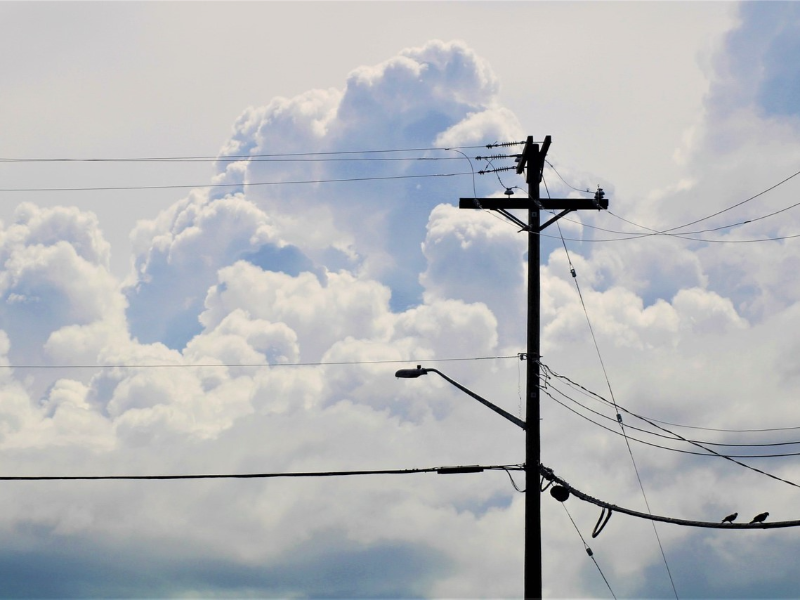
- Horizontal power distribution decentralises electricity delivery, enhancing efficiency and reliability.
- Advanced technologies and renewable energy sources optimise horizontal distribution.
The horizontal distribution of power is a pivotal aspect of contemporary electrical grids, aiming to enhance the efficiency and reliability of electricity delivery. Unlike traditional vertical distribution systems that centralise power delivery, horizontal distribution decentralises the process, spreading the network across a wider area. This method reduces energy losses and improves grid stability. In this blog, we delve into what horizontal distribution of power entails and explore the advancements that are shaping its future.
What is horizontal distribution of power systems?
1. Decentralised delivery: Horizontal distribution involves distributing electricity from multiple sources across a wide area, rather than relying on a centralised hub. This decentralisation reduces the distance electricity must travel, minimising energy losses. By having several points of power generation and delivery, the grid can better balance loads and efficiently manage fluctuations in demand.
2. Improved grid stability: A significant benefit of horizontal distribution is enhanced grid stability. With multiple pathways for electricity flow, the system becomes more resilient to disruptions. This decentralised approach lowers the risk of widespread outages caused by single points of failure, ensuring a more reliable supply of electricity to consumers. Additionally, horizontal distribution facilitates the integration of renewable energy sources, which can be distributed more evenly across the grid.
Also read: Structured cabling: Infrastructure for data, voice, and video
Also read: A detailed guide to 5 AR app development tools
Technological advancements and benefits
1. Smart grid integration: The implementation of smart grid technologies has greatly improved the efficiency and reliability of horizontal power distribution. Smart grids use digital communication tools to monitor and manage electricity flow in real-time, allowing for more precise control and quicker responses to issues. These technologies optimise energy distribution, reduce waste, and enhance overall grid performance. Advanced sensors and automation systems are crucial for detecting faults and managing loads, further boosting the efficiency of horizontal distribution networks.
2. Renewable energy integration: Horizontal distribution systems are ideally suited for incorporating renewable energy sources such as solar and wind power. These sources are often distributed across wide areas, and a horizontal distribution network can efficiently manage and balance their variable outputs. By integrating renewable energy into the grid, horizontal distribution supports the transition to a more sustainable and eco-friendly energy system. This integration not only reduces reliance on fossil fuels but also enhances grid resilience by diversifying the energy supply.
3. Energy storage solutions: The incorporation of advanced energy storage solutions, such as batteries and pumped hydro storage, is another significant advancement in horizontal power distribution. These storage systems allow excess energy to be stored during periods of low demand and released when demand is high. This capability helps to balance the grid and ensures a consistent supply of electricity, even when renewable energy sources are not producing power.
4. Microgrid development: Microgrids are small-scale, localised power grids that can operate independently or in conjunction with the main grid. The development of microgrids enhances the flexibility and resilience of horizontal power distribution systems. Microgrids can quickly respond to local energy needs and disruptions, providing a reliable power supply in remote or underserved areas. This localised approach further decentralises power distribution and supports the integration of renewable energy sources.