

- A decentralized internet distributes control and data across multiple nodes, empowering users and reducing reliance on centralized entities.
- Key features include user ownership of data, interoperability, resilience, and censorship resistance, essential for addressing privacy and monopoly concerns.
What is a decentralized internet?
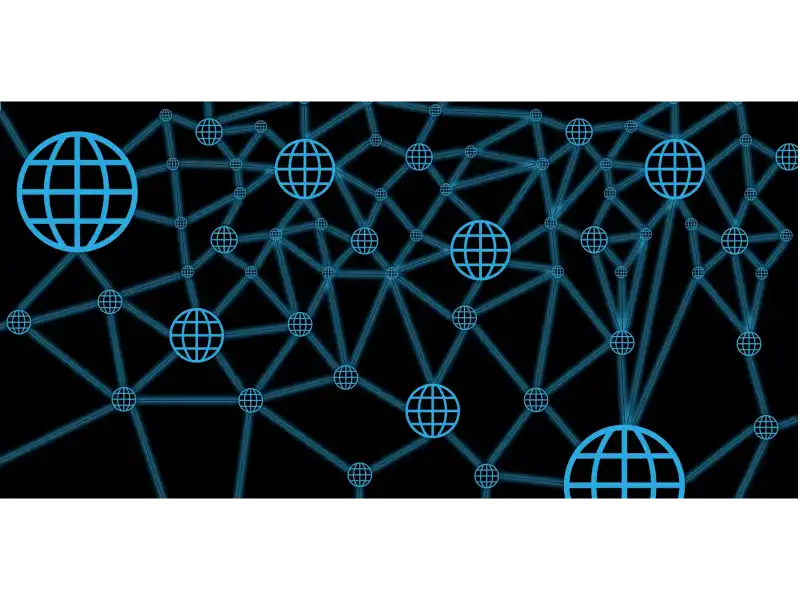
A decentralized internet refers to a network structure that distributes control and data across multiple nodes rather than relying on a few centralized servers or entities. This model aims to empower users by giving them more control over their data and online experiences, reducing reliance on major corporations that dominate the current internet landscape.
Key features of a decentralized internet
- User ownership: In a decentralized internet, users have ownership of their data. This ownership allows individuals to control how their information is shared and used, addressing growing privacy concerns.
- Interoperability: Decentralized networks prioritize interoperability, allowing different platforms and services to communicate seamlessly. This feature enhances user experience and promotes innovation across the ecosystem.
- Resilience: A decentralized structure is more resilient to failures and attacks. Since data is distributed across multiple nodes, the network can continue to function even if individual servers go down.
- Censorship resistance: Decentralization provides a robust defense against censorship. Users can communicate and share information without fear of interference from centralized authorities or corporations.
Also read: ACM CoNEXT-2024 workshop tackles Internet Decentralization
Also read: Power and internet resilience: Key to keeping connectivity alive
The need for decentralization
The increasing centralization of internet services has led to several pressing issues:
1. Data privacy concerns
As major platforms collect vast amounts of user data, concerns about how this information is used and safeguarded have intensified. Data breaches and misuse have highlighted the vulnerability of centralized systems, prompting calls for more secure alternatives.
2. Platform monopolies
A few tech giants dominate the current internet landscape, leading to a lack of competition and innovation. This dominance stifles creativity and can result in poor user experiences, as there are fewer alternatives available.
3. Censorship and control
Centralized platforms have the power to censor content, often based on their policies or external pressures. This control can limit free speech and access to information, raising ethical questions about the role of corporations in shaping online discourse.
Solutions for a decentralized internet
The ACM CoNEXT-2024 workshop explored various solutions aimed at promoting decentralization:
1. User-Owned identities
One of the critical solutions discussed was the concept of user-owned identities. This approach allows individuals to manage their online identities without relying on centralized platforms. By enabling users to control their profiles and data, we can enhance privacy and security while fostering trust in online interactions.
2. Platform-Independent DNS names
The use of platform-independent DNS names is another solution that can aid decentralization. This innovation allows users to access services without being tied to specific platforms, promoting a more open and flexible internet experience.
3. Direct User-to-User communication
Encouraging direct user-to-user communication is crucial for a decentralized internet. This approach minimizes the need for intermediaries, allowing users to connect and share information more freely and securely.

The role of technology in decentralization
Emerging technologies play a vital role in enabling a decentralized internet. Key innovations include:
1. Blockchain technology
Blockchain technology offers a decentralized ledger system that can enhance transparency and security. By allowing users to store and manage their data on a distributed network, blockchain can mitigate risks associated with centralized data storage.
2. Peer-to-Peer networks
Peer-to-peer (P2P) networks facilitate direct connections between users, enabling the sharing of resources and information without the need for centralized servers. This model can enhance speed and efficiency while reducing reliance on large corporations.
3. Decentralized applications (dApps)
Decentralized applications (dApps) run on a blockchain or P2P network, offering users greater control over their interactions. These applications are designed to operate without central authority, providing a more democratic online experience.
Challenges to achieving decentralization
While the benefits of a decentralized internet are clear, several challenges need to be addressed:
1. Technical complexity
Implementing decentralized solutions can be technically complex, requiring significant changes to existing infrastructure and protocols. This complexity may deter some organizations from adopting decentralized technologies.
2. User adoption
For a decentralized internet to thrive, users must be willing to adopt new technologies and practices. Education and awareness campaigns are essential to inform users about the benefits of decentralization and how to navigate this new landscape.
3. Regulatory hurdles
Regulatory frameworks have not kept pace with technological advancements, posing challenges for decentralized solutions. Policymakers must develop regulations that support innovation while protecting users’ rights and privacy.
The Future of the decentralized internet
The movement towards a decentralized internet is gaining momentum, driven by the desire for greater user autonomy, privacy, and security. As discussions at events like ACM CoNEXT-2024 highlight, there is a growing recognition of the need for change.
1. Collaboration across disciplines
The transition to a decentralized internet will require collaboration among technologists, policymakers, and civil society. By working together, stakeholders can develop solutions that promote an open and inclusive internet.
2. Continuous innovation
Innovation will play a crucial role in shaping the future of the decentralized internet. As new technologies emerge, they will provide opportunities to create more user-centric services that prioritize privacy and security.
The path forward for a decentralized internet
The decentralized internet represents a transformative shift in how we connect, communicate, and share information online. By addressing the challenges posed by centralization and exploring technology services, we can create a more equitable and democratic digital landscape. As we move forward, it is essential to foster discussions and collaborations that promote decentralization, ensuring that the internet remains a space for creativity, freedom, and empowerment.