
Institution Profiling / Internet infrastructure institution

What is biometric voice recognition and how does it work?

What is biometric voice recognition and how does it work? is tracked as a internet infrastructure institution within the internet infrastructure ecosystem.

What is biometric voice recognition and how does it work?
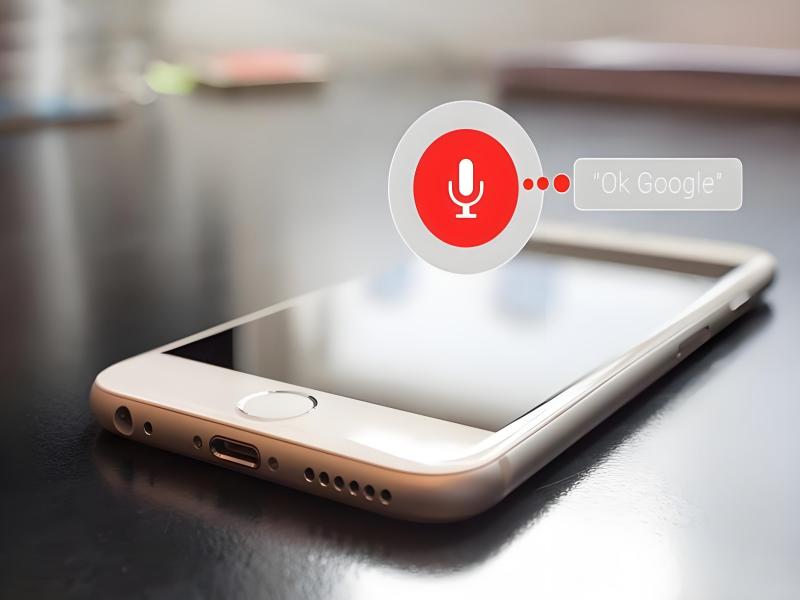
Caption: What is biometric voice recognition and how does it work? visual context for BTW intelligence coverage. · Source context: Existing article media was retained or restored as the subject-specific visual basis. · Relevance reason: What is biometric voice recognition and how does it work? is the primary subject or event subject; the image supports the article's market reading. · Image provenance: Existing curated article image retained because it is subject- or event-specific and not a generic pool placeholder.

Sources

Public references used for this article.

External references will appear here after editorial citation review.

CategoryInstitution

What is biometric voice recognition and how does it work? is tracked as a internet infrastructure institution within the internet infrastructure ecosystem.

RegionGlobal

What is biometric voice recognition and how does it work? has public-source relevance to network operations, governance, dependency mapping, or market structure.

Signal FocusInternet infrastructure institution

What is biometric voice recognition and how does it work? has public-source relevance to network operations, governance, dependency mapping, or market structure.

Content TypeProfile

What is biometric voice recognition and how does it work? is tracked as a internet infrastructure institution within the internet infrastructure ecosystem.

Primary DomainSecurity

Public-source signals support medium-impact monitoring for infrastructure visibility and dependency analysis.

TopicInternet infrastructure institution

What is biometric voice recognition and how does it work? is profiled by BTW Media because published evidence links it to internet infrastructure, governance, operational dependencies, or market visibility.

ImpactMedium

Public-source signals support medium-impact monitoring for infrastructure visibility and dependency analysis.

Confidence?Confidence Grade
0.90–1.00AHigh — direct sources
0.75–0.89A/BStrong
0.55–0.74B/CMedium
0.35–0.54C/DWeak–medium
0.10–0.34DWeak signal
0.00–0.09DInternal monitoring
Limited confidence (72%)

Several public sources

What is biometric voice recognition and how does it work? is profiled by BTW Media because published evidence links it to internet infrastructure, governance, operational dependencies, or market visibility.

  • Biometric voice recognition is a sophisticated technology that analyses and identifies an individual based on their distinct vocal patterns and characteristics.
  • Biometric voice recognition is poised to play a crucial role in shaping the future of secure and seamless authentication processes.

Biometric voice recognition is a powerful tool in the field of identity verification, offering a secure and user-friendly alternative to traditional authentication methods. As technology continues to advance, the accuracy and reliability of voice biometrics are expected to improve, making it an increasingly attractive option for a wide range of applications. Whether for security, customer service, or personal use, biometric voice recognition is poised to play a significant role in the future of identity management.

Understanding biometric voice recognition

Biometric voice recognition, also known as voice biometrics, is a type of biometric identification technology that analyses and measures the unique characteristics of a person’s voice to verify their identity. It operates on the principle that each individual’s voice has distinct patterns, much like fingerprints or facial features.

Biometric voice recognition initiates with collecting a voice sample, typically a phrase or words spoken by the individual. The system then meticulously extracts distinctive voice features, including pitch, tone, rhythm, and speech patterns, to craft a unique voiceprint. This digital voice signature is subsequently stored and used to authenticate the person’s identity by comparing it against new voice samples provided during the verification process.

Also read: Hacking in voice recognition tech

Also read: How biometric profiling means we all see things slightly differently online

How biometric voice recognition works

Enrollment: During the enrollment phase, individuals provide a voice sample that is used to create their unique voiceprint. This voice sample is captured by the system and analysed to extract distinctive vocal features, such as pitch, tone, and speech patterns, which are then used to generate a digital representation of the individual’s voiceprint.

Voiceprint storage: Once created, the voiceprint is securely stored in a database for future reference. This storage process is essential to ensure that the system has access to the user’s reference voiceprint for comparison during authentication. Voiceprints are encrypted and safeguarded to protect sensitive biometric data from unauthorised access.

Authentication: During the authentication process, users are required to provide a live voice sample for verification. This live voice sample is captured by the system in real-time and compared against the stored voiceprint in the database. Advanced algorithms analyse the vocal characteristics of the live voice sample and compare them with the reference voiceprint to determine a match.

Decision making: Based on the comparison results, the system makes a decision regarding the user’s identity and authentication status. If the live voice sample closely matches the stored voiceprint within an acceptable margin of error, the system grants access to the user. In cases where the match is not definitive, access may be denied, and additional verification measures may be required.

The importance of biometric voice recognition

Non-invasive and convenient: Biometric voice recognition is non-invasive and easy to use, requiring minimal user effort compared to other biometric methods.

User-friendly: It offers a user-friendly experience, as speaking is a natural and intuitive action for most individuals.

Continuous authentication: Unlike other biometric methods that may require physical contact or specific positioning, voice recognition can be done continuously and at a distance.

Accessibility: It is accessible to individuals with disabilities, as it does not rely on physical attributes that may be compromised.

At A Glance

  • Name: What is biometric voice recognition and how does it work?
  • Type: Internet infrastructure institution
  • Base: Global
  • Profile focus: Institution

What It Does

  • Public records support monitoring of its role, services, and key relationships.

Why It Matters

  • Public-source signals support medium-impact monitoring for infrastructure visibility and dependency analysis.
  • Operational criticality: Medium
  • Time horizon: Next quarter

What To Watch

  • Monitoring focuses on verified service continuity, governance changes, and relationship signals.
NowMedium priority

Track verified source updates, role changes, and current public evidence.

QuarterMedium policy sensitivity

Public-source signals support medium-impact monitoring for infrastructure visibility and dependency analysis.

YearNext quarter outlook

Longer-term relevance depends on verified operating, policy, and relationship changes.

Member Briefing

Deeper Profile Context

Login is required to unlock the full profile briefing and source notes.

Only for Strategy Circle

Strategic Circle Access

Open to all readers. Unlock profile briefings after joining and logging in.

Join Strategic Circle

Only for Leadership Alliance

Leadership Alliance Access

For owners and management of IP-holding companies. Login required to unlock.

Join Leadership Alliance
← BackAll Companies